
Overcoming Language Barriers with Japan Real Estate Agents


Learn how to overcome language barriers when working with real estate agents in Japan. Bilingual agent tips, English platforms, contract translation advice, and cultural insights for foreigners.
Overcoming Language Barriers with Japan Real Estate Agents: A Complete Guide for Foreigners
Buying or renting property in Japan as a foreigner is an exciting prospect — but it comes with a significant practical challenge: the language barrier. Almost every part of Japan's real estate process happens in Japanese. Listings, contracts, agent conversations, mortgage applications, and building management documents are written and conducted entirely in Japanese, with complex terminology that even fluent speakers can find daunting.
The good news is that solutions exist. From bilingual real estate agents to specialized English-language platforms, foreigners today have more tools than ever to navigate Japan's property market confidently. This guide explains the most common language-related obstacles you'll face and, more importantly, exactly how to overcome them.

Why the Language Barrier in Japan Real Estate Is a Serious Challenge
Japan's real estate industry operates almost exclusively in Japanese. Unlike some markets that have adapted to international buyers, Japan's domestic property infrastructure was built for Japanese speakers and has been slow to localize for foreign clients.
Here are the key areas where the language barrier creates friction:
- Property listings: Most properties are listed exclusively on Japanese-language portals like SUUMO, HOMES, and at-home. Without reading ability, you'll miss the majority of available inventory.
- Agent communication: Many traditional real estate agents speak little to no English. Miscommunication during property searches or negotiations can lead to wasted time or costly misunderstandings.
- Contracts: Japanese rental and purchase contracts run 20–40 pages and are packed with legal terminology. Signing without fully understanding the terms is a genuine risk.
- Mortgage interviews: When applying for a home loan through a Japanese bank, third-party translators are often not permitted during the formal interview — meaning you must communicate directly in Japanese.
- Building management: Repair histories, owners' association meeting minutes, and maintenance records are almost always in Japanese, making it difficult to evaluate property condition and management quality.
Foreign residents in Japan have reached a record 3.7 million — nearly 3% of the total population — and demand for foreigner-friendly real estate services is growing. Yet the structural language challenges remain significant for most buyers and renters.
How to Find a Bilingual Real Estate Agent in Japan
The single most effective solution to the language barrier is working with a bilingual real estate agent. A skilled bilingual agent does much more than translate — they act as a cultural interpreter, explaining Japanese customs around deposits, guarantors, and negotiation etiquette that are completely different from Western norms.
Where to Find English-Speaking Agents
Several platforms specialize in connecting foreigners with English-speaking real estate professionals:
- Real Estate Japan (realestate.co.jp): One of the largest English-language platforms for both rentals and purchases, with verified bilingual agents across major cities.
- GaijinPot Housing: Specifically designed for foreign residents, with English-speaking agents and properties pre-screened to accept foreign applicants.
- PLAZA HOMES: A Tokyo-based agency offering full English support for both sales and rentals, with bilingual staff who can provide detailed property explanations.
- Expat communities: Facebook groups, Reddit's r/JapanFinance, and platforms like InterNations are excellent sources for personal referrals to trusted bilingual agents.
What to Look For in a Bilingual Agent
Not all "bilingual" agents offer the same level of support. When evaluating an agent, ask:
- Do you provide English translations of contracts, or just verbal summaries?
- Have you worked with clients from my country before?
- Are you familiar with the property purchase process for non-residents?
- Do you have connections with mortgage brokers who work with foreigners?
Also verify that the agent or their agency is a member of RECAJ (Real Estate Companies Association of Japan), which ensures professional accountability and adherence to Japanese real estate regulations.
For a broader overview of the buying process, see our step-by-step home buying guide for foreigners in Japan.
English-Language Real Estate Platforms and Tools
Beyond individual agents, several platforms have been built specifically to help foreigners navigate Japanese real estate without needing to read Japanese.
Top Platforms for English-Speaking Property Seekers
| Platform | Languages Supported | Best For | Key Feature |
|---|---|---|---|
| Best-Estate.jp | 7 languages (English, Chinese, Korean, Vietnamese, Portuguese, Nepali, Burmese) | Rentals | Largest foreign-oriented rental database |
| wagaya Japan | English | Rentals & buying | Entire process online in English |
| PLAZA HOMES | English, Chinese | Tokyo sales & rentals | Full English staff support |
| Real Estate Japan | English | Nationwide sales | English-language listings and agents |
| GaijinPot Housing | English | Rentals | Pre-screened foreigner-friendly properties |
These platforms solve multiple problems at once. They filter listings to only show properties that accept foreign residents (a major pain point, since many landlords in Japan still decline foreign applicants), provide English-language explanations of terms and contracts, and often offer alternative guarantor options to replace the traditional Japanese guarantor requirement.
For more information about English-friendly property websites and services, see this comprehensive guide on gaijinbuyhouse.com.
Understanding Japanese Real Estate Contracts in English
The Japanese real estate contract (重要事項説明書, jūyō jikō setsumeisho, or "important matters explanation document") is one of the most critical documents in any property transaction. By law, this document must be explained to you by a licensed real estate agent before you sign.
What the Contract Covers
The important matters explanation document includes:
- Legal status of the property (zoning, building code compliance)
- Details of any encumbrances or liens
- Usage restrictions
- Terms for deposit (敷金, shikikin) and key money (礼金, reikin)
- Conditions for cancellation and early termination
- Rules regarding renovations or subletting
Getting a Proper Translation
Even if you work with a bilingual agent, insist on receiving a written English translation of all key contract documents — not just a verbal summary. Verbal explanations can be misunderstood or forgotten, and you'll want a reference document to review at your own pace.
If your agent cannot provide a written translation, you have several options:
- Hire a certified translation service in Japan (typically ¥5,000–¥15,000 per document)
- Use Osaka Language Solutions or similar bilingual legal services to review contracts
- Request a delay in signing to allow time for independent translation review
Never sign a Japanese real estate contract under time pressure without understanding the key terms. Legitimate agents and landlords will respect a request for additional time to review documents.
Learn more about the legal documentation required for property purchase in our legal procedures and documentation guide.
Cultural Barriers Beyond Language
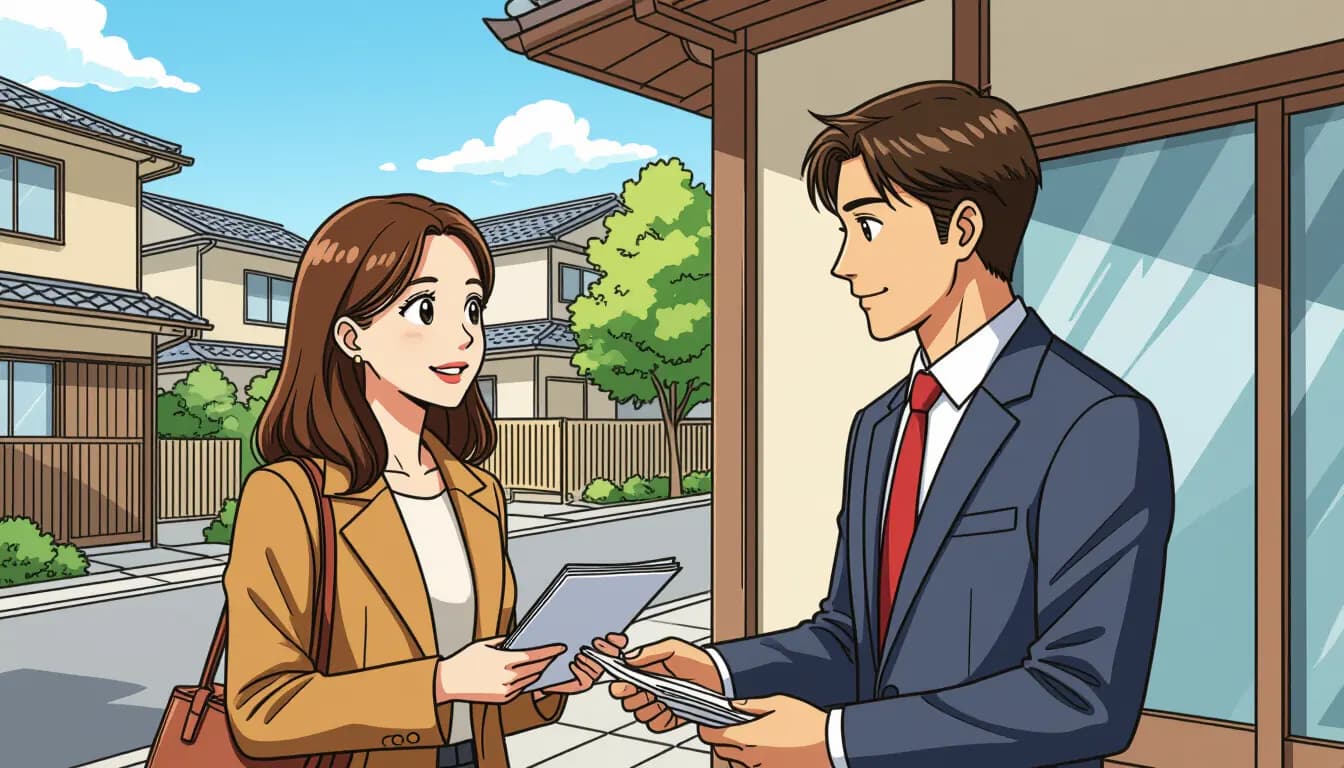
Language is not the only barrier foreigners face. Japanese real estate culture has a set of unwritten rules and customs that differ significantly from Western norms — and misunderstanding them can cost you a deal or damage your relationship with an agent or landlord.
Key Cultural Differences to Understand
Indirect communication: Japanese business culture values indirectness and harmony. A landlord who says "it might be difficult" likely means "no." An agent who seems hesitant is probably signaling that your request is unreasonable in the local context.
Relationship-building: Japanese agents often want to spend time understanding your needs before diving into property viewings. Rushing this process can come across as disrespectful.
Negotiation norms: Unlike in many Western countries, aggressive price negotiation is uncommon in Japanese real estate. Large discounts are rarely offered, and pushing too hard can cause a seller or landlord to withdraw entirely.
Punctuality and formality: Property viewings and meetings should be treated with the same formality as a business meeting. Arriving on time, dressing appropriately, and bringing business cards (if you have them) demonstrates respect.
The guarantor system: Traditionally, all renters in Japan required a Japanese citizen as a personal guarantor. While this system is changing — with corporate guarantor companies now widely accepted — understanding and navigating it remains a common challenge for foreigners.
For an overview of how the full housing search process works, Living in Nihon has a detailed complete guide to finding housing in Japan for foreigners.
Cost of Bilingual Real Estate Services
Using English-language real estate services in Japan may involve additional costs compared to working through standard Japanese channels. Understanding these costs upfront helps you budget appropriately.
Typical Costs
| Service | Estimated Cost |
|---|---|
| Bilingual real estate agent (standard commission) | 1 month's rent or 3% of sale price (standard) |
| Premium bilingual service surcharge | ¥50,000–¥150,000 (approx. $350–$1,000) |
| Professional contract translation | ¥5,000–¥15,000 per document |
| Legal review of purchase contract | ¥30,000–¥80,000 |
| Certified interpreter for mortgage interview | ¥10,000–¥30,000 per hour |
In many cases, the premium for working with a truly capable bilingual agent is worth it — a misunderstood contract clause or failed mortgage application costs far more than the service fee. Additionally, some of the major English-language platforms listed above provide bilingual support as a standard part of their service at no additional charge.
It's also worth noting that Japan does not restrict foreign ownership of land or property — a rarity in Asia. The practical friction comes not from legal restrictions but from process complexity and language barriers, which skilled bilingual professionals can significantly reduce. See our guide on legal rights for foreigners buying property in Japan for more.
Practical Tips for Working with Japanese Real Estate Agents
Whether your agent speaks English or not, there are steps you can take to make the process smoother.
Before the Meeting
- Prepare a written list of your requirements in both English and Japanese (many online translation tools are sufficient for this)
- Know your budget precisely and be prepared to state it clearly in yen
- Bring your residence card (在留カード), passport, and any proof of income or employment
- Research the neighborhoods you're interested in and know the train lines you're willing to use
During the Meeting
- Use translation apps like Google Translate's camera function to read documents in real time
- Ask for all important points to be written down, not just spoken
- If the agent doesn't speak English, consider bringing a bilingual friend or using a remote interpreter service
Online Tools That Help
- Google Translate (camera mode): Instantly translates printed Japanese text using your phone camera
- DeepL: Significantly better than Google Translate for formal and legal Japanese
- LINE: Japan's dominant messaging app — many agents will communicate via LINE, and you can use in-app translation
For advice on working with agents in specific cities, see our area guides for Tokyo, Osaka, and Fukuoka.
Recommended Resources for English-Speaking Property Seekers
Here is a curated list of resources to help you navigate Japan's real estate market as an English speaker:
- Living in Nihon – Housing Guide for Foreigners: Comprehensive guide covering rental search methods through contract procedures for foreigners in Japan.
- For Work in Japan – Housing and Living Infrastructure Guide: Covers housing and daily infrastructure needs for foreign residents working in Japan.
- Gaijin Buy House – English Property Websites for Japan: Overview of English-friendly real estate platforms and services for foreigners in Japan.
- GaijinPot – How to Find Good Real Estate Agents in Japan: Practical tips on finding and working with English-speaking agents.
- Old Houses Japan – Working with Japanese Real Estate Agents: In-depth guide on agent relationships, cultural nuances, and preparation steps.
- MailMate – English-Speaking Real Estate Companies in Japan: Updated list of English-friendly real estate companies across Japan's major cities.
Conclusion
The language barrier in Japan's real estate market is real — but it is not insurmountable. With the right bilingual agent, English-language platforms, and preparation, foreigners successfully buy and rent property in Japan every day.
The key strategies are: find a genuinely bilingual agent (not just one who claims to speak "some English"), use specialized English-language platforms that filter for foreigner-friendly listings, insist on written contract translations before signing, and take time to understand the cultural norms that shape how Japanese real estate transactions work.
Japan is one of the few countries in Asia that places no legal restrictions on foreign property ownership. The practical barriers are language and process complexity — and with the resources available today, those barriers are more manageable than ever.
Ready to start your property search? Explore our complete guide to buying property in Japan as a foreigner for the full picture.

Originally from Vietnam, living in Japan for 16+ years. Graduated from Nagoya University, with 11 years of professional experience at Japanese and international companies. Sharing information about buying property in Japan for foreigners.
View Profile →Related Articles
Real Estate Agents Specialized in Investment Property in Japan
Find the best real estate agents specialized in investment property in Japan. Learn how to evaluate agents, understand fee structures, compare top agencies, and avoid costly mistakes as a foreign investor.
Read more →
Buying Japan Property Directly Without an Agent: Is It Possible?
Can you buy property in Japan directly without a real estate agent? Learn what's legally possible, where it works, how much you save on commission, and the real risks foreigners face when going it alone.
Read more →
Top Foreigner-Friendly Real Estate Companies in Japan
Find the best foreigner-friendly real estate companies in Japan. Compare English-speaking agencies like Blackship Realty, Real Estate Japan, Mitsui Fudosan, and more to buy property as a foreigner.
Read more →
Types of Real Estate Agency Contracts in Japan
Learn the 3 types of real estate agency contracts in Japan (ippan, sennin, senzoku sennin baikai). Understand REINS, commission fees, enclosure risk, and which contract is right for foreign buyers and sellers.
Read more →
Negotiation Tips When Working with Japan Real Estate Agents
Learn how to negotiate property prices with Japanese real estate agents as a foreigner. Discover timing strategies, cultural tips, and how to get the best deal in Japan's property market.
Read more →
Red Flags and Scams to Watch For with Japan Real Estate Agents
Discover the most common red flags and scams targeting foreigners in Japan's real estate market. Learn how to verify agents, avoid decoy properties, and protect yourself from fraud.
Read more →