
Negotiation Tips When Working with Japan Real Estate Agents


Learn how to negotiate property prices with Japanese real estate agents as a foreigner. Discover timing strategies, cultural tips, and how to get the best deal in Japan's property market.
Negotiation Tips When Working with Japan Real Estate Agents
Buying property in Japan as a foreigner is an exciting journey, but it comes with its own set of cultural rules and unspoken expectations — especially when it comes to negotiation. Unlike markets in the West where bargaining is open and aggressive, Japanese real estate negotiation is subtle, relationship-driven, and requires a clear understanding of local customs.
This guide walks you through everything you need to know about negotiating effectively when working with Japanese real estate agents, from understanding the culture to knowing exactly when and how to make your offer.
Understanding Japanese Negotiation Culture
In Japan, business culture places a high value on politeness, trust, and indirect communication. Real estate transactions are no different. Aggressive bargaining tactics that might work in other countries can quickly backfire here, damaging your relationship with the agent and making sellers less inclined to deal with you.
Key cultural principles to keep in mind:
- Indirect communication is the norm. Japanese professionals rarely say "no" directly. A vague or non-committal answer often means the offer is not acceptable.
- Face-saving matters. Never put the seller or agent in an uncomfortable public position. All negotiations should be handled professionally and privately.
- Trust is built over time. Agents who trust you will work harder on your behalf. Be respectful, show genuine interest, and treat every interaction as relationship-building.
- Patience is a strategy. Rushing negotiations signals desperation or disrespect. Take your time and let the process unfold naturally.
Understanding these principles puts you in a much stronger position than simply trying to talk the price down.
How Real Estate Offers Work in Japan
One of the biggest differences foreigners notice is that verbal negotiations during property viewings are considered inappropriate in Japan. Instead, the entire offer process happens through formal written documentation.
Here is the typical flow:
- You submit a "Letter of Intent" (買付証明書, kaitsuke shomeisho). This is a non-binding written offer that signals your intent to purchase and opens the negotiation.
- Your agent presents the offer to the seller. The seller and their agent review your offer privately.
- Counter-offers or acceptance are communicated in writing. Back-and-forth negotiation happens through your agent, not face-to-face with the seller.
- A purchase agreement is signed once both parties agree.
This written process protects both sides and keeps communications formal and respectful. Never attempt to negotiate directly with a seller — always work through your agent.
How Much Can You Negotiate on Price?
Many foreigners ask: can you actually negotiate property prices in Japan? The short answer is yes, but expectations must be realistic.
| Situation | Realistic Discount Range |
|---|---|
| Standard used condo (normal market) | 3–5% |
| Property listed for 3+ months | 5–8% |
| Property with structural issues or pre-1981 earthquake standards | 8–15% |
| New construction from developer | Very limited (1–2%) |
| Hot Tokyo/Osaka central market | Often 0–2% |
| Cash purchase in slower market | Up to 10% |
As a general benchmark, requesting a 3–5% discount is considered reasonable and respectful. Asking for 10–15% or more is only acceptable if you have a concrete, documented reason — such as the property requiring major repairs, being located on the first floor, or being far from train stations.
For context, on a ¥51.8M property, a 3–5% reduction means you could negotiate ¥1.5M–¥2.5M off the asking price — a meaningful savings while maintaining a good relationship with all parties.
Timing Your Negotiation for Maximum Leverage
Timing is everything in Japanese real estate. Submitting your offer at the right moment can significantly improve your chances of success.
Best times to negotiate:
- When a property has been listed for 3+ months. Sellers who haven't received offers after 90 days are generally more willing to reconsider their price. This is one of the clearest signals that a negotiation will be welcomed.
- During company fiscal periods (March and September). Real estate agents in Japan are motivated to close deals before financial year-end. This creates additional pressure to finalize transactions, and agents may encourage sellers to accept reasonable offers.
- When the overall market is softening. In areas outside central Tokyo or major urban cores, property markets can slow significantly. Less competition means more leverage for buyers.
- During the submission of your purchase application. The moment you make a formal offer is the most natural and appropriate time to include a price negotiation request.
Avoid trying to negotiate during property viewings or during the initial inquiry stage. Wait until you are ready to make a genuine offer.
Strengthening Your Position as a Foreign Buyer
Foreign buyers face extra scrutiny in the Japanese property market. Sellers and agents may worry about language barriers, complex documentation requirements, or overseas financing. Here is how to demonstrate you are a serious, reliable buyer:
Get mortgage pre-approval before searching. A pre-approval letter from a Japanese bank shows the seller that your financing is secured. This dramatically increases your credibility and removes uncertainty from the transaction.
Cash purchases are king. If you are purchasing with cash (or can present a substantial portion upfront), sellers heavily prefer this. Cash eliminates loan approval risk and allows for faster settlements. A cash offer can justify a larger discount — sometimes up to 10% in less competitive markets.
Offer a higher deposit. The standard deposit in Japan is 10% of the purchase price. Offering 15–20% signals serious commitment and can make your offer stand out, especially in competitive markets where multiple buyers are interested.
Use a bilingual real estate agent. This is not optional for most foreigners. Nuanced negotiation in Japanese is challenging even for intermediate Japanese speakers. A bilingual agent who understands both cultures will advocate on your behalf in exactly the right way. For more on working with agents, see our guide on how to work with Japanese real estate agents as a foreigner.
Prepare all documentation in advance. Have your passport, residence card, proof of income, and proof of funds ready before making an offer. Foreigners with permanent residency have significantly better access to Japanese mortgages, which strengthens their overall position. Learn more in our visa and residency guide for property buyers.
Common Negotiation Mistakes to Avoid
Even experienced property investors can stumble in Japan's unique real estate environment. These are the most common mistakes foreigners make:
- Requesting too large a discount upfront. Asking for 10–15% right away without any supporting reason damages your credibility and may cause the seller to refuse to deal with you at all.
- Negotiating during property viewings. This is considered disrespectful and signals that you are not a serious buyer. Wait until you are ready to make a formal offer.
- Negotiating on multiple properties simultaneously. In Japan, this creates a reputation risk. Agents talk to each other, and being known as a "tire-kicker" will make future transactions harder.
- Withdrawing an offer without reason. Cancelling an accepted offer without a genuine reason damages your relationship with the agent. Always include conditional language about due diligence in your letter of intent so you can withdraw legally if problems are found.
- Ignoring hidden costs. Many foreigners focus only on the property price and forget about agent commission (typically 3% + ¥60,000 + tax per side), registration fees, stamp duties, and acquisition taxes. Negotiate with the total cost picture in mind. See our complete guide to hidden costs when buying property in Japan.
Finding and Working with the Right Agent
Your agent is your most important ally in any negotiation. A skilled, bilingual agent who specializes in working with foreigners will know exactly how to present your offer in the most favorable light.
What to look for:
- Bilingual or English-speaking. Communication clarity is essential, especially for reviewing contracts and understanding the 重要事項説明書 (Important Matters Explanation document).
- Experience with foreign buyers. Some agencies specialize in serving foreigners, while others may have informal "no foreigners" policies. Choose an agent with a clear track record of helping international clients successfully close transactions.
- Professional membership. Look for agents affiliated with recognized Japanese real estate associations, which provide accountability and consumer protection.
- References from other foreigners. Check platforms like GaijinPot, Reddit's r/japanlife, or expat community forums for firsthand recommendations.
For additional guidance on working with Japanese professionals in real estate transactions, Living in Nihon provides helpful resources on housing and daily life in Japan for foreigners.
For Work in Japan also offers practical guides on housing and lifestyle infrastructure for foreigners living and working in Japan.
Due Diligence Before and After Negotiation
A successful negotiation is only valuable if the property holds up under scrutiny. Before finalizing any deal, ensure you complete thorough due diligence.
For condominiums, verify that the building reserve fund is sufficient — buildings requiring major upcoming work (roof, elevators, exterior) should have reserves equal to 30–35% of the property value. A recently renovated building needs only 15–17%.
For older properties, request the full renovation history and check whether the building was constructed under pre-1981 earthquake standards (旧耐震基準). Properties under the old standard are harder to insure and finance, which is why they support larger price negotiations.
For tenanted investment properties, evaluate tenant stability — long-term residents and seniors receiving pensions are generally considered more reliable than short-term tenants.
Always request a structural inspection report, especially for detached houses. If the seller refuses, consider covering the cost yourself to get the information you need. For a comprehensive overview of what to check, see our step-by-step home buying process guide.
For in-depth negotiation strategies and due diligence checklists used by experienced foreign investors in Japan, Nippon Tradings provides a detailed breakdown of the full negotiation and due diligence process.
For practical tips from foreigners who have already navigated this process successfully, Gaijin Buy House has an excellent guide on used condo price negotiation in Japan that covers timing, realistic expectations, and foreign-specific strategies in detail. Additionally, Old Houses Japan has a comprehensive guide on working with Japanese real estate agents as a foreigner with practical advice on documentation, cultural expectations, and finding the right agent.
Final Tips for a Successful Negotiation
- Always let your agent lead negotiations — they know how to communicate in culturally appropriate ways.
- Base your price request on data: comparable sales, property condition, and time on market.
- Show sincere intent by explaining your budget constraints honestly rather than making unexplained demands.
- Be patient. A negotiation that takes two weeks is perfectly normal in Japan.
- Once an agreement is reached, act decisively. Delays after agreement signal unreliability.
Japan's real estate market rewards buyers who approach negotiations with preparation, respect, and cultural awareness. With the right agent and the right strategy, foreign buyers can absolutely secure strong deals — while building the professional relationships that will serve them well throughout their time owning property in Japan.
For a full picture of costs and financial considerations, refer to our guide on property taxes and annual ownership costs in Japan.

Originally from Vietnam, living in Japan for 16+ years. Graduated from Nagoya University, with 11 years of professional experience at Japanese and international companies. Sharing information about buying property in Japan for foreigners.
View Profile →Related Articles

Overcoming Language Barriers with Japan Real Estate Agents
Learn how to overcome language barriers when working with real estate agents in Japan. Bilingual agent tips, English platforms, contract translation advice, and cultural insights for foreigners.
Read more →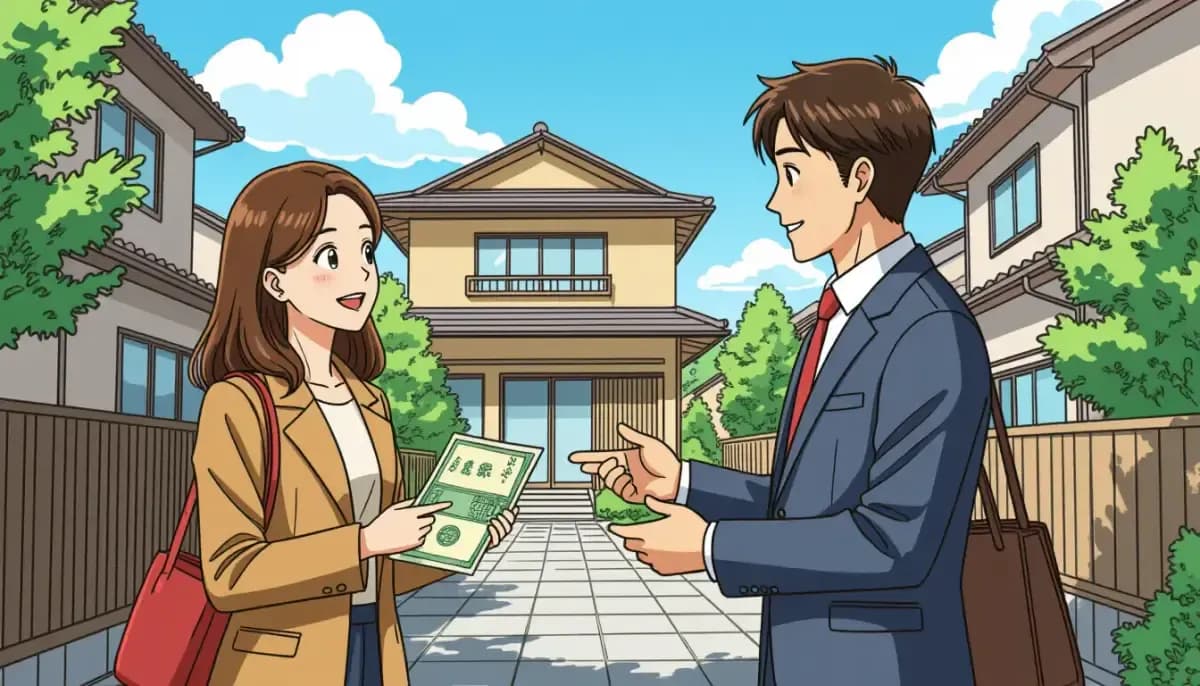
Real Estate Agents Specialized in Investment Property in Japan
Find the best real estate agents specialized in investment property in Japan. Learn how to evaluate agents, understand fee structures, compare top agencies, and avoid costly mistakes as a foreign investor.
Read more →
Buying Japan Property Directly Without an Agent: Is It Possible?
Can you buy property in Japan directly without a real estate agent? Learn what's legally possible, where it works, how much you save on commission, and the real risks foreigners face when going it alone.
Read more →
Top Foreigner-Friendly Real Estate Companies in Japan
Find the best foreigner-friendly real estate companies in Japan. Compare English-speaking agencies like Blackship Realty, Real Estate Japan, Mitsui Fudosan, and more to buy property as a foreigner.
Read more →
Types of Real Estate Agency Contracts in Japan
Learn the 3 types of real estate agency contracts in Japan (ippan, sennin, senzoku sennin baikai). Understand REINS, commission fees, enclosure risk, and which contract is right for foreign buyers and sellers.
Read more →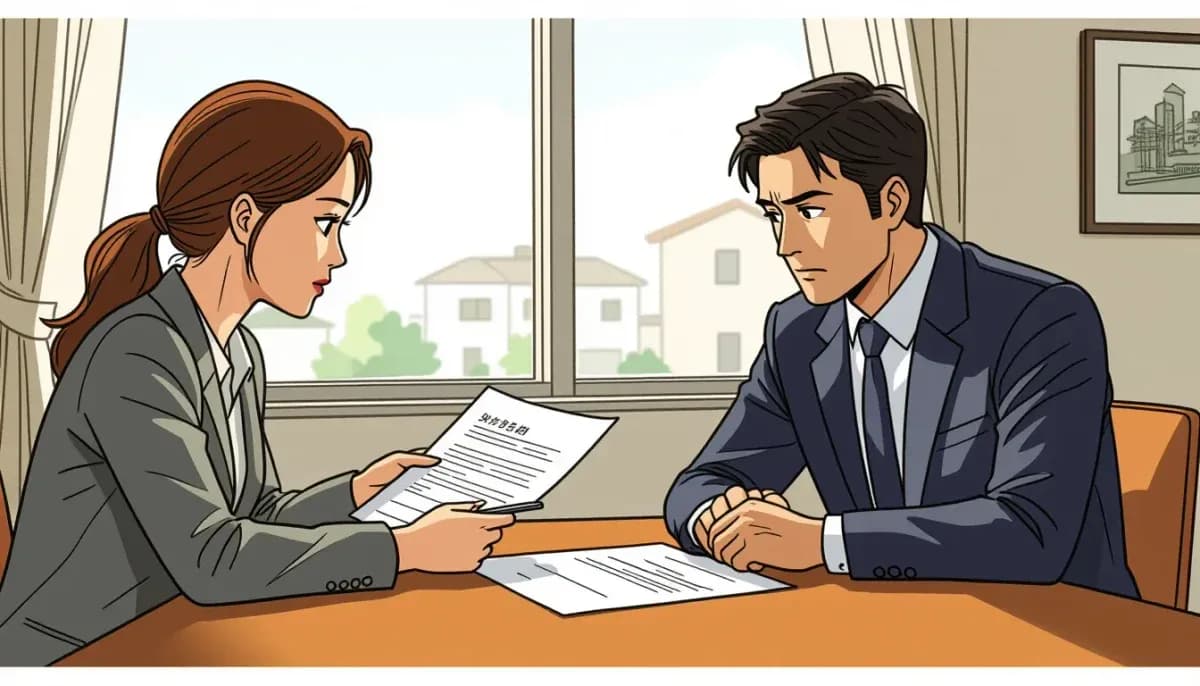
Red Flags and Scams to Watch For with Japan Real Estate Agents
Discover the most common red flags and scams targeting foreigners in Japan's real estate market. Learn how to verify agents, avoid decoy properties, and protect yourself from fraud.
Read more →