
Hotel and Ryokan Investment Guide for Foreigners in Japan

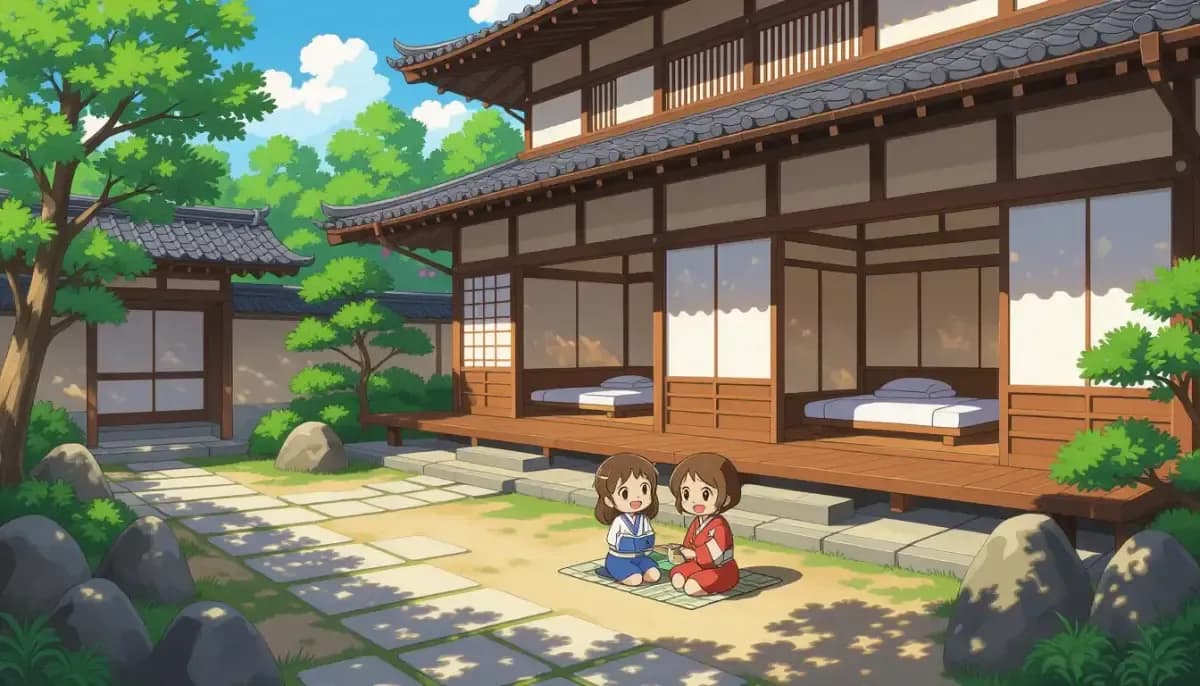
Complete guide to investing in hotels and ryokans in Japan as a foreigner. Learn about legal structures, licensing requirements, top locations, tax obligations, and how to acquire hospitality properties in Japan's booming tourism market.
Hotel and Ryokan Investment Guide for Foreigners in Japan
Japan's hospitality sector is booming, and foreign investors are taking notice. With 37 million international visitors in 2024 — a 50% increase and an all-time record — the demand for quality accommodation has never been stronger. Whether you're eyeing a traditional ryokan in Kyoto, a boutique hotel in Tokyo, or a resort property in Okinawa, Japan's hotel market offers compelling opportunities for foreign buyers who know how to navigate it.
This guide walks you through everything you need to know about investing in hotels and ryokans in Japan as a foreigner: the legal framework, licensing requirements, financial considerations, and the key steps to get started.
Can Foreigners Buy Hotels and Ryokans in Japan?
The short answer is yes — and with fewer restrictions than you might expect. Japan imposes no nationality or residency requirements on property ownership. Foreign individuals and entities can freely purchase both land and buildings, including commercial hospitality properties like hotels and ryokans.
Under Japan's Foreign Exchange and Foreign Trade Act (FEFTA), acquisitions of hotel operating companies by foreign investors are generally exempt from prior notification requirements. This means the regulatory hurdle for entering the market is relatively low compared to many other Asian countries.
For a full overview of property ownership rights for foreigners in Japan, see our Complete Guide to Buying Property in Japan as a Foreigner and Can Foreigners Buy Property in Japan? Legal Rights and Restrictions.
Understanding the Japanese Hospitality Market
Before committing capital, it pays to understand the market fundamentals driving Japan's hotel and ryokan sector.
Key market metrics (2024):
- 37 million inbound visitors — the highest ever recorded
- 650.3 million total overnight guest stays — a new all-time high
- Average nightly rate of ¥13,088 with an 82.3% occupancy rate for major domestic brands
- Average RevPAR (Revenue Per Available Room) growth of approximately 18% year-over-year
- Annual hotel investment volume reached 1 trillion yen
The Japan Hotel Market is projected to grow from US$23.92 billion in 2024 to US$26.85 billion by 2033. Family-owned ryokans facing succession challenges are creating particularly attractive acquisition opportunities for well-capitalized investors.
Major international brands including Marriott, Hyatt, Hilton, and IHG are actively expanding their Japanese presence, which signals strong long-term confidence in the market. Hyatt and Kiraku have even entered a joint venture to launch ATONA — a new modern ryokan brand targeting international travelers.
For context on Japan's broader real estate investment environment, see our Japan Real Estate Market Overview and Trends.
Hotel vs. Ryokan: What's the Difference for Investors?
Understanding the distinction between hotel and ryokan as asset classes is essential before investing.
| Feature | Western-Style Hotel | Traditional Ryokan |
|---|---|---|
| Room layout | Western beds, private bath | Tatami rooms, futon, often shared/private onsen |
| Guest experience | Standardized, international | Cultural, immersive, Japanese |
| Price per night | ¥8,000–¥50,000+ | ¥15,000–¥100,000+ (often includes meals) |
| Operating complexity | Moderate | High (kaiseki meals, onsen management) |
| Licensing | Hotel Business License | Ryokan Business License |
| Target market | Business travelers, tourists | Domestic and inbound leisure travelers |
| Acquisition cost | Varies widely | Often lower in rural areas, high in Kyoto/Hakone |
| Staff requirements | Flexible | Specialist hospitality staff often needed |
Ryokans, particularly in iconic destinations like Kyoto, Hakone, and Beppu, command premium rates but require more complex operations. Hotels offer more standardized operations and can benefit from established brand management systems.
Licensing Requirements: What You Need to Operate
This is one of the most critical areas for foreign investors to understand. Japan has two main pathways for operating accommodation legally:
1. Minpaku Registration (民泊)
The Minpaku Law (enacted 2018) allows property owners to operate short-term rentals with a simpler registration process. Key constraints:
- Maximum 180 rental nights per year
- Must comply with local municipal rules (some areas have stricter limits)
- Requires displaying license number publicly
- Guest log maintenance and periodic reporting to local government
This pathway suits investors who want a lower-cost entry into hospitality with a property that doubles as a personal residence or vacation home.
2. Hotel/Ryokan Business License (旅館業法)
For full commercial operation without the 180-night annual cap, you need a formal business license under the Ryokan Business Act. Requirements include:
- Fire safety compliance and inspections
- Health department approval
- Zoning compliance (commercial or designated tourism zones)
- On-site management provisions
- Application process can take several months
For foreigners operating from abroad, Japanese law requires you to appoint a licensed local property management company as your on-site representative. Remote management is legal — but only with proper licensing and a qualified Japan-based professional managing day-to-day operations. It's strongly recommended to consult with an administrative scrivener (行政書士) before proceeding. YukiHomes has a detailed guide on managing a ryokan from abroad.
Legal Structures and Tax Considerations for Foreign Investors
Choosing the right legal structure is crucial for both tax efficiency and operational flexibility.
Common investment structures:
TMK (特定目的会社 — Tokutei Mokuteki Kaisha) A Special Purpose Company used widely for hotel real estate investment. Offers significant tax advantages not available to ordinary KK or GK business vehicles. Preferred for larger investments, especially when combined with non-recourse financing.
GK-TK (合同会社 + 匿名組合) A Godo Kaisha (LLC) combined with a Tokumei Kumiai (silent partnership) arrangement. Often used by foreign investors for flexibility and tax pass-through benefits. Commonly paired with non-recourse financing at the SPV level.
Tax obligations for non-resident owners:
- Approximately 20.42% withholding tax applies to rental income for non-residents
- Annual Japanese tax returns must be filed declaring rental profits
- Property taxes (固定資産税) and local accommodation taxes apply
- Maintenance, cleaning, depreciation, and management fees are deductible expenses
It is strongly recommended to work with a certified tax accountant (税理士) experienced in real estate and foreign investment. For an overview of property-related taxes, see our Property Taxes and Annual Costs of Owning Property in Japan.
How to Find and Acquire a Hotel or Ryokan Property
Step 1: Define Your Investment Goals
Before searching, clarify your objectives:
- Active operation vs. passive investment (managed by a professional company)
- Target market (inbound tourists, domestic leisure, business travelers)
- Location preference (urban, rural resort, coastal)
- Budget range (acquisition cost + renovation + working capital)
Step 2: Work with Specialized Real Estate Agents
General residential agents rarely handle commercial hospitality properties. Look for agents specializing in hotel and ryokan transactions. Platforms like Japan-Property.jp list hotels and ryokans for sale across the country, including Tokyo and Kyoto listings. Real Estate Japan also maintains a hotel listings database.
Step 3: Conduct Due Diligence
Hospitality property due diligence goes beyond standard real estate checks. Verify:
- Current operating license status and transferability
- Financial performance records (occupancy, RevPAR, revenue)
- Staff contracts and key personnel retention
- Facility condition, especially for older ryokan buildings
- Environmental and structural compliance
- Local zoning and municipal regulations affecting operations
Step 4: Structure the Transaction
Decide whether you're purchasing assets (property and equipment) or shares of an operating company. Asset purchases offer cleaner liability separation but may require new license applications. Share purchases preserve existing licenses and staff relationships but carry operational liabilities.
Engage a Japanese lawyer experienced in M&A and real estate transactions. For context on Japan's legal purchase procedures, see our Legal Procedures and Documentation for Japan Property Purchase.
Step 5: Obtain Financing
Non-recourse financing is the most common structure for foreign investors using SPV vehicles. Recourse loans from Japanese banks remain challenging for non-residents without established relationships. Consider:
- Japanese regional banks and shinkin banks (more flexible for hospitality)
- Foreign bank Japan branches (for larger institutional investments)
- Seller financing in some cases, particularly for smaller ryokan acquisitions
Our Mortgages and Home Loans for Foreigners in Japan guide covers the financing landscape in detail.
Top Locations for Hotel and Ryokan Investment
Location drives everything in hospitality investment. Here are Japan's key markets:
Tokyo — Highest occupancy and ADR (Average Daily Rate), strong business and leisure demand, extremely competitive and high acquisition costs. Districts like Asakusa, Shibuya, and Shinjuku are particularly active.
Kyoto — Premium ryokan market with year-round inbound tourism. Traditional machiya townhouses and historic ryokans in Higashiyama and Arashiyama command top rates. High renovation costs for heritage properties.
Osaka — Strong RevPAR growth (26% year-over-year), more affordable entry points than Tokyo, excellent transport links. See our Buying Property in Osaka as a Foreigner guide.
Hokkaido — Niseko's ski-resort market sees significant foreign investment in boutique lodges and hotels. Strong seasonal demand. See Buying Property in Hokkaido as a Foreigner.
Okinawa — Resort properties in a market showing 12 consecutive years of land price appreciation. Strong short-term rental demand from both domestic and international visitors. Land prices rose 7.3% in 2025. Gaijin Buy House covers Okinawa resort property investment in detail.
Rural Onsen Towns — Properties in locations like Hakone, Beppu, and Kinosaki Onsen offer lower acquisition costs. The succession challenge facing aging ryokan owners creates buyer-friendly conditions.
For broader location research, visit Living in Nihon for guides on life across Japan's regions, and For Work in Japan for context on Japan's business and economic environment.
Key Risks and Challenges
Operational complexity: Running a ryokan — especially one that serves traditional kaiseki meals — requires specialized staff and deep cultural knowledge. Underestimating this is a common mistake for foreign investors.
Language and regulatory barriers: All licensing, compliance reporting, and most business operations are conducted in Japanese. A strong local team or management company is not optional — it's essential.
Seasonality: Some destinations, particularly ski resorts and coastal properties, have pronounced seasonal demand swings. Model cash flows conservatively.
Renovation costs: Older wooden ryokan buildings often require significant investment to meet modern fire and safety codes. Budget for unexpected structural issues.
Market competition: As inbound tourism surges, new supply is entering the market. Monitor new hotel openings in your target area before committing.
Getting Started: Practical Next Steps
- Research your target location — Visit multiple times across seasons before committing
- Consult a specialist agent — Work only with agents experienced in commercial hospitality transactions
- Engage legal and tax advisors early — Japanese hospitality law and tax structures for foreign investors are complex
- Understand your operational model — Decide upfront whether you will self-manage, hire a management company, or partner with a hotel brand
- Plan your exit — Japan's hospitality investment market is liquid for well-located, well-performing assets
For more on Japan's property purchase process from the buyer's perspective, our Step-by-Step Home Buying Process in Japan for Foreigners provides a solid foundation, even though commercial transactions involve additional considerations.
Japan's hotel and ryokan market represents a genuine opportunity for foreign investors willing to do the work — legally, operationally, and financially. The fundamentals are strong, the regulatory environment is welcoming, and the tourism tailwinds show no signs of abating. The key is entering with clear eyes, the right local partners, and a strategy suited to the specific type of property and market you're targeting.

Originally from Vietnam, living in Japan for 16+ years. Graduated from Nagoya University, with 11 years of professional experience at Japanese and international companies. Sharing information about buying property in Japan for foreigners.
View Profile →Related Articles
Japan Commercial Property Zoning Regulations Explained
Learn how Japan's 13 land use zones affect commercial property purchases. Understand FAR limits, permitted uses, environmental rules, and what foreign buyers need to know before investing.
Read more →
Financing Options for Commercial Property in Japan
Complete guide to financing commercial property in Japan as a foreigner. Learn about investment loan types, lender options, corporate structure routes, and eligibility requirements for expats and non-residents.
Read more →
Managing Commercial Property in Japan as a Foreign Owner
Complete guide to managing commercial property in Japan as a foreign owner. Covers legal requirements, property management, taxes, tenant relations, and overseas remittance tips.
Read more →
Commercial Property Due Diligence in Japan
Master commercial property due diligence in Japan with this complete guide for foreign investors. Covers title checks, seismic compliance, environmental assessments, lease review, tax costs, and regulatory obligations.
Read more →
Japan Mixed-Use Building Investment Guide
Complete guide to investing in Japan mixed-use buildings as a foreigner. Covers yields, financing, due diligence, taxes, and the buying process for retail-residential properties.
Read more →
Commercial Property Tax Differences in Japan
Learn how commercial property taxes in Japan differ from residential. Full guide covering acquisition tax (4% vs 3%), fixed asset tax, capital gains, and tips for foreign investors.
Read more →