
Osaka Umeda and Namba Property Guide for Foreigners

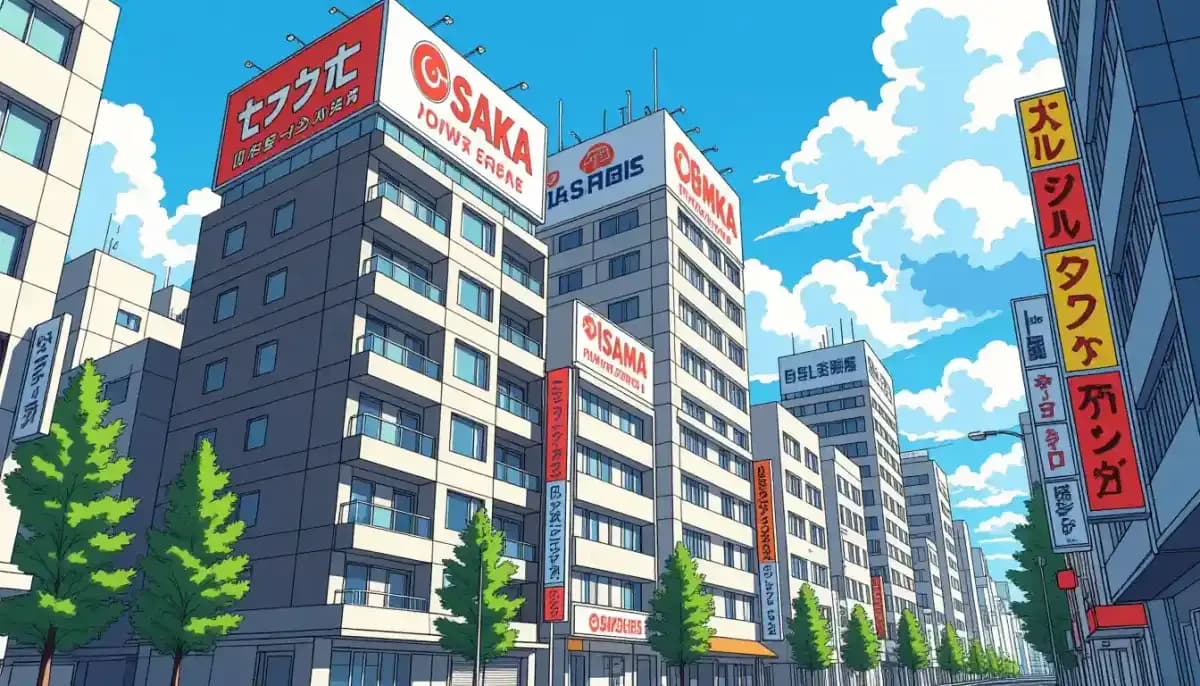
Complete guide to buying and renting property in Osaka's Umeda and Namba districts for foreigners. Covers prices, rental yields, legal tips, and investment outlook for 2025-2026.
Osaka Umeda and Namba Property Guide for Foreigners
Osaka is Japan's second-largest city and one of the most exciting places in the world to live, work, and invest in real estate. For foreigners looking to buy or rent property in Japan, the twin commercial powerhouses of Umeda in the north and Namba in the south offer distinctly different lifestyles, price points, and investment opportunities. Whether you are relocating for work, seeking a holiday home, or exploring property investment in Japan, this comprehensive guide covers everything you need to know about Osaka's most iconic neighborhoods.
Unlike Tokyo, Osaka has a reputation for being more affordable, more welcoming, and easier to navigate as a foreigner. Properties in Osaka are approximately 30% cheaper than equivalent Tokyo properties, while living costs run 20–30% lower as well. Combine this with some of the best rental yields in Japan and you have a compelling case for exploring Umeda and Namba real estate.
Understanding Umeda: Osaka's Business Hub
Umeda, located in Kita Ward (北区), is Osaka's premier commercial district. Home to major department stores like Hankyu and Hanshin, the underground Whity Umeda shopping arcade, and a forest of modern skyscrapers, Umeda is where business meets lifestyle in the northern part of the city.
Key characteristics of Umeda:
- Excellent transportation links via JR Osaka Station, Hankyu Umeda, Hanshin Umeda, and multiple Osaka Metro lines
- Direct access to Kyoto (15 minutes), Kobe (20 minutes), and Nara (45 minutes)
- Ongoing Umekita Phase 2 redevelopment project, slated for completion in 2027
- Strong demand from corporate executives, international professionals, and families
From a property investment perspective, Umeda condominiums typically range from ¥45 million to ¥80 million, with rental yields averaging 3.5% to 4.5%. While yields are slightly lower than Namba, Umeda properties tend to attract stable, long-term tenants such as professionals and families, reducing vacancy risk.
The Umekita Phase 2 project — a massive redevelopment in front of JR Osaka Station — is transforming the area with green spaces, commercial facilities, hotels, and residences. Residential land in Kita Ward increased by 10.2% year-on-year between 2024 and 2025, signaling strong capital appreciation potential.
For foreigners new to the Japanese property market, it helps to first understand the broader legal landscape. See our guide on Can Foreigners Buy Property in Japan? for a full overview of rights and restrictions.
Understanding Namba: Osaka's Entertainment Heart
Namba, spanning parts of Naniwa Ward (浪速区) and Chuo Ward (中央区), is the beating heart of Osaka's entertainment and tourist economy. Famous for Dotonbori's neon-lit canals, the Shinsaibashi shopping arcade, and the eclectic America Mura district, Namba is dynamic, vibrant, and rarely quiet.
Key characteristics of Namba:
- Accessible via Osaka Metro Midosuji Line, Namba Station (Kintetsu, Nankai), and JR Namba Station
- Walking distance to major tourist attractions and entertainment venues
- High concentration of short-term rental demand from domestic and international tourists
- Mix of residential, commercial, and hospitality properties
Namba offers the highest rental yields in central Osaka, typically ranging from 5.0% to 6.5% for well-located properties. Purchase prices are more accessible too, with condominiums ranging from ¥20 million to ¥40 million — making Namba attractive for investors seeking strong cash flow.
The commercial land value around Dotonbori 1-chome recorded a 22.6% year-on-year increase, reflecting intense investor interest in the area. Short-term rental demand is especially high in Namba and the adjacent Shinsaibashi district, with many properties achieving high occupancy rates.
However, it is worth noting that certain pockets near Shin-Imamiya Station have historically had safety concerns. Neighborhoods around Ashiharabashi, Imamiya, and Sakuragawa are generally considered safer and are popular with young professionals.
Comparing Umeda and Namba: Which is Right for You?
Choosing between Umeda and Namba ultimately depends on your lifestyle preferences and investment goals. Here is a side-by-side comparison to help you decide:
| Feature | Umeda (Kita Ward) | Namba (Naniwa/Chuo Ward) |
|---|---|---|
| Property Price Range | ¥45M – ¥80M | ¥20M – ¥40M |
| Rental Yield | 3.5% – 4.5% | 5.0% – 6.5% |
| Primary Tenant Type | Professionals, families | Young singles, tourists |
| Short-Term Rental Potential | Moderate | High |
| Transport Access | Excellent (6+ lines) | Excellent (5+ lines) |
| International Feel | Business-oriented | Tourist and entertainment |
| Safety | Very high | Generally good (area dependent) |
| Noise Level | Moderate | High (busy nights) |
| Nearby Greenery | Nakanoshima Park | Limited |
| Land Price Growth (2024-25) | +10.2% (residential) | +22.6% (commercial) |
For investors seeking stable long-term rental income, Umeda is the safer bet. For investors seeking higher yields and short-term rental income, Namba offers better numbers. Many foreign investors choose to diversify across both areas.
How to Buy Property in Osaka as a Foreigner
One of the most appealing aspects of Japan's property market is that foreigners face no major restrictions on purchasing real estate. You do not need permanent residency to buy — even non-residents can acquire full ownership rights (freehold).
Step-by-step buying process:
- Get pre-approved for financing — if you need a mortgage. Options are more limited for non-residents, but permanent residents and visa holders with stable income have access to major bank products. See our Mortgages and Home Loans for Foreigners guide.
- Engage a bilingual real estate agent — specialized agents who work with foreign buyers are essential in Osaka. They can navigate the documentation in Japanese and explain local customs.
- Search properties — platforms like SUUMO, At Home, and Homes.co.jp list Osaka properties. International portals like JLL and CBRE also operate in Osaka.
- Make an offer and sign a Purchase Agreement (売買契約書) — this involves paying a deposit (usually 10% of purchase price).
- Complete due diligence — check the property's earthquake resistance certification (post-1981 standards are mandatory), flooding risk via hazard maps, and any outstanding debts on the property.
- Final settlement and registration — the remaining balance is paid, and ownership is transferred via a judicial scrivener (司法書士).
Total acquisition costs typically run 6–10% above the purchase price, covering real estate agent fees (3.3% + ¥66,000), registration taxes, stamp duty, and judicial scrivener fees. Read our detailed breakdown in Hidden Costs and Fees When Buying Property in Japan.
For the full walkthrough, see our Step-by-Step Home Buying Process in Japan.
Renting in Umeda and Namba: A Guide for Expats
Not ready to buy? Renting in Osaka is also an excellent option. The rental market in Umeda and Namba is well-developed, with a range of options from compact studios to spacious 2LDK apartments.
Typical monthly rental prices in central Osaka:
| Property Type | Umeda Area | Namba Area |
|---|---|---|
| 1R/1K Studio | ¥65,000 – ¥90,000 | ¥55,000 – ¥80,000 |
| 1DK | ¥80,000 – ¥110,000 | ¥70,000 – ¥100,000 |
| 1LDK | ¥100,000 – ¥150,000 | ¥90,000 – ¥140,000 |
| 2LDK | ¥140,000 – ¥220,000 | ¥120,000 – ¥200,000 |
Key things to know when renting as a foreigner in Osaka:
- Guarantor requirements — most landlords require a Japanese citizen guarantor or a professional guarantor company (保証会社). Fees are usually 1 month's rent paid upfront.
- Key money (礼金) — a non-refundable payment to the landlord, typically 1–2 months' rent. This practice is less common in Osaka than Tokyo, but still exists.
- Deposit (敷金) — usually 1–2 months' rent, refundable at end of tenancy subject to any deductions.
- Agency fees — typically 1 month's rent plus tax.
- Foreign-friendly landlords — while some landlords are reluctant to rent to foreigners, the market in central Osaka is more open than smaller cities. Services like Sakura House, GaijinPot Housing, and foreigner-friendly agencies actively support expat renters.
For a comprehensive guide to the rental process, Living in Nihon offers detailed information on navigating Japanese rental systems as a foreigner.
Property Investment Outlook for Umeda and Namba
Osaka's property market has strong fundamentals heading into the late 2020s. The city's average rental yield of 4.47% significantly outperforms Tokyo's 3.44%, making it one of Japan's most attractive investment destinations.
Key market drivers:
- Expo 2025 legacy — the World Expo held on Yumeshima Island catalyzed infrastructure investment and international attention for Osaka. While some temporary demand has normalized, the longer-term infrastructure improvements remain.
- Integrated Resort (IR) development — the planned casino resort on Yumeshima is expected to generate significant ongoing tourist and business traffic.
- Umekita Phase 2 — completing 2027, this massive redevelopment will add premium residential, commercial, and hotel space in Umeda.
- Rising international tourism — Osaka remains Japan's top tourist destination alongside Kyoto, sustaining short-term rental demand in Namba.
- Weakened yen — for foreign investors, the weak yen has made Japanese property comparatively cheaper in their home currencies, boosting overseas investment flows.
Caution: investors should be aware that post-Expo temporary demand spikes may not be sustained. Thorough due diligence on occupancy rates, location, and building condition remains essential. For a market-wide perspective, see Japan Real Estate Market Overview and Trends.
For detailed Osaka-specific investment guidance, the team at Gaijin Buy House offers comprehensive resources on buying in the Osaka-Kansai region.
Practical Tips for Foreign Property Buyers in Osaka
1. Choose a bilingual specialist agent General real estate agents in Japan rarely speak English. Look specifically for agencies that advertise foreign buyer services. In Osaka, agencies like RE/MAX APEX, Osaka Property Navi, and international arms of major firms actively support non-Japanese clients.
2. Verify earthquake standards Japan has strict seismic building codes. Properties built after 1981 (新耐震基準 — New Seismic Standard) offer significantly better earthquake resistance. Always confirm a property's construction date and compliance certification.
3. Check flood and hazard maps Low-lying areas of Osaka, particularly near the waterways around Namba and the Dotonbori canal, can be prone to flooding. Before purchasing, review the city's hazard maps (ハザードマップ) available from Osaka City.
4. Understand property management If you are purchasing as an investment and do not live in Japan, you will need a property management company. Management fees typically range from 5–10% of monthly rent. Companies like R.E.I. Management and Japan Property Central offer English-language services.
5. Tax obligations for non-residents Non-resident property owners in Japan are subject to annual property taxes (固定資産税), and any rental income is subject to Japanese income tax. A tax accountant familiar with international clients is highly recommended. See Property Taxes and Annual Costs of Owning Property in Japan.
6. Use a judicial scrivener All property transfers in Japan must be registered by a licensed judicial scrivener (司法書士). Your agent will typically recommend one, but you can also engage your own. See our full guide on Legal Procedures and Documentation for Japan Property Purchase.
For comprehensive information on the entire buying journey, the guide at For Work in Japan covers housing and living infrastructure for foreigners in Japan.
Conclusion: Making Your Move in Osaka
Umeda and Namba represent two of Japan's most exciting real estate opportunities for foreign buyers and renters. Umeda offers stability, prestige, and strong capital growth potential driven by the transformative Umekita redevelopment. Namba offers higher rental yields, accessibility, and a lively urban energy that draws both domestic residents and international visitors year-round.
For foreigners, Osaka's open property market, lower prices compared to Tokyo, and strong rental fundamentals make it a compelling destination — whether your goal is to find a home, build a rental portfolio, or simply plant roots in Japan's most vibrant city.
Start your journey by reading our Complete Guide to Buying Property in Japan as a Foreigner and our dedicated Buying Property in Osaka as a Foreigner Area Guide for even more in-depth coverage of Osaka's neighborhoods and market conditions.
More information on living and working in Japan can also be found at RE/MAX APEX's Osaka renting guide and PropertyAccess's Osaka neighborhood guide.

Originally from Vietnam, living in Japan for 16+ years. Graduated from Nagoya University, with 11 years of professional experience at Japanese and international companies. Sharing information about buying property in Japan for foreigners.
View Profile →Related Articles
Osaka Short-Term Rental Investment Guide for Foreign Owners
Complete guide to Osaka short-term rental investment for foreigners: Minpaku licensing, best neighborhoods, financial projections, yields up to 4.47%, and step-by-step setup for non-resident foreign owners.
Read more →
Sakai City: Affordable Property Near Osaka for Foreigners
Discover why Sakai City is one of the most affordable property options near Osaka for foreigners. Learn about neighborhoods, prices, transport links, and the buying process for expats.
Read more →
Tennoji and Abeno Area Property Guide for Foreigners
Complete guide to buying property in Tennoji and Abeno, Osaka as a foreigner. Property prices, rental yields, mortgage options, and investment analysis for 2025.
Read more →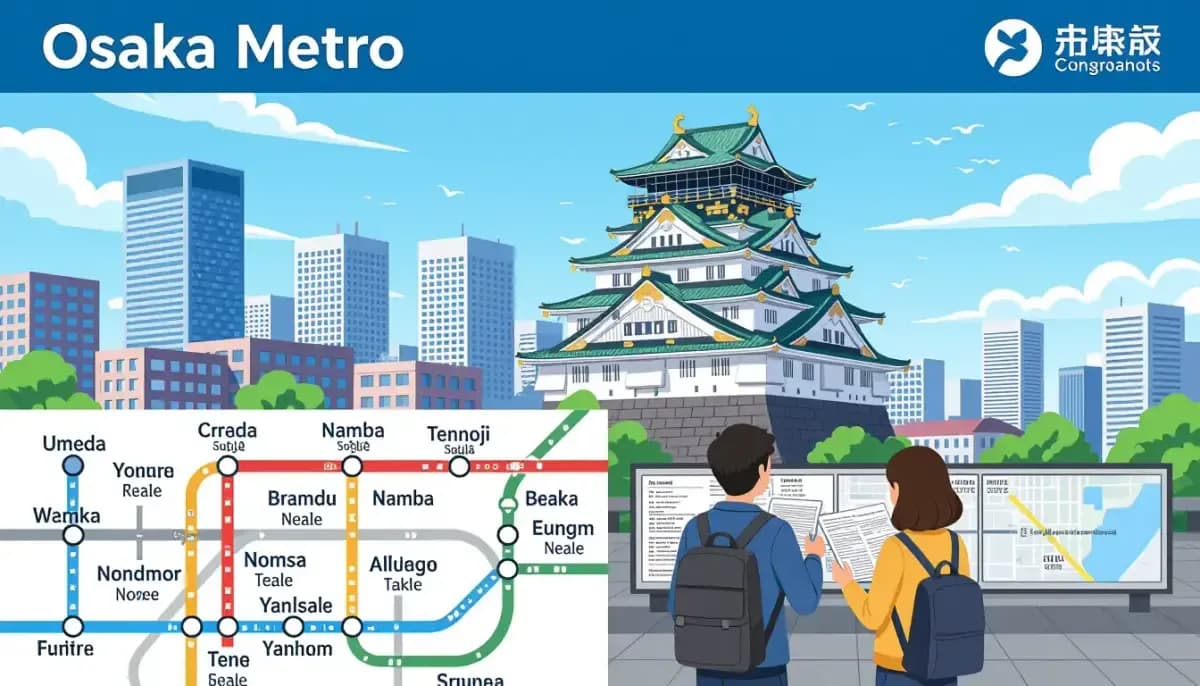
Osaka Subway and Transit Accessibility Property Guide
Complete guide to Osaka subway and transit accessibility for property buyers. Compare prices by metro line, find the best neighborhoods, and learn how transit proximity affects property values in Osaka.
Read more →
Post-Expo 2025 Impact on Osaka Property Market
Expo 2025 reshaped Osaka real estate with record land price gains and a 2.9 trillion yen economic boost. Discover what the post-Expo market means for foreign buyers and investors in 2026 and beyond.
Read more →
Osaka New Development Projects and Growth Areas for 2026
Discover Osaka's biggest development projects in 2026 — Grand Green Osaka, the ¥1.27 trillion Yumeshima IR, and the top growth neighborhoods for foreign property buyers.
Read more →