
Non-Resident and Absentee Ownership of Japan Property


Everything you need to know about owning property in Japan as a non-resident: legal rights, tax obligations, appointing a tax agent, property management options, and exit strategies for absentee owners.
Non-Resident and Absentee Ownership of Japan Property: A Complete Guide
Owning property in Japan while living abroad is entirely legal and increasingly popular among foreign investors, diaspora communities, and expats who want to maintain a foothold in the country. Japan imposes no legal restrictions on non-residents purchasing real estate — you can buy land, houses, condominiums, or commercial properties without holding a visa or residency status. However, owning property from overseas comes with unique responsibilities around taxes, property management, and legal compliance that every absentee owner must understand.
This guide walks you through everything you need to know about non-resident and absentee property ownership in Japan, from the initial purchase process to ongoing obligations and exit strategies.
Can Non-Residents Legally Own Property in Japan?
Yes — Japan is one of the most open property markets in Asia for foreign buyers. There are no nationality-based restrictions, no quotas, and no requirement to hold a Japanese visa or residency status to purchase or own real estate. Whether you live in the United States, Europe, Southeast Asia, or anywhere else in the world, you can legally buy and hold Japanese property in your own name.
According to Japanese law, a "non-resident" is generally defined as any individual who has lived outside Japan for more than one year and does not maintain a permanent domicile within the country. This status affects your tax treatment and certain administrative procedures, but it does not prevent you from owning property.
You can purchase:
- Detached houses (一戸建て)
- Condominiums (マンション)
- Land (土地)
- Akiya (vacant/abandoned homes)
- Investment apartments
- Commercial and industrial properties
The purchase process for non-residents is essentially the same as for residents, with a few additional documentation requirements to verify your identity and foreign address.
For a broader overview of the legal rights foreigners enjoy when buying in Japan, see our guide on Can Foreigners Buy Property in Japan? Legal Rights and Restrictions.
Documentation Required for Non-Resident Buyers
Since you are completing a transaction from abroad, you will need to provide more documentation than a typical Japanese buyer. Here is what is generally required:
| Document | Purpose | Notes |
|---|---|---|
| Passport copy | Primary identification | Must be current and valid |
| Proof of foreign address | Address verification | Utility bill, bank statement, or government ID |
| Japanese tax identification number | Tax compliance | Required for registration |
| Notarized signature certificate | Replaces Japanese inkan (seal) | Must be notarized by a notary public in your home country or by the Japanese embassy/consulate |
| Power of attorney (委任状) | Authorize a local representative to act on your behalf | Useful if you cannot attend closing in person |
| Anti-money-laundering documentation | Required under Japanese banking regulations | Source of funds declaration may be requested |
If you cannot travel to Japan to complete the purchase in person, you can appoint a representative through a notarized power of attorney. Many buyers work with a judicial scrivener (司法書士) or a bilingual real estate attorney to handle the process remotely.
Our Step-by-Step Home Buying Process in Japan for Foreigners covers the full transaction process in detail.
Tax Obligations for Non-Resident Property Owners
Owning property in Japan as a non-resident triggers several ongoing tax obligations. Unlike residents, you will not receive tax notices in the mail at a Japanese address — so you must set up proper systems to stay compliant.
Fixed Asset Tax (固定資産税)
Every property owner in Japan — resident or not — must pay fixed asset tax annually. The standard rates are:
- Fixed Asset Tax: 1.4% of the assessed property value (公示価格)
- City Planning Tax: Up to 0.3% of the assessed value (applies to properties in urban planning areas)
- Effective combined rate: Approximately 1.7% in most of Tokyo's 23 wards and Osaka City
The assessed value (公示価格) is typically lower than the market value, so your actual tax bill will be less than 1.7% of the purchase price. Tax notices are issued by the local municipality each year, usually in April or May.
Important: Late payment of fixed asset tax incurs additional penalties. After one month past due, an 8.7% annual penalty applies to the overdue amount. Missing payments repeatedly can result in liens on your property.
Property Acquisition Tax (不動産取得税)
A one-time tax paid after purchasing the property. The standard rate is 4% of the assessed value, though reduced rates apply for residential properties (typically 3%).
Rental Income Tax (if renting out)
If you rent out your property while living abroad, your rental income is subject to Japanese income tax:
- Withholding tax: 20.42% withheld at source by the tenant or rental agent
- Annual tax filing: You must file a Japanese income tax return each year
- Deductible expenses: Property management fees, depreciation, repairs, and loan interest can reduce taxable income
Capital Gains Tax (if selling)
When you sell the property as a non-resident:
- Withholding at source: 10.21% withheld from sale proceeds
- Long-term capital gains: 15.315% tax for properties held more than 5 years
- Short-term capital gains: 30.63% tax for properties held 5 years or less
For a detailed breakdown of all property-related taxes, see our guide on Property Taxes and Annual Costs of Owning Property in Japan.
Appointing a Tax Agent (納税管理人)
One of the most important steps for any non-resident property owner is appointing a Tax Agent (納税管理人, Nozei Kanrinin). This is a Japan-based person or company authorized to receive tax notices and pay taxes on your behalf.
Without a tax agent, your municipal government has no way to contact you, which can lead to missed payments, penalties, and in extreme cases, forced auction of your property.
How to appoint a tax agent:
- Choose a Japan-based person (family member, friend, accountant, or property management company) willing to act as your agent
- Complete a "Notification of Tax Agent" form (納税管理人の申告書)
- Submit the form to the local tax office (市区町村税務課) that has jurisdiction over your property
- After submission, all tax notices will be mailed to your appointed agent
Many property management companies in Japan offer tax agent services as part of their management packages. This is usually the most convenient solution for overseas owners without personal contacts in Japan.
Learn more about the legal and administrative requirements at Legal Procedures and Documentation for Japan Property Purchase.
Property Management Options for Absentee Owners
Managing a property from overseas is one of the biggest practical challenges for non-resident owners. Here are the main options:

Option 1: Full-Service Property Management Company
This is the most common choice for absentee owners. A professional property management company handles:
- Tenant recruitment and screening
- Lease signing and renewals
- Monthly rent collection and disbursement to your overseas bank account
- Maintenance and repairs coordination
- Fixed asset tax payment and filing
- Emergency response
- Annual inspections
Typical fees: 5–10% of monthly rent for residential properties. Some companies charge a flat monthly fee for vacant properties.
Recommended for: Investors planning to rent out the property, owners without contacts in Japan, or those who want a completely hands-off approach.
Option 2: Part-Time Caretaker or Local Contact
If you have a trusted friend, family member, or business contact in Japan, they can informally look after your property — checking on it periodically, paying bills, and forwarding mail. This works well for second-home owners who visit regularly.
However, this arrangement has limitations: your contact may not be available in emergencies, and you may lack professional documentation and reporting.
Option 3: Akiya Banks and Municipal Programs
For owners of rural properties or akiya (vacant homes), some municipalities offer caretaker programs or will list your property in an akiya bank to find local buyers or renters who may be willing to maintain the property in exchange for use rights.
See our guide on Rural and Countryside Properties in Japan for Foreign Buyers for more details.
Selling vs. Renting: What Makes Sense for Absentee Owners?
One of the most consequential decisions for non-resident property owners is whether to sell the property or rent it out. Each strategy has distinct financial and practical implications.

For a Tokyo condo currently valued at ¥55 million, a 5-year simulation shows:
| Strategy | Gross Revenue | Net After Costs & Taxes | Key Risk |
|---|---|---|---|
| Sell now | ¥5M capital gain | ~¥4.5M net | Market timing risk |
| Rent for 5 years | ¥12M rental income (¥200K/month) | ~¥7–8M net | Vacancy, repairs, management burden |
Choose to sell if:
- You have no plans to return to Japan
- The building is older (20+ years) with major repair risk
- You need immediate liquidity
- You want to eliminate management burden entirely
Choose to rent if:
- You may return within a few years
- The property is near a major train station with strong rental demand
- You can find a reliable property management company
- Your mortgage (if any) can be covered by rental income
For a deeper analysis, Gaijin Buy House has an excellent guide on the sell vs. rent decision for owners leaving Japan.
2025–2026 Regulatory Changes Affecting Non-Resident Owners
Japanese property regulations affecting foreign owners have been evolving. Here are the most significant recent developments:
Mandatory Contact Address Registration (2024) Since 2024, non-residents must register a Japan-based contact address when holding property. This is intended to improve enforcement of tax obligations and address the problem of "unknown owner" properties.
Nationality Declaration Requirement (Fiscal 2026) Japan is implementing a requirement for new property owners to disclose their nationality in the property registry database. This will allow the government to track properties owned by foreign nationals, particularly near sensitive infrastructure.
Foreign Land Transactions Near Defense Installations Under the Comprehensive Economic Security Promotion Act, land transactions near Japan's defense facilities now require advance notification to the government if the buyer is a foreign national. This affects certain areas in Okinawa, Hokkaido, and other regions with military presence.
For visa and residency considerations when buying property, see our article on Visa and Residency Considerations for Property Buyers in Japan.
Financing as a Non-Resident
Obtaining a mortgage as a non-resident is possible but more difficult than for residents. Most major Japanese banks require the borrower to have a stable income in Japan or permanent residency. However, some lenders do offer products specifically for non-residents:
- Shinsei Bank — Has offered non-resident mortgage products
- SMBC Trust Bank (Prestia) — International mortgage products for non-residents
- Suruga Bank — Some programs available for overseas buyers
Expect stricter requirements, higher interest rates, and lower loan-to-value ratios compared to resident mortgages. Many non-resident buyers purchase with cash or use financing from their home country.
For full details on mortgage options, see our guide on Mortgages and Home Loans for Foreigners in Japan.
Practical Tips for Absentee Owners
- Open a Japanese bank account before leaving Japan — This makes it significantly easier to pay taxes and receive rent. Some banks allow non-residents to maintain existing accounts, but opening a new account from abroad is difficult.
- Set up automatic bank transfers — Authorize your property manager or tax agent to use auto-pay for fixed asset tax, condo management fees, and utilities.
- Keep records of all property-related expenses — These are deductible against rental income and can significantly reduce your Japanese tax liability.
- Get proper insurance — Standard Japanese property insurance (火災保険) is essential. If the property will be vacant for extended periods, check whether your policy covers vacant properties.
- Visit the property at least annually — Even if you have a management company, periodic visits allow you to assess the condition of the property and maintain the relationship with your local contacts.
- Understand inheritance rules — If you own property in Japan, it will be subject to Japanese inheritance tax upon your death, regardless of your nationality or country of residence.
For a complete picture of the purchase process, start with our Complete Guide to Buying Property in Japan as a Foreigner.
Useful External Resources
- Living in Nihon — Guides for Foreigners in Japan — Practical resources for expats navigating life and property in Japan
- For Work in Japan — Japan Career and Living Guides — Information for foreigners working and investing in Japan
- Karma Legal Japan — Can I Buy a House in Japan Without Living There? — Legal perspective on non-resident property purchases
- MailMate — Fixed Asset Tax Japan Guide — Detailed guide on paying property taxes as a non-resident
- Aonissin Real Estate — Non-Resident Investor Guide — Comprehensive investment guide for overseas buyers
Conclusion
Non-resident and absentee ownership of Japanese property is entirely feasible and legally straightforward. Japan's open property market, stable legal system, and relatively low property prices in many regions make it an attractive option for overseas investors and expatriates. The key to success is setting up the right support infrastructure: a reliable property management company, a qualified tax agent, and clear documentation of your ownership and obligations.
With the right systems in place, owning Japanese property from abroad can be a rewarding long-term investment — whether you plan to eventually return, generate rental income, or simply preserve a connection to Japan.

Originally from Vietnam, living in Japan for 16+ years. Graduated from Nagoya University, with 11 years of professional experience at Japanese and international companies. Sharing information about buying property in Japan for foreigners.
View Profile →Related Articles
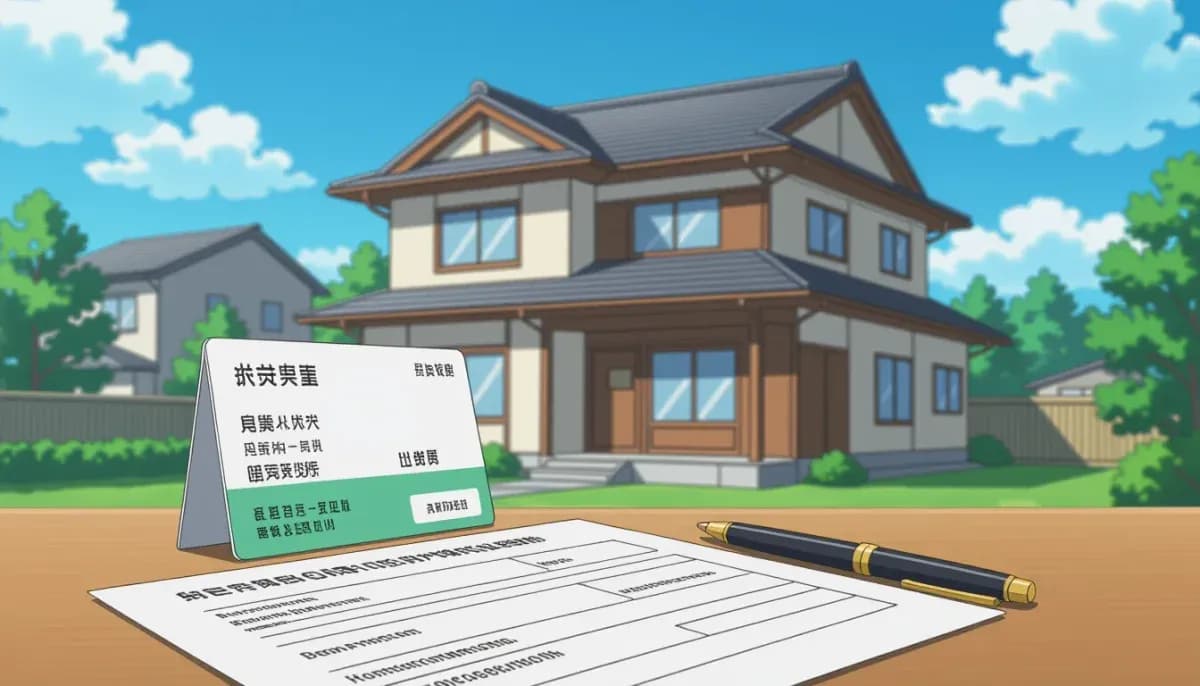
Zairyu Card (Residence Card) and Property Purchase in Japan
Learn how Japan's Zairyu Card (residence card) affects your ability to buy property, qualify for a mortgage, and complete legal procedures as a foreigner in Japan.
Read more →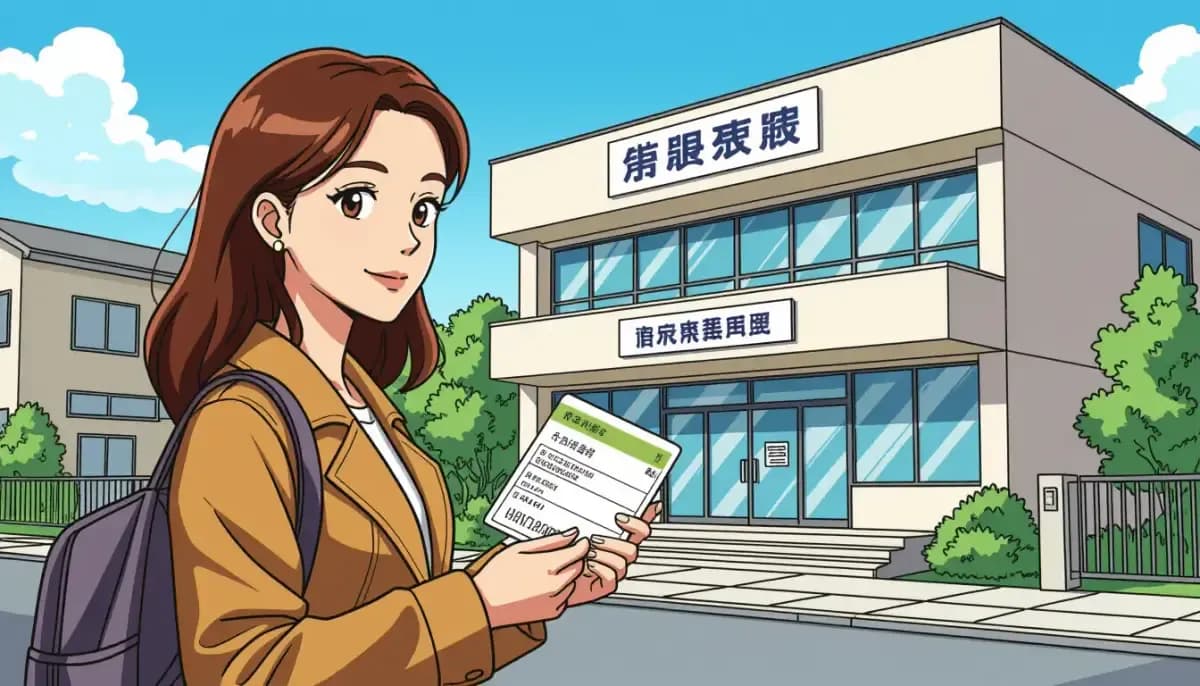
Changing Your Residency Status After Buying Property in Japan
Learn how buying property in Japan affects your residency status. Explore visa options, step-by-step status change procedures, permanent residency requirements, and key rules for non-resident property owners.
Read more →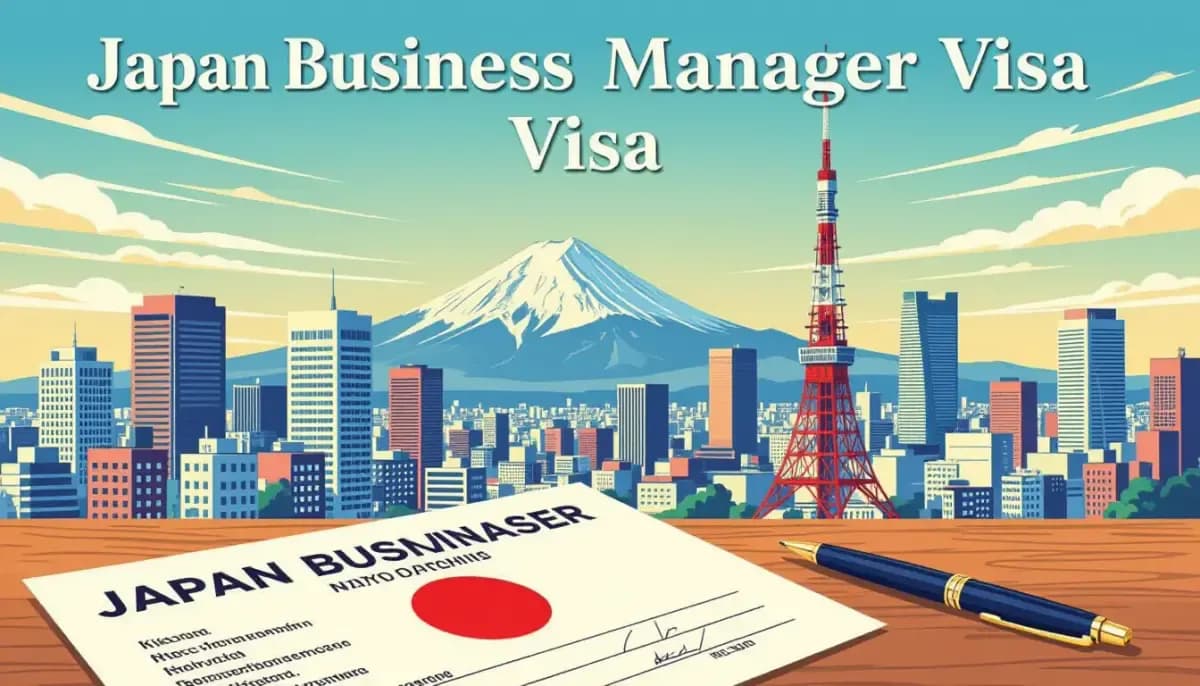
Japan Investor Visa and Real Estate: Is It Worth Pursuing?
Japan has no Golden Visa—property ownership alone grants no residency. Learn how the Business Manager Visa works, the 2025 rule changes (¥30M capital requirement), and whether real estate qualifies as a valid business model for living in Japan.
Read more →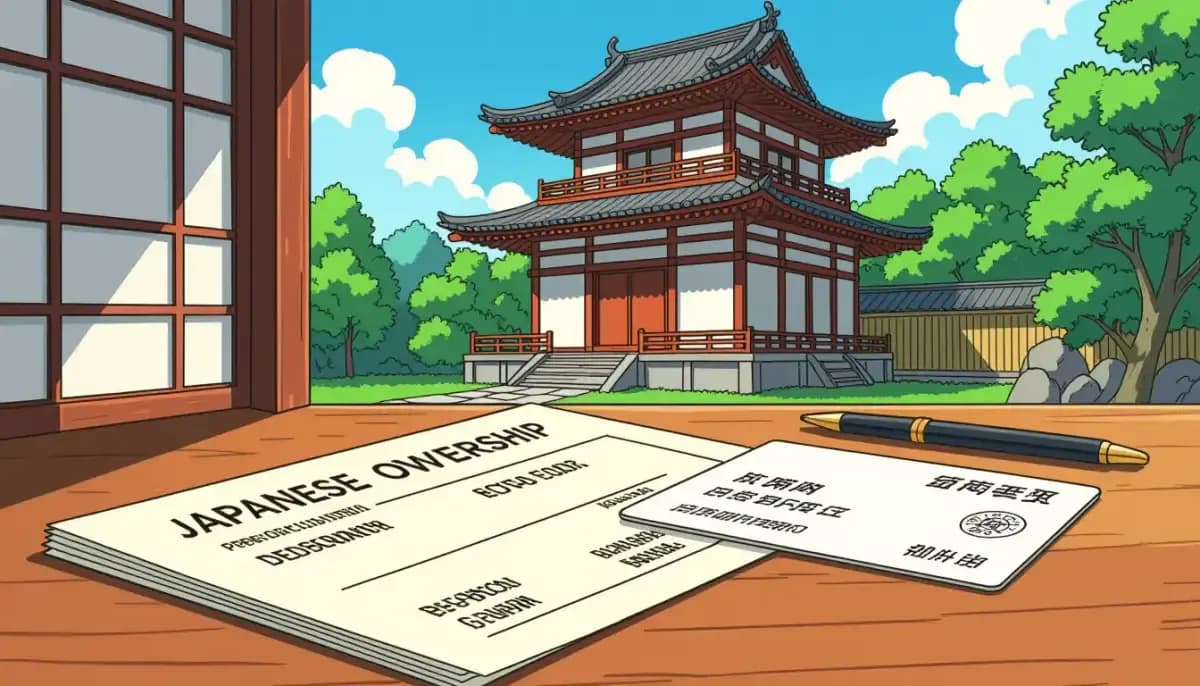
Long-Term Resident Visa and Property Ownership in Japan
Complete guide to Japan's Long-Term Resident Visa (定住者) and its relationship to property ownership. Learn who qualifies, application steps, and how owning property can support your path to permanent residency in Japan.
Read more →
Highly Skilled Professional Visa and Japan Property Purchase
Learn how Japan's Highly Skilled Professional visa affects your ability to buy property and get a mortgage. HSP to PR fast-track, bank options, and mortgage tips for foreigners.
Read more →
Working Visa Holders Buying Property in Japan
Can working visa holders buy property in Japan? Yes — with no legal restrictions on foreign ownership. Learn mortgage requirements, down payment amounts, required documents, costs, and the step-by-step process for expats buying a home in Japan.
Read more →