
Changing Your Residency Status After Buying Property in Japan

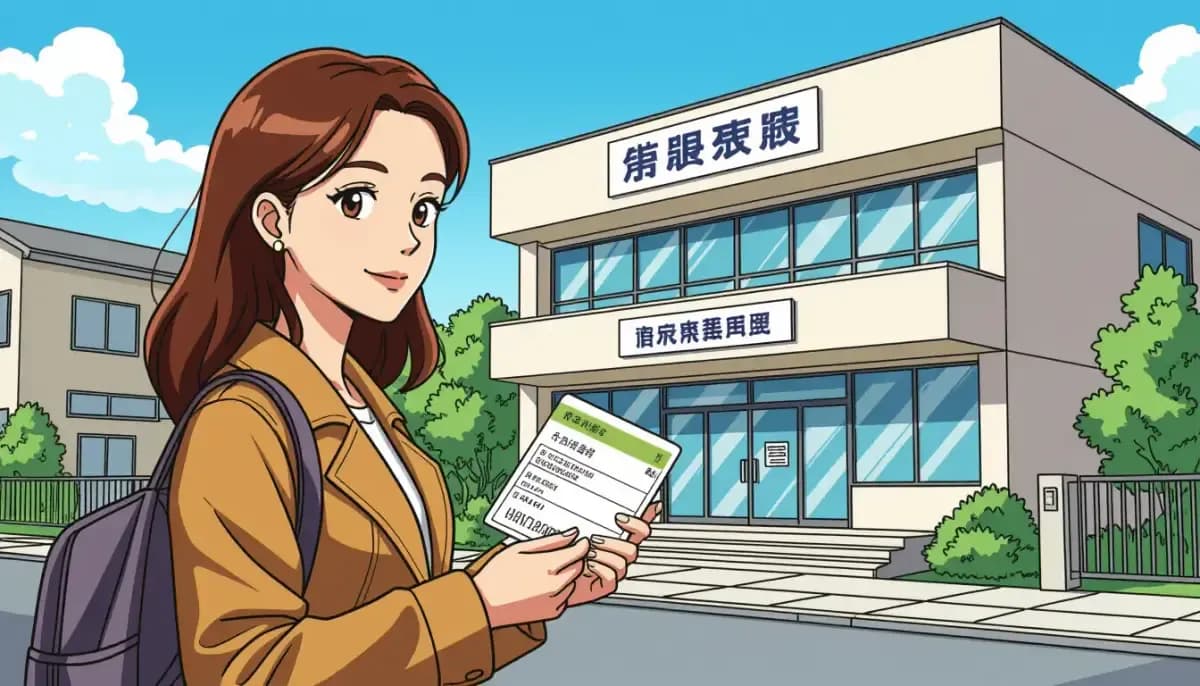
Learn how buying property in Japan affects your residency status. Explore visa options, step-by-step status change procedures, permanent residency requirements, and key rules for non-resident property owners.
Changing Your Residency Status After Buying Property in Japan
Buying property in Japan is an exciting milestone, but many foreign buyers are surprised to learn that owning real estate does not automatically change your immigration status. Japan's property ownership system and its immigration framework operate as entirely separate legal structures. Whether you're a long-term resident looking to upgrade your visa, a business owner seeking permanent residency, or a non-resident investor hoping to spend more time in your new home, understanding how to properly change your residency status is essential.
This guide explains the relationship between property ownership and residency status in Japan, walks you through the official procedures for changing your status of residence, and outlines which visa categories are most relevant for property owners. For more background on buying property as a foreigner, see our Complete Guide to Buying Property in Japan.
Does Buying Property in Japan Affect Your Residency Status?
The short answer is: not directly. One of the most common misconceptions among foreign buyers is that purchasing real estate in Japan will grant them a visa or residence permit. This is not the case.
Japan has no investor visa or golden visa program that ties property purchases to residency rights. The country's immigration laws are entirely activity-based — meaning your right to live in Japan depends on what you do (work, study, run a business, marry a Japanese national), not what you own.
That said, property ownership is not irrelevant to your immigration situation. In certain cases, owning property in Japan can:
- Strengthen a visa application by demonstrating long-term financial commitment to the country
- Support a Business Manager Visa if you operate the property as part of a legitimate commercial venture
- Provide stable housing documentation when applying for permanent residency or long-term visa renewals
For a broader overview of visa options, see our dedicated guide on Visa and Residency Considerations for Property Buyers in Japan.
Visa Categories Most Relevant to Property Owners
If you own property in Japan and want to increase your time in the country, here are the main visa types worth considering:
Work Visa
Work visas (Engineer/Specialist in Humanities/International Services, Skilled Labor, etc.) are the most common path for foreigners living in Japan. They are tied to employment, not property. However, if you own property and are also employed in Japan, your property can serve as a stable residential address — which immigration officials look favorably upon during renewals and status changes.
Work visas are typically issued for 1, 3, or 5 years and are renewable as long as employment continues.
Business Manager Visa
The Business Manager Visa is the most relevant option for property owners who want to use their real estate as part of a business. To qualify, you must:
- Have a minimum capital investment of 5 million yen (or hire at least 2 full-time Japanese employees)
- Operate a legitimate, legally registered business in Japan
- Have a physical office address (a home address may be acceptable under certain conditions)
This visa is renewable annually. After 5 years of continuous residence under a Business Manager Visa, you become eligible to apply for permanent residency. If you are managing rental properties as a registered business entity, this can be a viable path — but note that simply collecting rent from overseas without active business operations does not qualify.
Digital Nomad Visa
Japan launched a digital nomad visa in 2024. It allows remote workers to stay for up to 6 months (non-renewable). While useful for extended stays in your property, it does not provide a path to permanent residency and cannot be renewed.
Spouse / Dependent Visa
If you are married to a Japanese national or a permanent resident, you can apply for a Spouse or Family Stay visa. This is one of the most flexible visa categories — it allows work authorization and is renewable. Owning property together with your Japanese spouse can support your application by demonstrating integrated life circumstances.
Long-Term Resident Visa
This visa is typically granted to spouses of Japanese nationals after divorce, children of Japanese nationals, and people of Japanese descent (nikkeijin). It is not directly connected to property ownership but may be relevant to some buyers.
How to Change Your Status of Residence: Step-by-Step
If you are already in Japan and wish to change from one visa category to another, here is the standard procedure as outlined by Japan's Immigration Services Agency (ISA):
Step 1: Determine Your Target Status
Identify which status of residence you are applying for. Common changes include:
- Student → Engineer (after graduating and finding employment)
- Spouse visa → Business Manager (after starting a company)
- Short-term stay → Long-term status (not typically allowed — you usually must leave and re-enter)
Step 2: Gather Required Documents
Documents vary by target visa, but generally include:
| Document | Details |
|---|---|
| Application form | Available at regional immigration offices or the ISA website |
| Passport | Original + copy |
| Residence Card (在留カード) | Current card |
| ID photo | 4cm × 3cm, recent |
| Employment contract or business registration | Depends on visa type |
| Tax records / financial statements | For Business Manager, Permanent Residency |
| Certificate of residence (住民票) | From your local municipal office |
| Application fee | 4,000 yen (revenue stamp) |
Documents in a foreign language must be accompanied by a Japanese translation.
Step 3: Submit Application in Person
As a general rule, you must appear in person at the Regional Immigration Services Bureau (地方出入国在留管理局) in your area. In some cases, a legal representative (行政書士 or 弁護士) may submit on your behalf.
Major regional offices are located in:
- Tokyo (Shinagawa)
- Osaka
- Nagoya
- Fukuoka
- Sapporo
Step 4: Wait for a Decision
Processing times vary:
- Routine work visa changes: 2–4 weeks
- Business Manager Visa: 1–3 months
- Permanent Residency: 4–12 months (or longer)
If you submit your application before your current visa expires, you are permitted to remain in Japan until a decision is made or until 2 months after expiration — whichever comes first.
Step 5: Receive Updated Residence Card
Once approved, you will receive a new Residence Card (在留カード) reflecting your updated status. Update your address registration at your local ward office (区役所/市役所) if necessary.
Permanent Residency: The Long-Term Goal for Property Owners
Many long-term foreign residents in Japan aspire to obtain permanent residency (永住権), which offers the most stable immigration status and the greatest freedom to live and work in Japan without restrictions.
Key Requirements
- 10 years of continuous residence in Japan (reduced to 5 years if you hold a highly skilled professional visa, or 3 years in some exceptional cases)
- 3 or more years on your current visa status at the time of application
- Clean tax and social insurance payment record
- Sufficient assets or income to support yourself
- No criminal record
Why It Matters for Property Owners
Permanent residency dramatically improves your position as a property buyer:
- Most Japanese banks extend mortgage products on par with Japanese nationals
- Standard down payment requirements drop from 30%+ to 10–20%
- Major banks including Aeon Bank, Suruga Bank, and Tokyo Star Bank offer preferential loan terms for permanent residents
- You can refinance more easily and access better interest rates
See our guide on Mortgages and Home Loans for Foreigners in Japan for a full breakdown of financing options at each residency level.
Owning Property Without Living in Japan: What You Need to Know
Some foreign buyers purchase property in Japan as an investment or vacation home without intending to change their residency status. This is entirely legal, but comes with administrative responsibilities:
Tax Obligations
| Tax | Rate | Notes |
|---|---|---|
| Real Estate Acquisition Tax | ~4% | One-time, paid after purchase |
| Fixed Asset Tax | ~1.4% annually | Based on assessed property value |
| City Planning Tax | Up to 0.3% annually | Applies in urban planning areas |
| Income Tax on Rental Income | 20.42% withholding | Non-residents renting out property |
Designating a Domestic Contact
Non-resident property owners are required by law to designate a domestic point of contact (国内管理人) to receive tax notifications and official correspondence. Many foreign owners use a tax accountant or property management company for this purpose.
Upcoming Registry Changes
Japan has announced plans to require nationality disclosure in the property registry database starting in fiscal year 2026. This will enable the government to track foreign ownership patterns across the country. While this does not restrict ownership rights, property owners should be aware of this evolving regulatory environment.
Common Mistakes to Avoid
1. Assuming property ownership grants visa rights. It does not. Do not purchase property expecting it to automatically allow you to live in Japan. Plan your visa strategy separately and in advance.
2. Staying beyond your visa term. If your visa expires while your status change application is pending, you may stay for up to 2 months — but overstaying beyond that creates serious immigration violations that can result in deportation and future re-entry bans.
3. Not consulting an immigration lawyer for complex cases. Business Manager Visa applications and Permanent Residency applications are complex. A certified administrative scrivener (行政書士) or immigration lawyer can significantly improve your success rate.
4. Neglecting tax and registration obligations. Even if you live overseas, your Japanese property generates tax obligations. Failure to pay fixed asset tax, designate a domestic contact, or file required returns can result in penalties and complications when selling the property later.
Resources and Further Reading
For authoritative guidance on residency status procedures, consult the Japan Immigration Services Agency (ISA) and JETRO's HR Portal on Status of Residence.
For legal and practical context on owning property as a foreigner, Akiya Japan's Legal Toolkit guide is a useful overview. The MailMate guide on living in Japan after buying a house also covers key considerations for property owners seeking longer-term stays.
For mortgage-related implications of your residency status, see Gaijin Buy House's guide on foreigner mortgage applications, which details exactly how your visa status affects borrowing conditions.
For expat lifestyle and community resources in Japan, Living in Nihon and For Work in Japan are helpful general resources for foreigners navigating life in Japan.
Related guides on this blog:

Originally from Vietnam, living in Japan for 16+ years. Graduated from Nagoya University, with 11 years of professional experience at Japanese and international companies. Sharing information about buying property in Japan for foreigners.
View Profile →Related Articles
Zairyu Card (Residence Card) and Property Purchase in Japan
Learn how Japan's Zairyu Card (residence card) affects your ability to buy property, qualify for a mortgage, and complete legal procedures as a foreigner in Japan.
Read more →
Non-Resident and Absentee Ownership of Japan Property
Everything you need to know about owning property in Japan as a non-resident: legal rights, tax obligations, appointing a tax agent, property management options, and exit strategies for absentee owners.
Read more →
Japan Investor Visa and Real Estate: Is It Worth Pursuing?
Japan has no Golden Visa—property ownership alone grants no residency. Learn how the Business Manager Visa works, the 2025 rule changes (¥30M capital requirement), and whether real estate qualifies as a valid business model for living in Japan.
Read more →
Long-Term Resident Visa and Property Ownership in Japan
Complete guide to Japan's Long-Term Resident Visa (定住者) and its relationship to property ownership. Learn who qualifies, application steps, and how owning property can support your path to permanent residency in Japan.
Read more →
Highly Skilled Professional Visa and Japan Property Purchase
Learn how Japan's Highly Skilled Professional visa affects your ability to buy property and get a mortgage. HSP to PR fast-track, bank options, and mortgage tips for foreigners.
Read more →
Working Visa Holders Buying Property in Japan
Can working visa holders buy property in Japan? Yes — with no legal restrictions on foreign ownership. Learn mortgage requirements, down payment amounts, required documents, costs, and the step-by-step process for expats buying a home in Japan.
Read more →