
Property Staging and Marketing Guide for Japan Sellers

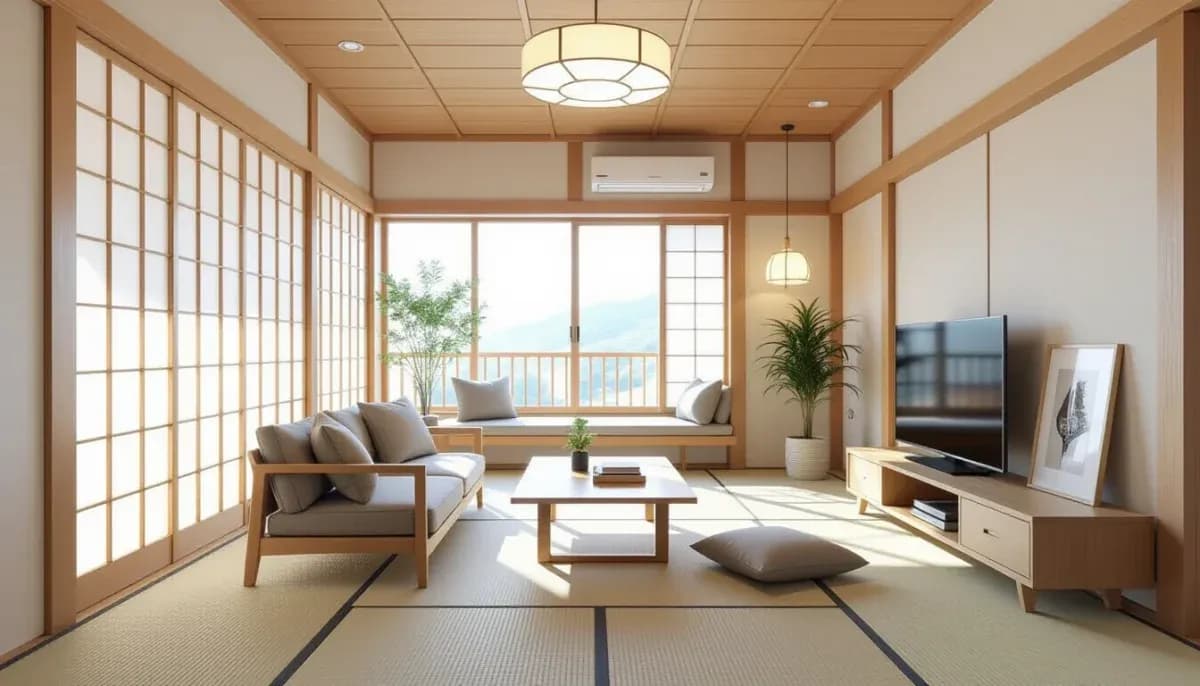
Complete guide to staging and marketing your property in Japan. Learn costs, staging tips, top marketing channels, timing strategies, and how to sell as a foreigner.
Property Staging and Marketing Guide for Japan Sellers
Selling a property in Japan requires more than just listing it online and waiting for buyers. In a competitive real estate market — especially in cities like Tokyo, Osaka, and Fukuoka — how you present and market your property can dramatically affect both your sale price and how quickly it sells. This guide covers everything foreign sellers need to know about property staging and marketing in Japan.
Whether you're an expat leaving Japan, an overseas investor liquidating assets, or a homeowner upgrading to a new property, understanding Japan's unique real estate marketing landscape will help you maximize your return.
What Is Property Staging and Why It Matters in Japan
Property staging is the process of preparing a home for sale by decluttering, cleaning, repairing, and furnishing it in a way that appeals to the broadest range of potential buyers. While staging has long been standard practice in Western real estate markets, it remains relatively new in Japan — and that's actually an opportunity for sellers willing to invest in it.
According to data from the Japan Home Staging Association's 2024 survey, staging has a measurable impact:
- 30% of staged properties sold within one month of listing
- 70% of staged properties sold within two months
- 43.3% of real estate professionals reported higher buyer conversion rates after property viewings when the property was staged
- Home staging cases in Tokyo increased by 7.1% year-on-year, reflecting growing awareness
Internationally, research shows staged homes sell 5–7 times faster than unstaged properties, and more than half of realtors report selling price increases of up to 15% for staged homes. In Japan's market — where buyers are increasingly sophisticated — these advantages are becoming ever more relevant.
For more context on the Japanese property market and pricing trends, see our Japan Real Estate Market Overview and Trends.
Understanding the Japanese Buyer's Mindset
Before diving into staging tactics, it's essential to understand what Japanese buyers prioritize. Japanese real estate culture has some unique characteristics:
Cleanliness and condition are paramount. Japanese buyers tend to be extremely detail-oriented. Even minor scuffs, stains, or signs of deferred maintenance will cause concern. A spotlessly clean property signals that it was well cared for.
Space efficiency matters. Japan is known for compact living spaces. Buyers want to see how the space can be used effectively. Overfurnished or cluttered rooms feel even smaller — minimalist staging works best.
Natural light is highly valued. Properties that allow maximum natural light are more appealing. Remove heavy curtains, clean windows thoroughly, and consider the time of day when scheduling showings.
Neutral aesthetics are preferred. Bold personal décor can make it hard for buyers to visualize themselves in the space. Neutral colors and simple furnishings tend to appeal to the widest audience.
Foreign buyer appeal. In certain markets (especially Tokyo and Niseko), foreign investors are active buyers. These buyers may prioritize different features — larger spaces, premium finishes, proximity to international schools — so your staging strategy should account for your target buyer.
How to Stage Your Property for the Japanese Market
Step 1: Deep Clean and Declutter
This is non-negotiable. In Japan, a dirty or cluttered property is a deal-breaker. Before any staging begins:
- Remove all personal items, family photos, and excess furniture
- Deep clean every surface including inside closets, cabinets, and appliances
- Address any odors (cigarette smoke, pets, mold) — these are major red flags for Japanese buyers
- Repair all minor issues: scuffed walls, leaky faucets, broken fixtures, squeaky doors
Step 2: Neutralize the Space
- Repaint walls in neutral white or off-white tones if they are heavily marked or in strong colors
- Replace or clean tatami mats if present
- Ensure flooring is in good condition — polished wooden floors or clean tile perform well
Step 3: Strategic Furniture Placement
- Use minimal, clean-lined furniture that doesn't overcrowd the room
- Highlight storage solutions — built-in storage is highly valued in Japan
- Position furniture to maximize the sense of space
- Add simple décor items: a few plants, quality towels in the bathroom, and neutral bedding
Step 4: Exterior and Entrance Appeal
Japan's real estate culture places strong emphasis on the entrance (genkan) and exterior presentation:
- Ensure the entrance is immaculate — clean flooring, organized shoe storage, good lighting
- Power wash exterior walls and clean windows
- Maintain the garden or balcony — even a small, well-maintained outdoor space adds significant appeal
Professional Home Staging Services in Japan
If you don't want to DIY your staging, professional services are available — particularly in Tokyo and other major cities.
| Provider | Services | Cost Range |
|---|---|---|
| Home Staging Japan | Basic to full-service packages | ¥30,000–¥300,000/month |
| Japan Home Staging Association | Multilingual (English, Japanese, Mandarin, Korean, German, Italian) | Varies by project |
| Real estate agency staging | Often included or discounted for agency clients | Negotiable |
| Virtual staging | Digital furniture overlay for listing photos | ¥5,000–¥30,000 per image |
Basic home staging starts at approximately ¥30,000 per month, while comprehensive high-end staging can run ¥150,000–¥300,000 per month, or 1–2% of the property's sale price. Given the potential return in faster sale time and higher prices, professional staging typically pays for itself.
For properties targeting foreign buyers, multilingual staging consultants who understand international aesthetic preferences can be particularly valuable.
Marketing Your Property in Japan: Key Channels
Once your property is staged and photographed, you need to ensure it reaches the right buyers. Japan has a distinct real estate marketing ecosystem:
Domestic Japanese Portals
| Platform | Audience | Best For |
|---|---|---|
| SUUMO (suumo.jp) | Japanese buyers and renters | All property types |
| Homes.co.jp | Japanese buyers | Apartments and houses |
| AtHome (athome.co.jp) | Japanese buyers | Wide coverage |
| REINS (MLS) | Agent-to-agent listings | Reaching all agents |
SUUMO, Homes.co.jp, and AtHome are the three dominant portals for reaching domestic Japanese buyers. Your real estate agent will typically list on all three simultaneously. The REINS system (Japan's equivalent of MLS) ensures that all registered real estate agents can find and show your property to their clients.
International and Expat-Focused Platforms
For properties with international appeal, additional marketing channels matter:
- Japan Property (japan-property.jp): English-language listings for international buyers
- Rethink Tokyo (rethinktokyo.com): Expat-focused Tokyo real estate information and listings
- Old Houses Japan (oldhousesjapan.com): Ideal for akiya (vacant rural properties) and traditional homes
- International real estate networks: Sotheby's International, JLL, and CBRE for luxury properties
- Social media and expat groups: Facebook groups, LinkedIn, and expat community forums
Professional Photography and Virtual Tours
High-quality photography is essential. Japanese real estate buyers rely heavily on listing photos when shortlisting properties. Poor photos will significantly reduce inquiry rates, regardless of your property's actual quality.
Invest in:
- Professional wide-angle photography that shows room size accurately
- Natural light photography (schedule shoots for morning or early afternoon)
- Virtual tours (360° or video walkthroughs), which have become increasingly popular post-pandemic
- Drone photography for properties with land, gardens, or exceptional views
For international buyer marketing, English-language descriptions alongside Japanese text are highly recommended.
Timing Your Sale: When to List in Japan
Timing matters significantly in Japan's property market. Understanding the seasonal patterns can help you list at the optimal moment:
Peak Selling Seasons:
- February–March: Japan's largest property transaction peak. Many corporate employees receive job transfers (辞令) effective April 1st, driving both buying and selling activity.
- August–September: A secondary peak as families plan moves before the new school semester.
Slower Periods:
- May–June (Golden Week period creates disruption)
- December–January (year-end slowdown)
Listing your property in January for a February peak, or in July for a September peak, typically maximizes buyer competition and can positively impact sale price.
Pricing Strategy for Japanese Sellers
Staging and marketing will only work if your pricing strategy is aligned with market realities. Key considerations:
Get a proper valuation. Obtain at least 2–3 valuations from different licensed real estate agents (不動産鑑定士 or 宅地建物取引士). This gives you a realistic range and protects you from underpricing.
Understand depreciation. Japanese properties — particularly wood-frame houses — depreciate significantly over time. A 30-year-old wooden house may have near-zero structural value on paper, with land value being the primary component.
Price for negotiation. Japanese buyers typically negotiate, but not by large amounts. A 3–5% negotiating margin built into your asking price is reasonable.
Consider the competition. Your agent's access to REINS data will show comparable recent transactions. Use this data to benchmark your pricing realistically.
For a complete breakdown of taxes and costs that affect your net proceeds, see our detailed guide on Property Taxes and Annual Costs of Owning Property in Japan.
Choosing the Right Real Estate Agent
Your choice of agent is critical to successful staging and marketing execution. For foreign sellers, key criteria include:
- Bilingual capability: English-Japanese (minimum), or additional languages if targeting specific buyer demographics
- Track record with foreign sellers: Ask for references or case studies
- Marketing reach: Do they list on SUUMO, Homes.co.jp, and international platforms?
- Staging support: Some agencies offer complimentary staging consultations or discounted professional staging services for their clients
- Transparent fee structure: Standard real estate commission in Japan is capped at 3% + ¥60,000 + consumption tax (for transactions over ¥4 million)
For the full property selling process from listing to contract to settlement, see our comprehensive Selling Property in Japan as a Foreigner: Complete Guide.
Selling from Abroad: Remote Property Marketing
One important reality for many foreign sellers: you may not be physically present in Japan during the sale process. The good news is that selling remotely is entirely feasible.
Key requirements for remote selling:
- Power of Attorney (委任状): A legally authorized representative can sign documents on your behalf. Your real estate agent or a Japanese attorney can serve in this capacity.
- Digital communication: Most agents now conduct buyer showings and negotiations remotely with seller updates via email or video call
- Remote document signing: While some documents require original signatures, many preparatory steps can be handled digitally
- Bank account: You'll need either a Japanese bank account or arrangements for international wire transfer of proceeds
For detailed guidance on managing Japanese property from overseas, see our guide on Property Management for Overseas Owners in Japan.
Common Mistakes Foreign Sellers Make
Avoid these frequent pitfalls:
- Skipping staging: Even basic cleaning and decluttering dramatically improves buyer perception. Don't skip this step.
- Poor photography: Smartphone photos are not sufficient for competitive listings. Always use professional photography.
- Overpricing based on purchase price: The Japanese market has depreciation realities. Price based on current market data, not what you originally paid.
- Choosing an agent based on highest valuation: Some agents quote high prices to win the listing, then recommend price reductions after months on market. Choose based on track record and marketing capability.
- Ignoring legal and tax obligations: Capital gains tax obligations for non-residents and withholding tax requirements must be understood before closing. See our guide on Legal Procedures and Documentation for Japan Property Purchase for relevant legal context.
- Limiting marketing to Japanese portals only: If your property has international appeal, failing to market internationally can mean missing your ideal buyer.
Resources and Expert Guidance
For additional information and professional support with selling your property in Japan:
- Living in Nihon — Property Purchase and Mortgage Guide for Foreigners — comprehensive resource on Japanese property for foreign residents
- For Work in Japan — Housing and Living Infrastructure Guide — practical guide to housing in Japan for foreigners
- Gaijin Buy House — Complete Selling Guide for Foreigners — dedicated resource for foreigners selling Japanese property
- Rethink Tokyo — Home Staging Services in Tokyo — directory of professional staging services
- PLAZA HOMES — Selling Property in Tokyo — bilingual full-service real estate agency
Conclusion: Staging and Marketing as a Competitive Advantage
In Japan's increasingly competitive real estate market, well-staged and professionally marketed properties consistently outperform unstaged listings — selling faster and at higher prices. For foreign sellers who may be less familiar with local buyer expectations, investing time and budget in proper staging and multi-channel marketing is one of the highest-ROI steps you can take.
The good news is that staging costs in Japan are moderate relative to potential gains, professional bilingual services are available in major cities, and the selling process — even from abroad — is manageable with the right agent and legal setup.
Start your property sale with a clean, well-presented, professionally photographed home listed on the right platforms, priced accurately for the current market, and timed for peak buyer seasons. This combination gives you the best possible foundation for a successful sale.
For a complete overview of everything involved in selling your Japanese property, visit our Selling Property in Japan as a Foreigner: Complete Guide.

Originally from Vietnam, living in Japan for 16+ years. Graduated from Nagoya University, with 11 years of professional experience at Japanese and international companies. Sharing information about buying property in Japan for foreigners.
View Profile →Related Articles
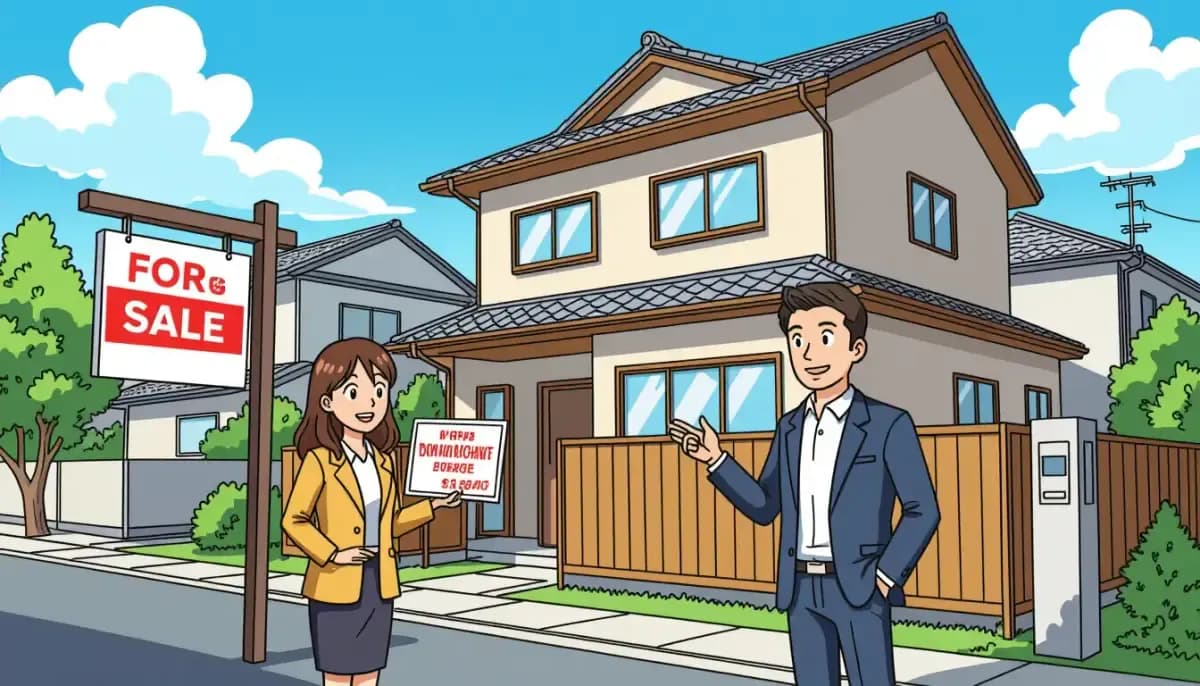
Common Mistakes When Selling Property in Japan to Avoid
Avoid costly errors when selling property in Japan as a foreigner. Learn about withholding tax traps, capital gains planning, required documents, agent selection, and more in this complete guide.
Read more →
Japan Property Market Conditions and Selling Strategies
Comprehensive guide to Japan property market conditions in 2025 and selling strategies for foreign owners. Covers Tokyo prices, tax implications, remote selling, and marketing channels.
Read more →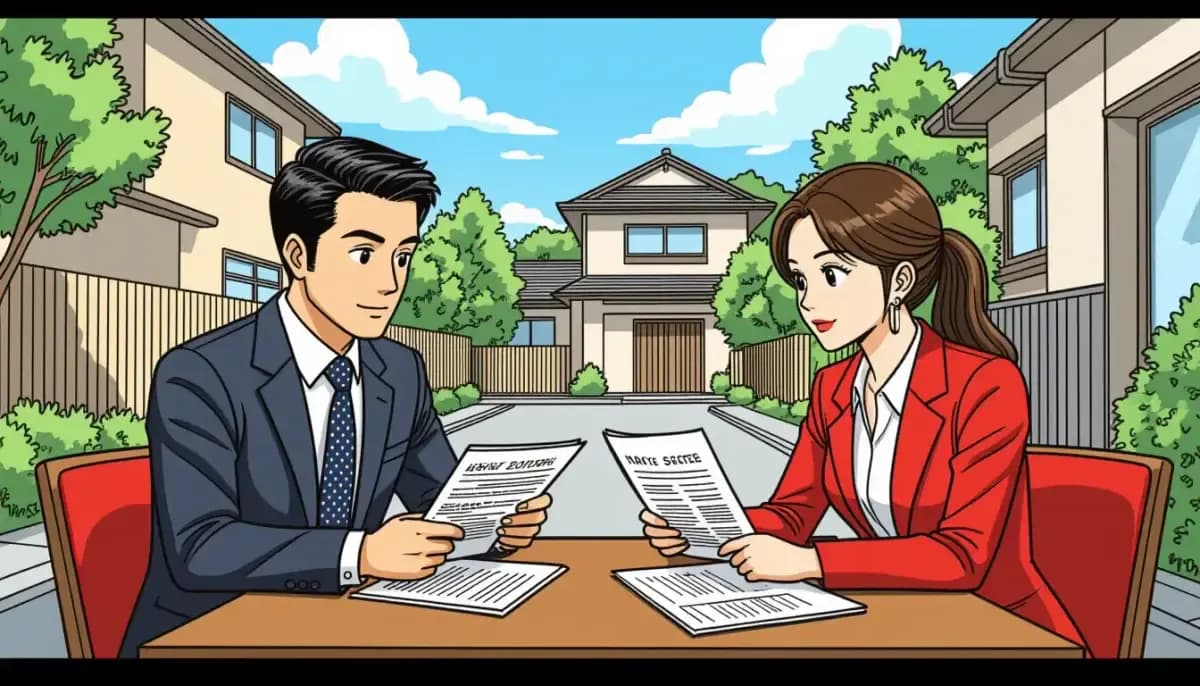
Selling Japan Property to Another Foreigner: What to Know
Learn how to sell Japan property to another foreigner: capital gains tax rates, required documents for non-residents, agent commissions, and how to sell from overseas with power of attorney.
Read more →
Japan Property Sale Closing and Settlement Process
A complete guide to the Japan property sale closing and settlement process, including the judicial scrivener role, closing costs, capital gains tax, and special steps for foreign buyers and sellers.
Read more →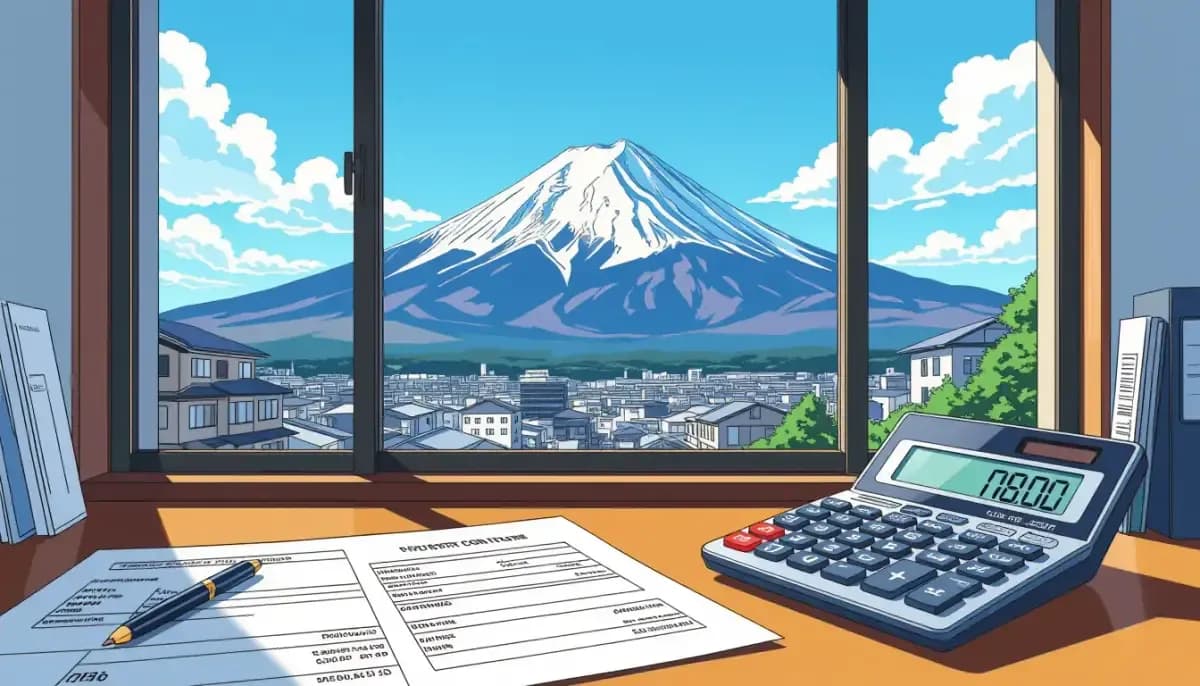
Tax Deductions and Exemptions When Selling Property in Japan
Complete guide to tax deductions and exemptions when selling property in Japan. Learn about the ¥30 million primary residence deduction, capital gains tax rates, non-resident withholding rules, and how to maximize your savings as a foreign seller.
Read more →
Japan Property Sale Contract (Baibai Keiyaku) Explained
Learn everything about Japan's Baibai Keiyaku property sale contract: what it covers, the tetsukekin deposit rules, key clauses, the Jūyō Jikō Setsumei process, and special rules for foreign buyers and sellers.
Read more →