
Selling Japan Property to Another Foreigner: What to Know

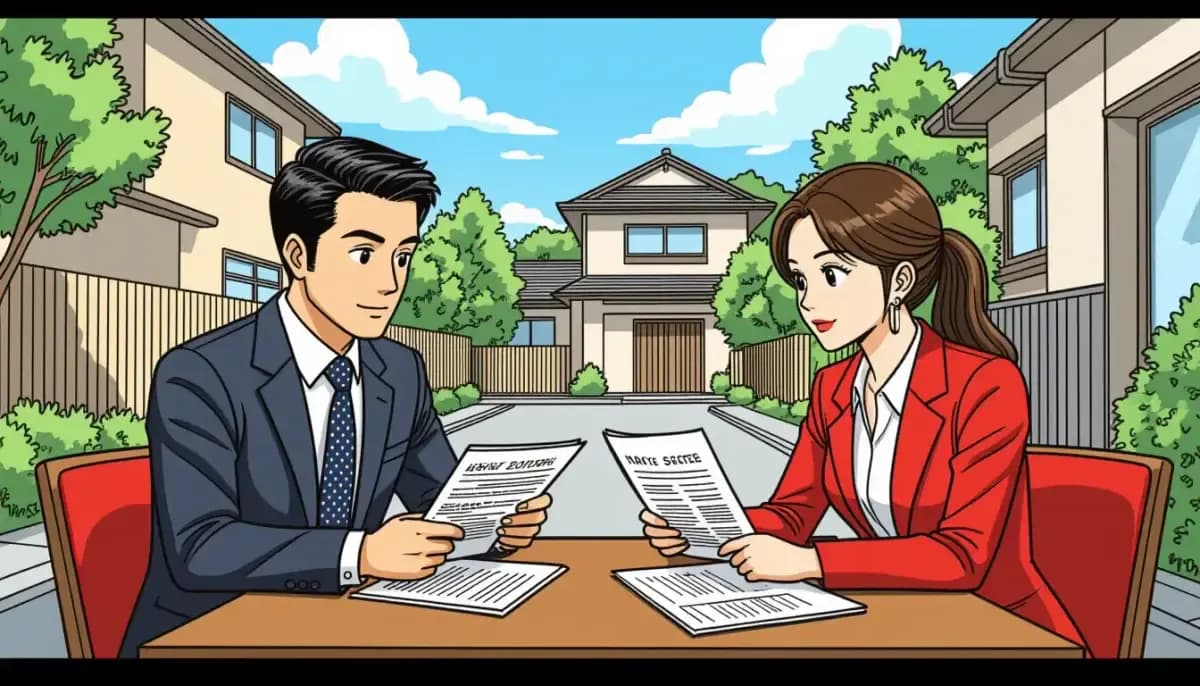
Learn how to sell Japan property to another foreigner: capital gains tax rates, required documents for non-residents, agent commissions, and how to sell from overseas with power of attorney.
Selling Japan Property to Another Foreigner: What to Know
If you own property in Japan and are considering selling it to another foreign national, you may be wondering whether there are special rules, added complications, or restrictions that apply. The good news is that Japan places no restrictions on property ownership or transfer based on nationality — a foreigner can sell to another foreigner just as they would sell to a Japanese buyer. However, the practical and tax-related steps of the transaction deserve careful attention, especially for non-resident sellers.
This guide covers everything you need to know about selling Japan property to another foreigner: legal eligibility, tax obligations, required documents, agent roles, and how to manage the entire process from abroad if necessary.
Is It Legal for Foreigners to Sell Japan Property to Other Foreigners?
Yes — completely and without restriction. Japan's real estate laws do not differentiate between the nationality of the buyer or the seller. A foreign national who owns property in Japan has the full legal right to sell that property to anyone: a Japanese citizen, a permanent resident, a foreign national living in Japan, or even a foreign buyer based overseas.
There are no government approvals, special permits, or foreigner-to-foreigner sale restrictions. The only procedural requirements are the same standard steps that apply to any property sale in Japan.
For general background on how foreigners acquire property in Japan, see our guide on Can Foreigners Buy Property in Japan?.
The one recent policy change worth noting: since 2024, foreign nationals without Japanese residency must register a domestic contact address in the property registry at the time of transfer. This is an administrative requirement, not a restriction on the transaction itself.
Understanding Capital Gains Tax When Selling as a Foreigner
Capital gains tax is the most significant financial consideration for any seller, and understanding how it applies to your situation — resident vs. non-resident, short-term vs. long-term holding — is critical.
Short-Term vs. Long-Term Capital Gains
Japan distinguishes between short-term and long-term capital gains on real estate:
| Holding Period | Tax Rate (Residents) | Tax Rate (Non-Residents) |
|---|---|---|
| 5 years or less (short-term) | 39.63% | 39.63% |
| More than 5 years (long-term) | 20.315% | 15.315% national only* |
| 10+ years (primary residence, long-term) | ~14% on gains up to ¥60M | Not applicable if non-resident |
*Non-residents do not owe local inhabitant tax (住民税) if they have no Japan address on January 1 of the year following the sale.
The holding period is calculated from January 1 of the year following acquisition to January 1 of the year of sale.
The ¥30 Million Primary Residence Deduction
If the property you are selling was your primary residence in Japan, you may be eligible to exclude up to ¥30 million in capital gains from taxation. This is one of the most valuable tax relief tools available to sellers.
To qualify, the property must have been your primary place of residence (not a rental or investment property), and you must not have used this deduction in the past two years.
Withholding Tax for Large Transactions
When the transaction exceeds ¥100 million, or when the property has been used commercially, or when the buyer is a corporation, a 10.21% withholding tax is deducted from the gross sale price by the purchasing party at closing. This amount is not a final tax — it can be reclaimed or offset through a tax return filed between February 16 and March 15 of the following year.
For a thorough overview of ongoing tax obligations as a property owner, see Property Taxes and Annual Costs of Owning Property in Japan.
Required Documents for Non-Resident Foreign Sellers
Selling Japan property as a non-resident involves extra document preparation because Japan's standard sale process assumes the parties are present and hold a registered seal (実印). Non-residents must substitute several of these requirements with internationally recognized equivalents.
Core Documents Needed
- Power of Attorney (委任状): Authorizes a trusted person or agent in Japan to sign contracts and complete the transaction on your behalf. This is essential if you will not be physically present in Japan for the closing.
- Affidavit of Signature (署名証明書): Replaces Japan's registered seal. Must be notarized at the Japanese embassy or consulate in your country of residence, or through a local notary public with an apostille certificate or consular legalization.
- Proof of Current Address (住所証明書): A government-issued document (such as a residence certificate or municipal record) confirming your overseas address. Embassy certification may be required.
- Title deed and registration documents: Your original property registration information, confirming ownership.
If you purchased the property before July 2012, you may also need a copy of your old Alien Registration Card, which can be obtained from Japan's Immigration Services Agency (processing time: up to 30 days).
All documents submitted in Japan must be in Japanese or accompanied by certified Japanese translations.
The Role of Real Estate Agents and Legal Professionals
Working with the right professionals makes a foreigner-to-foreigner property transaction significantly smoother. Here is who you typically need:
Real Estate Agent (不動産業者)
A licensed real estate agent handles listing the property, marketing it, showing it to prospective buyers, and managing negotiations. By law, agent commissions are capped at:
(Sale Price × 3% + ¥60,000) × 1.10 (consumption tax)
This applies to properties over ¥4 million. Example commission rates:
| Sale Price | Approximate Agent Commission |
|---|---|
| ¥25,000,000 | ~¥891,000 |
| ¥50,000,000 | ~¥1,716,000 |
| ¥100,000,000 | ~¥3,366,000 |
If you are selling to an overseas buyer, a bilingual agent is strongly recommended. They can communicate with both parties in their native languages, handle paperwork, and explain cultural and legal expectations on both sides.
Judicial Scrivener (司法書士)
A judicial scrivener (司法書士) handles the formal legal transfer of ownership — specifically, the property registration update at the Legal Affairs Bureau. Fees typically range from ¥10,000 to ¥20,000. While not legally mandatory for the seller to hire independently (the buyer often arranges this), their involvement is strongly recommended.
Tax Management Representative (納税管理人)
Non-resident sellers must appoint a tax management representative — a person based in Japan who can receive tax notices and file returns on their behalf. This is a legal requirement under Japan's tax law and must be registered with the relevant tax office before or at the time of the property transfer.
For more on the legal paperwork involved in property transactions, see Legal Procedures and Documentation for Japan Property Purchase.
How the Sale Process Works: A Step-by-Step Overview
Whether the buyer is a foreigner or Japanese national, the general sale process follows these stages:
- Appoint a real estate agent — Sign a mediation contract (媒介契約). Exclusive or non-exclusive; 3-month standard term.
- Property inspection and disclosure — Prepare a disclosure statement (重要事項説明書) detailing the property's legal status, zoning, structure, and any encumbrances.
- Listing and marketing — The agent lists on REINS (Japan's real estate database) and other platforms.
- Receive offers and negotiate — The agent mediates between buyer and seller on price and conditions.
- Sign the Sale and Purchase Agreement (売買契約書) — Buyer pays a deposit (手付金), typically 5–10% of the purchase price.
- Complete due diligence and financing — Buyer arranges financing if needed. Buyers who are foreigners may have limited mortgage access; many pay in cash.
- Closing (引き渡し) — Full payment is transferred, keys are handed over, and ownership is registered. The seller's mortgage (if any) is cancelled.
The typical timeline from listing to closing is 3 to 6 months. Approximately 76% of homes sell within 6 months; around 20% receive offers within the first 2–3 months. If no offers arrive within 2 weeks, consider reducing the asking price by around 5%.
For more on the buyer's experience of this same process, see Step-by-Step Home Buying Process in Japan for Foreigners.
Additional Costs to Budget For
Beyond the agent commission and taxes, sellers should budget for the following:
| Cost Item | Estimated Amount |
|---|---|
| Stamp duty (印紙税) — ¥10M–¥50M sale | ¥10,000 |
| Stamp duty — ¥50M–¥100M sale | ¥30,000 |
| Judicial scrivener fee | ¥10,000–¥20,000 |
| Mortgage cancellation registration tax | ¥1,000 |
| Professional cleaning (optional) | ¥50,000+ |
| Translation fees (if needed) | Variable |
| Tax management representative (if non-resident) | Variable |
Selling Japan Property from Overseas
One of the most practical questions non-resident sellers ask is whether they need to travel to Japan to complete the sale. The answer is no — provided you arrange the proper documentation in advance.
With a properly executed Power of Attorney, your authorized representative can sign the sale contract and complete the closing on your behalf. The key requirements are:
- Power of Attorney notarized at a Japanese embassy/consulate in your country, or with an apostille
- Affidavit of Signature certified by the same channels
- A trusted, bilingual agent in Japan who can manage the process and communicate with you remotely
- A tax management representative registered before the transfer
It is advisable to start document preparation at least 2–3 months before the planned listing date, as embassy appointments and document certification can take time.
For a broader look at market conditions that may affect your sale timing, see Japan Real Estate Market Overview and Trends.
Finding the Right Buyer: Foreigners vs. Japanese Buyers
When selling to another foreigner specifically, there are a few practical nuances to be aware of:
Language and communication: Ensure all contracts and disclosure documents are available in English (or the buyer's language) as well as Japanese. The Japanese version is legally binding, but providing translations helps avoid misunderstandings.
Financing expectations: Foreign buyers without permanent residency in Japan often cannot access Japanese bank mortgages. Be prepared for buyers to require longer due diligence periods or to be purchasing in cash. This can actually speed up closings since no bank approval is needed.
Cultural expectations: Japan's real estate transaction culture differs from many Western countries — formality is high, and contract renegotiation after signing is uncommon. A bilingual agent can help set expectations on both sides.
Property registration: As noted above, since 2024, foreign buyers without Japanese residency must register a domestic contact address in the property registry. Your agent or the buyer's judicial scrivener will handle this at closing.
For resources on what foreign buyers typically look for in Japan property, Living in Nihon and For Work in Japan offer helpful guides on expat life and practical relocation considerations in Japan.
Tax Filing After the Sale
If you are a non-resident seller, you must file a Japanese income tax return to report the sale. The filing window is February 16 to March 15 of the year following the sale.
Key steps:
- Your tax management representative files on your behalf
- Report the gain (sale price minus acquisition cost, improvement costs, and selling expenses)
- Apply any applicable deductions (e.g., ¥30M primary residence deduction)
- Pay any remaining tax owed, or claim a refund if too much withholding tax was deducted
If you used the property as a rental, the tax situation may be more complex and professional tax advice is recommended. Gaijin Buy House has an excellent comparison of the tax implications of selling versus renting when leaving Japan.
For a complete breakdown of the buying costs that your foreign buyer will be incurring, see Hidden Costs and Fees When Buying Property in Japan.
Conclusion
Selling Japan property to another foreigner is legally straightforward — there are no nationality-based restrictions on the transaction. The key challenges are tax planning (especially capital gains tax and the withholding tax on large transactions), document preparation for non-residents, and finding the right professionals to represent you locally if you are based overseas.
With a knowledgeable bilingual agent, a judicial scrivener, and a tax management representative, the process can be completed efficiently — even from the other side of the world. Start early, get your documents certified in advance, and clarify the tax situation with a Japan-based tax professional before listing.
For more detailed guidance on buying and owning property in Japan, explore our Complete Guide to Buying Property in Japan as a Foreigner.
For a practical overview of the sale process with cost breakdowns, E-Housing's 2025 guide to selling property in Japan is a comprehensive reference. If you are managing the sale from abroad, Wagaya Japan's guide to selling while living overseas covers the remote sale workflow in detail.

Originally from Vietnam, living in Japan for 16+ years. Graduated from Nagoya University, with 11 years of professional experience at Japanese and international companies. Sharing information about buying property in Japan for foreigners.
View Profile →Related Articles
Common Mistakes When Selling Property in Japan to Avoid
Avoid costly errors when selling property in Japan as a foreigner. Learn about withholding tax traps, capital gains planning, required documents, agent selection, and more in this complete guide.
Read more →
Japan Property Market Conditions and Selling Strategies
Comprehensive guide to Japan property market conditions in 2025 and selling strategies for foreign owners. Covers Tokyo prices, tax implications, remote selling, and marketing channels.
Read more →
Japan Property Sale Closing and Settlement Process
A complete guide to the Japan property sale closing and settlement process, including the judicial scrivener role, closing costs, capital gains tax, and special steps for foreign buyers and sellers.
Read more →
Tax Deductions and Exemptions When Selling Property in Japan
Complete guide to tax deductions and exemptions when selling property in Japan. Learn about the ¥30 million primary residence deduction, capital gains tax rates, non-resident withholding rules, and how to maximize your savings as a foreign seller.
Read more →
Japan Property Sale Contract (Baibai Keiyaku) Explained
Learn everything about Japan's Baibai Keiyaku property sale contract: what it covers, the tetsukekin deposit rules, key clauses, the Jūyō Jikō Setsumei process, and special rules for foreign buyers and sellers.
Read more →
Selling Japan Property from Overseas: Remote Seller Guide
Complete guide to selling Japanese property remotely from overseas. Learn about Power of Attorney, required documents, capital gains tax rates, withholding tax, timelines, and how to transfer proceeds abroad as a non-resident foreign seller.
Read more →