
Does Buying Property in Japan Give You Residency?

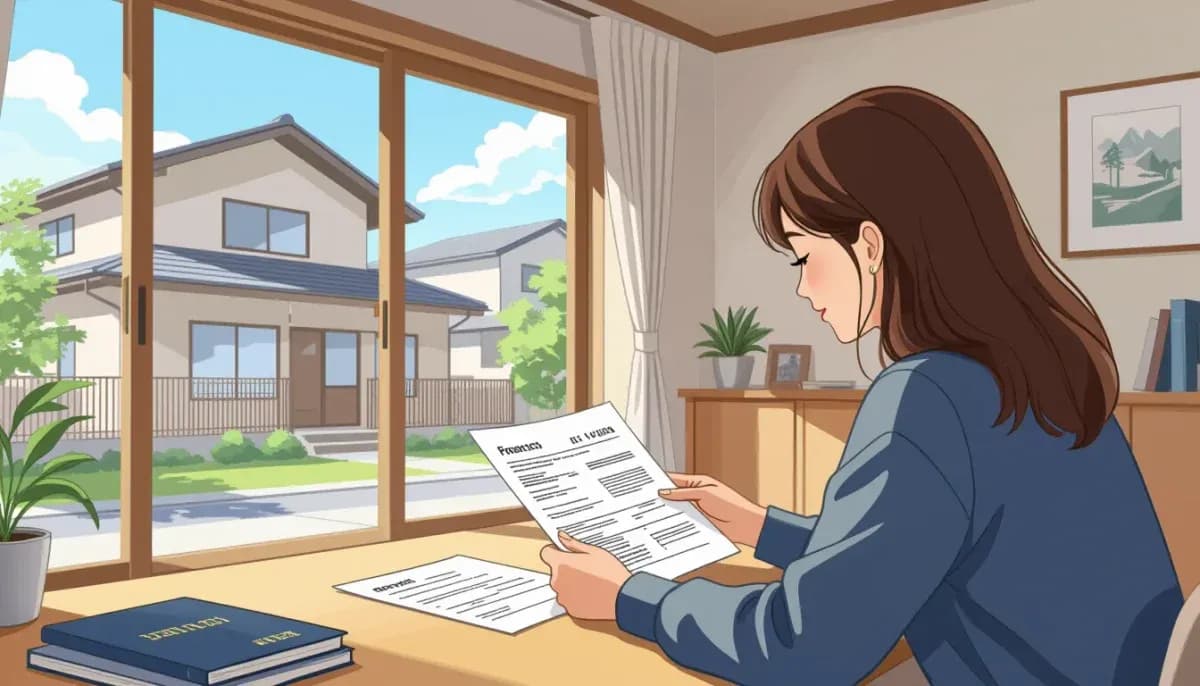
Buying property in Japan does NOT give you residency or a visa. Learn exactly what property ownership means for your immigration rights, what visa pathways exist, and how property can indirectly support your goal of living in Japan long-term.
Does Buying Property in Japan Give You Residency?
One of the most common questions foreigners ask when exploring Japanese real estate is whether purchasing property automatically grants them the right to live there. The short answer is no — buying property in Japan does not give you residency or a visa. However, the full picture is more nuanced, and understanding Japan's immigration framework alongside property ownership can help you make smarter long-term plans.
In this guide, we break down exactly what property ownership means for your residency rights, what visa pathways are available, and how smart property strategies can indirectly support your goal of living in Japan.
The Hard Truth: Japan Has No "Golden Visa" Program
Unlike countries like Portugal, Greece, or the UAE, Japan does not offer a golden visa or investment visa tied to real estate purchases. In these countries, spending a certain amount on property automatically qualifies you for residency. Japan explicitly does not have this system.
All Japanese visas are "activity-based" — meaning immigration authorities grant residency status based on what you do in Japan (work, study, run a business, be married to a Japanese citizen), not what you own. No matter how expensive or how many properties you purchase, that ownership alone will never trigger a visa approval.
This is a critical point often misunderstood by foreign buyers excited about Japan's relatively open property market. You can legally buy land and buildings in Japan as a foreigner — but the right to live there is entirely separate.
For a broader look at your rights as a foreign buyer, see our guide: Can Foreigners Buy Property in Japan? Legal Rights and Restrictions.
What Does Property Ownership Actually Give You?
While property ownership won't grant residency, it does offer real benefits:
| Benefit | Details |
|---|---|
| Full legal ownership | Foreigners own land and buildings outright, same as Japanese nationals |
| Investment returns | Rental income possible; Japan's property market is stable and rising |
| Vacation use | You can visit and use the property within your tourist visa allowance |
| Supporting evidence for PR | Property shows commitment and financial ties to Japan |
| Business visa pathway | Convert property into a hospitality business to qualify for a business visa |
You can enter Japan on a tourist visa (typically 90 days, up to 180 days per 12-month period) and use your property during that time. If you want to stay longer, you'll need to qualify for a longer-term visa category.
For non-residents, there are also tax obligations to be aware of: a real estate acquisition tax of approximately 4% of assessed value, a fixed asset tax of about 1.4% annually, and a city planning tax of up to 0.3% per year. Non-residents must also appoint a tax representative in Japan to handle official notifications. Learn more at our Property Taxes and Annual Costs guide.
Visa Options for Foreigners Who Own Property in Japan
If you want to live in Japan long-term, here are the main visa pathways available. Property ownership can play a supporting role in several of these.
Work Visa
The most common path for long-term residence. Requires a Japanese employer to sponsor you. Valid for 1–5 years and renewable. Property ownership is not required, but having stable housing can strengthen dependent visa applications for family members.
Spouse or Dependent Visa
If you are married to a Japanese national or a long-term resident, you can obtain a spouse or dependent visa (6 months to 5 years, renewable). Owning a family home in Japan positively supports these applications.
Business Manager Visa (Investor Visa)
This is the closest thing to a property-linked visa in Japan. If you convert your property into a legitimate business — such as a guesthouse, vacation rental (minpaku), or real estate management company — you may qualify for the Business Manager Visa.
Important 2025 update: The Business Manager Visa requirements were significantly tightened. Starting October 2025, applicants need:
- Capital of at least ¥30 million (raised from ¥5 million)
- At least 1 full-time local employee
- Japanese language proficiency at JLPT N2 (B2 level)
Despite stricter requirements, this visa remains popular. As of 2024, approximately 41,600 people hold Business Manager visas in Japan — an 11% increase year-over-year — with Chinese nationals making up the majority of holders.
Highly Skilled Professional Visa
Japan's points-based visa system for highly educated professionals. Applicants scoring 70+ points qualify after just 3 years; those scoring 80+ can apply for permanent residency after only 1 year. While property ownership isn't a scoring factor, this is one of the fastest PR pathways.
Permanent Residency (PR)
The standard path to permanent residency requires 10 continuous years of legal residence in Japan, with at least 5 of those years on a stable visa (work, spouse, etc.). Property ownership can strengthen your PR application as supporting evidence of long-term commitment, financial stability, and ties to Japan — but it doesn't replace any other requirement.
For deeper information on visa considerations tied to property, see: Visa and Residency Considerations for Property Buyers in Japan.
How Property Ownership Can Indirectly Help Your Residency Case
Think of property as a tool, not a ticket. While it won't open doors on its own, strategic ownership can strengthen multiple parts of your immigration journey:
For Permanent Residency Applications: When you apply for PR, immigration officials evaluate your ties to Japan and financial stability. A property deed demonstrates that you've invested seriously in Japan's future — this can be compelling supporting evidence alongside your tax records and years of residence.
For Business Manager Visa Applications: If you purchase a property and legally convert it into a minpaku (short-term rental under Japan's Minpaku Law) or a full guesthouse, this forms the basis of a legitimate business operation. You'll need proper registration, compliance with local regulations, and the new ¥30M capital threshold, but this is one of the few genuine pathways from property to residency.
For Family Visa Applications: Having stable, owned housing in Japan (rather than renting) can strengthen applications for bringing dependents to Japan under spouse or family visa categories. It signals roots and permanence.
For Community Integration: When you register as a resident at your property address (required if you live in Japan on any visa), it establishes your local residency record. This record contributes to your years-in-Japan count needed for PR.
Japan's Real Estate Market for Foreign Buyers in 2025
Interest from foreign buyers is at an all-time high. Foreign investment in Japanese residential assets grew 18% year-over-year to approximately JPY 740 billion (around $5 billion USD) in 2024. Foreign investors now account for roughly 27% of property transactions nationwide and up to 40% of new apartment sales in central Tokyo.
This surge is driven by the weakened yen making Japanese property exceptionally affordable for dollar and euro holders, combined with Japan's stable legal framework for foreign ownership and growing international interest in living in or visiting Japan.
For an overview of where the market is heading, see: Japan Real Estate Market Overview and Trends.
Key Differences: Japan vs. Golden Visa Countries
| Feature | Japan | Portugal / Greece / UAE |
|---|---|---|
| Foreign property ownership | Fully allowed | Fully allowed |
| Property → Automatic residency | ❌ No | ✅ Yes (above threshold) |
| Investment visa program | ❌ None | ✅ Formal golden visa |
| Property as supporting evidence | ✅ Helpful for PR | N/A |
| Business-linked visa option | ✅ Business Manager Visa | Varies |
| Minimum stay to use property | Tourist visa (90 days) | Varies |
| Path to permanent residency | 10 years standard | 5–10 years typically |
Practical Steps If You Want to Buy AND Live in Japan
If your dream is to own property in Japan and actually live there, here is a realistic roadmap:
- Secure your visa first. Identify which visa category fits your situation — work, spouse, business manager, or highly skilled professional.
- Buy property once your visa is stable. Having a valid long-term visa makes mortgages more accessible and simplifies the purchase process.
- Consider the business route. If you're entrepreneurially inclined, buying and converting a property into a hospitality business is a legitimate path to a business manager visa.
- Keep your records clean. Tax filings, property registration, and residency records all feed into eventual PR applications.
- Plan for 10 years. Permanent residency takes time. Property ownership as part of a long-term Japan commitment is a solid long-term strategy.
For the complete purchase walkthrough, visit our Step-by-Step Home Buying Process in Japan guide and the Complete Guide to Buying Property in Japan as a Foreigner.
Expert Resources
For more in-depth guidance on living and working in Japan as a foreigner, these resources are invaluable:
- Living in Nihon — Comprehensive guides on daily life, visas, and settling in Japan
- For Work in Japan — Career and work visa resources for international professionals
- Gaijin Buy House — Visa & Residency Guide — Dedicated deep dive into how visa status affects property purchasing in Japan
- MailMate: Can I Live in Japan If I Buy a House? — Practical breakdown of residency rules for property owners
- Old Houses Japan: Can a House Help You Get a Visa? — Specific analysis of akiya (vacant house) ownership and visa implications
Conclusion
Buying property in Japan is a legally straightforward, open process for foreigners — but it does not grant you residency or a visa. Japan has no golden visa program, and all residency is activity-based. That said, property ownership is far from useless in your immigration journey: it can support PR applications, enable a business manager visa through commercial use, and anchor your life in Japan once you have the right visa in place.
The smart approach is to pursue your visa pathway and your property purchase in parallel, with clear eyes on what each can and cannot do for the other. Japan rewards long-term commitment — and owning property is a meaningful part of making that commitment real.

Originally from Vietnam, living in Japan for 16+ years. Graduated from Nagoya University, with 11 years of professional experience at Japanese and international companies. Sharing information about buying property in Japan for foreigners.
View Profile →Related Articles
Zairyu Card (Residence Card) and Property Purchase in Japan
Learn how Japan's Zairyu Card (residence card) affects your ability to buy property, qualify for a mortgage, and complete legal procedures as a foreigner in Japan.
Read more →
Non-Resident and Absentee Ownership of Japan Property
Everything you need to know about owning property in Japan as a non-resident: legal rights, tax obligations, appointing a tax agent, property management options, and exit strategies for absentee owners.
Read more →
Changing Your Residency Status After Buying Property in Japan
Learn how buying property in Japan affects your residency status. Explore visa options, step-by-step status change procedures, permanent residency requirements, and key rules for non-resident property owners.
Read more →
Japan Investor Visa and Real Estate: Is It Worth Pursuing?
Japan has no Golden Visa—property ownership alone grants no residency. Learn how the Business Manager Visa works, the 2025 rule changes (¥30M capital requirement), and whether real estate qualifies as a valid business model for living in Japan.
Read more →
Long-Term Resident Visa and Property Ownership in Japan
Complete guide to Japan's Long-Term Resident Visa (定住者) and its relationship to property ownership. Learn who qualifies, application steps, and how owning property can support your path to permanent residency in Japan.
Read more →
Highly Skilled Professional Visa and Japan Property Purchase
Learn how Japan's Highly Skilled Professional visa affects your ability to buy property and get a mortgage. HSP to PR fast-track, bank options, and mortgage tips for foreigners.
Read more →