
Best Time to Buy Property in Japan: Seasonal and Market Guide

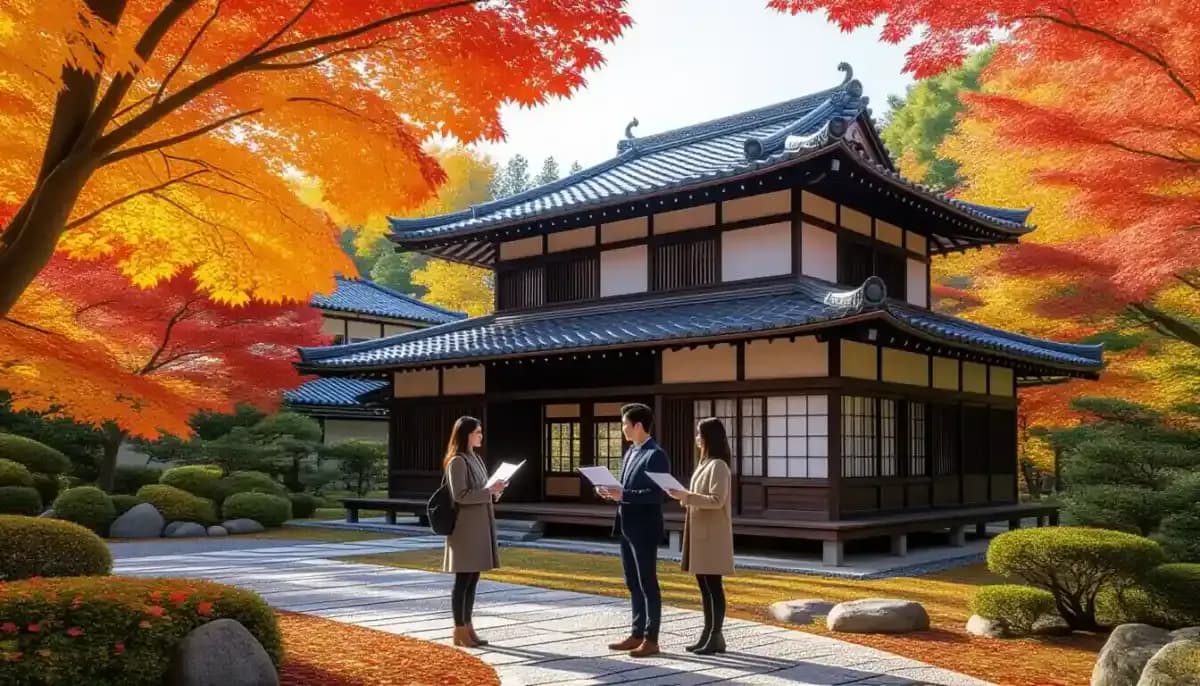
Discover the best time to buy property in Japan by season. Learn when listings peak, when prices are lowest, and how Japan's fiscal calendar shapes the real estate market for foreign buyers in 2025-2026.
Best Time to Buy Property in Japan: Seasonal and Market Guide
Japan's real estate market moves to its own rhythm — shaped by fiscal year cycles, seasonal buyer behavior, and a flood of expiring listings that reset every spring. For foreign buyers, understanding when to enter the market can be just as important as knowing where to buy. This guide breaks down each season's advantages and disadvantages, explains the underlying market forces, and gives you a practical framework for timing your purchase.
Whether you're eyeing a Tokyo apartment, an Osaka townhouse, or a rural akiya bargain, timing your purchase correctly can save you hundreds of thousands of yen — or help you secure a property before it disappears.
Understanding Japan's Real Estate Calendar
Japan's property market is fundamentally driven by the April fiscal year. Companies issue transfer orders (辞令, jirei) in January and February, sending employees scrambling to find housing before the April 1st start date. Schools enroll new students in April as well, which means families with children also cluster their moves around this period.
This creates a predictable surge of demand from January through March — and a corresponding flood of new listings from sellers who know buyers are looking. The cycle repeats every year, making Japan's real estate market more seasonal than most.
Key dates to keep in mind:
- January–February: Transfer orders issued; demand begins rising
- March: Peak listing volume and buyer competition
- April: Fiscal year begins; buyers settle in, market starts cooling
- September–October: Secondary peak as companies issue mid-year transfer orders
- December–January: Year-end financial deadlines; motivated sellers emerge
For more on how Japan's property market works for foreigners, see our Complete Guide to Buying Property in Japan as a Foreigner and the Japan Real Estate Market Overview and Trends.
Spring (March–May): High Inventory, High Competition
Spring is Japan's busiest property season by far. Listings surge in February and March as sellers target April movers. You'll find the widest selection of properties available — but you'll also compete with the most buyers.
Advantages of buying in spring:
- Maximum inventory across all property types
- Agents are highly motivated and responsive
- New-build developments often release units in Q1
- Easier to compare multiple properties quickly
Disadvantages of buying in spring:
- Prices are at their highest; sellers have leverage
- Popular properties in urban areas sell within 30–60 days
- Bidding situations are more common in Tokyo and Osaka
- Agents are stretched thin; service quality may vary
For foreign buyers navigating the legal and logistical complexity of a purchase, spring's speed can be a disadvantage. The Step-by-Step Home Buying Process in Japan for Foreigners typically takes 1–3 months, meaning a February start could close just in time for April — but leaves little room for deliberation.
Best suited for: Buyers who are ready to move quickly, have financing pre-arranged, and are targeting high-demand urban areas where waiting means losing options.
Summer (June–August): The Buyer's Hidden Window
Summer is often overlooked, but it represents one of the best opportunities for foreign buyers who aren't constrained by Japan's April calendar. The heat and humidity deter casual shoppers, competition drops significantly, and sellers with unsold spring listings become negotiable.
Advantages of buying in summer:
- Reduced buyer competition means more time to deliberate
- Spring listings that failed to sell often carry price reductions of 3–8%
- Sellers are more willing to negotiate on terms, not just price
- Agents have capacity to give you thorough attention
Disadvantages of buying in summer:
- New inventory is at its lowest point of the year
- Akiya (vacant home) listings are fewer in rural areas
- Property viewings in older buildings can reveal humidity and mold issues (actually useful information)
- Financing timelines can slip due to summer office closures (Obon holiday in mid-August)
Summer is an especially strong window for buyers targeting existing properties in urban areas. A well-priced spring listing that sat on the market for 90 days is now a motivated seller. For guidance on what costs to expect, see our Hidden Costs and Fees When Buying Property in Japan.
Best suited for: Patient buyers willing to work with limited inventory in exchange for genuine negotiating leverage.
Autumn (September–November): The Optimal Buying Season
Most experienced Japan property advisors point to autumn as the single best season for buyers — particularly for rural properties, akiya, and regional cities. Here's why:
- Year-end financial pressure: Sellers who list in September are often motivated by year-end accounting deadlines. A property unsold by December may sit on their books as a tax liability, creating real urgency to close.
- Akiya bank refresh: Japan's network of akiya (vacant home) banks — government-run platforms that connect buyers with abandoned rural properties — tends to see a significant influx of new listings in September and October as municipalities process applications from the spring cycle.
- Pleasant viewing conditions: Autumn weather makes property inspections easier and more enjoyable, particularly for rural and mountainous areas.
- Secondary transfer cycle: Companies issue a smaller wave of transfer orders in September for October and November moves, adding a burst of motivated buyers and sellers without the full chaos of spring.
Advantages of buying in autumn:
- Motivated sellers with year-end pressure
- Strong akiya and rural listing activity
- Good weather for viewing and due diligence
- Less competition than spring but more inventory than summer
Disadvantages of buying in autumn:
- Window is narrower — hesitate past November and you're in winter
- Some sellers hold listings until the spring surge, so fewer properties than spring
For foreign buyers researching rural and regional options, our Rural and Countryside Properties in Japan for Foreigners guide explains the akiya process in detail.
Best suited for: Buyers targeting rural properties, akiya homes, or regional cities like Fukuoka, Sendai, or Hiroshima.
Winter (December–February): Maximum Discounts, Minimum Competition
Winter offers the sharpest discounts of any season. Sellers who haven't closed a deal by December face their strongest financial pressure to accept lower offers. New listings are scarce, but motivated sellers are highly negotiable.
Advantages of buying in winter:
- Deepest price reductions — motivated sellers at their peak
- Virtually no competition from other buyers
- Strong negotiating position on closing costs and terms
Disadvantages of buying in winter:
- Fewest listings of any season
- In northern regions (Hokkaido, Tohoku), property viewings are challenging in snow
- Many transactions pause during the new year holiday week (late December to early January)
- Banks and legal offices are slower; closing timelines can stretch
A note for buyers watching interest rates: the Bank of Japan has been gradually raising rates, with the benchmark at 0.75% as of early 2026 and Flat 35 fixed mortgages around 2.08%. Further hikes are expected. Winter buyers who lock in financing now may do better than those waiting until spring's next surge. See our Mortgages and Home Loans for Foreigners in Japan for current lending details.
Best suited for: Value-focused buyers who have flexibility on move-in timing and are targeting specific properties that have been sitting on the market.
Japan Real Estate Market Conditions in 2025–2026
| Metric | 2025 Data |
|---|---|
| National land price change (YoY) | +2.7% |
| Residential land change | +2.1% |
| Commercial land change | +3.9% |
| Three major metros (Tokyo/Osaka/Nagoya) | +4.3% |
| Regional cities (Sapporo/Sendai/Hiroshima/Fukuoka) | +5.8% |
| Tokyo 23-ward new condo average price | ~¥133M (~$870K USD) |
| Existing condo annual price growth | 6–8% |
| Vacant homes (akiya) nationwide | ~9 million |
| Foreign real estate investment (2024) | ¥2.3T (~$15.7B USD) |
| Foreign buyer share of transactions | ~27% |
| Flat 35 mortgage rate (fixed) | ~2.08% |
Data sources: Ministry of Land, Infrastructure, Transport and Tourism (MLIT), Bank of Japan, Plaza Homes Japan Real Estate Market 2025–2026.
The headline story is clear: Japan's property market is rising, urban markets are competitive, and foreign buyer participation is at an all-time high. Tokyo has ranked as the #1 city for cross-border real estate investment for seven consecutive years. Waiting for a market correction in urban areas is increasingly risky — though rural and regional markets remain significantly more affordable and less competitive.
For a detailed breakdown of where the growth is happening, see our Japan Real Estate Market Overview and Trends.
Timing Factors Specific to Foreign Buyers
Foreign buyers face some timing considerations that Japanese nationals don't:
Visa and residency status affects financing options. Non-permanent residents typically need 30–50% down payments versus 0–20% for permanent residents. If you're approaching the 5-year threshold for permanent residency eligibility, waiting could significantly improve your financing terms. Our Visa and Residency Considerations for Property Buyers guide covers this in detail.
Currency exchange rates add another timing dimension. A 5% move in USD/JPY, EUR/JPY, or AUD/JPY can represent millions of yen on a typical property purchase — often more than any seasonal discount. Monitor exchange rates alongside property prices.
The foreign buyer reporting requirement (effective April 2026) introduces new administrative steps for non-Japanese purchasers. Buyers closing before April 2026 will be subject to the existing framework; those closing after will need to comply with the new reporting process. This is a paperwork change, not a restriction on purchasing — but factor the administrative timeline into your planning.
Transaction costs are consistent year-round: budget 6–10% of property value for agent commissions, acquisition tax, registration and license taxes, judicial scrivener fees, and property inspection costs. On a ¥50 million property, that's ¥3–5 million in closing costs regardless of season.
For further guidance, Living in Nihon's mortgage and buying guide and Gaijin Buy House's complete foreigner property guide are both excellent resources for understanding the full purchase process as a foreign buyer. For Work in Japan's housing guide is also useful for understanding the practical living and infrastructure context.
Practical Buying Strategy by Profile
If you want the best price: Target autumn (October–November) or winter (December–January). Focus on properties that have been listed for 60+ days. Use the year-end financial pressure to negotiate hard on price and terms.
If you want the most selection: Buy in spring (February–March), accept that you'll pay more, and have financing arranged in advance. Be ready to move within a week on desirable properties.
If you're buying an akiya or rural property: Autumn is ideal, with the secondary window in late spring after the April surge settles. Budget time for the akiya bank process, which can take several months from application to closing.
If you're an investor: Watch regional cities — Fukuoka, Sapporo, Hiroshima, and Sendai are outperforming Tokyo on land price growth (+5.8% vs +4.3%). They also offer more manageable entry prices. See our city-specific guides: Buying Property in Fukuoka and Kyushu, Buying Property in Hokkaido.
If you're buying in Tokyo or Osaka: Accept that timing advantages are compressed. The market moves fast and motivated sellers are rare. Focus more on neighborhood selection and property condition. See our guides: Buying Property in Tokyo as a Foreigner, Buying Property in Osaka as a Foreigner.
For a broader overview of seasonal trends in older and rural properties, Old Houses Japan's seasonal buying guide is worth reading before you start your search.
Conclusion
The best time to buy property in Japan depends on what you're buying and what you're optimizing for. Spring gives you the most options; autumn gives you the best prices on motivated sellers; summer and winter are niche windows for patient, flexible buyers.
For most foreign buyers, autumn (October–November) represents the sweet spot — reasonable inventory, motivated sellers, and a market that hasn't yet entered the spring frenzy. But if you're ready to move and the right property appears in any season, don't let the calendar hold you back. Japan's property market rewards preparation over perfect timing.
Start by understanding your legal rights and financing options, then track the market through a few seasonal cycles before committing. When you're ready, the right season will be whichever one has the property that fits your goals.

Originally from Vietnam, living in Japan for 16+ years. Graduated from Nagoya University, with 11 years of professional experience at Japanese and international companies. Sharing information about buying property in Japan for foreigners.
View Profile →Related Articles

First-Time Home Buyer Guide for Foreigners in Japan
Complete first-time home buyer guide for foreigners in Japan. Learn the step-by-step process, costs (5-7% extra fees), mortgage options without PR, and key mistakes to avoid when buying Japanese property.
Read more →
Japan Property Viewing Tips for Foreign Buyers
Complete guide to property viewings (naiken) in Japan for foreign buyers. Learn what to check, bring, and ask — including earthquake safety, home inspections, and neighborhood tips.
Read more →
How to Search for Property Online in Japan as a Foreigner
Learn how to search for property online in Japan as a foreigner. Discover the best Japanese real estate portals, English-friendly websites, and expert tips for finding your ideal home from anywhere in the world.
Read more →
Japan Real Estate Terminology Glossary for Foreign Buyers
Complete glossary of Japanese real estate terms for foreign buyers. Covers area measurements, legal documents, zoning laws, financial terms, and key 2025-2026 regulatory changes — with Japanese, romaji, and English explanations.
Read more →
Property Handover and Settlement Process in Japan
A complete guide to Japan's property settlement process for foreign buyers. Learn what happens on closing day, required documents, costs, and post-settlement obligations.
Read more →
Deposit and Earnest Money in Japan Real Estate Transactions
Learn everything about earnest money (手付金 tetsukekin) in Japan real estate: how much to pay, what happens if the deal falls through, and tips for foreign buyers navigating the deposit system.
Read more →