
Japan Property Buying Checklist for Foreign Buyers

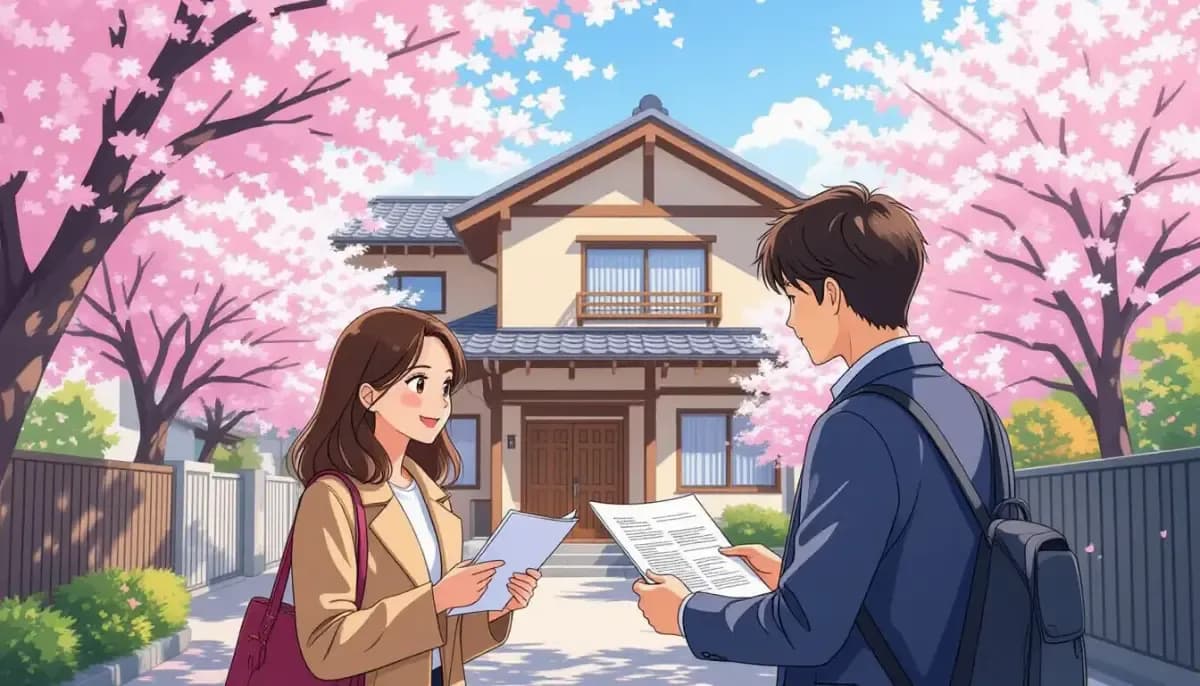
Complete property buying checklist for foreigners in Japan. Step-by-step guide covering documents, costs, viewing tips, contracts, and settlement — everything you need to buy property in Japan.
Japan Property Buying Checklist for Foreign Buyers
Buying property in Japan as a foreigner can feel overwhelming — unfamiliar procedures, Japanese-language contracts, and a unique legal system all present challenges. But with the right preparation and a clear checklist, the process is entirely manageable. This guide provides a comprehensive, step-by-step checklist to help foreign buyers navigate every stage of purchasing property in Japan, from initial research to final settlement.
The good news: Japan imposes no nationality-based restrictions on real estate ownership. Foreigners have the same legal rights as Japanese citizens to purchase land and buildings. You don't even need a visa or residency status — though these factors affect financing options.
For a comprehensive overview of the entire process, see our Step-by-Step Home Buying Process in Japan for Foreigners.
Pre-Purchase Checklist: Before You Start Searching
Before you look at a single listing, complete these foundational tasks.
Legal & Eligibility Verification
- [ ] Confirm your legal right to purchase — No restrictions apply for most nationalities; exceptions include agricultural and forest-designated land (requires government approval under the Foreign Exchange and Foreign Trade Act)
- [ ] Check proximity restrictions — Properties near Japan Self-Defense Force or US military bases have purchase restrictions for foreign nationals
- [ ] Understand residency implications — Buying property in Japan does NOT grant a visa; if you plan to live in Japan, arrange a separate Work Visa, Spouse Visa, or Permanent Residency application
- [ ] File Foreign Exchange Act notification — Non-residents must file within 20 days of signing the sales contract or face legal penalties
Budget & Financial Preparation
- [ ] Set a total budget including purchase price + 6–10% for additional costs
- [ ] Arrange financing — Decide between full cash purchase, Japanese mortgage, or overseas financing
- [ ] Check mortgage eligibility — Without permanent residency, most banks require: 30%+ down payment, 3+ years continuous employment in Japan, and a stable income record
- [ ] Budget for recurring costs — Annual property tax (1.4%) + city planning tax (0.3%) of assessed value
- [ ] Plan currency conversion — If paying from overseas, account for exchange rate risk and transfer fees
For detailed information on financing options, read our guide on Mortgages and Home Loans for Foreigners in Japan.
Document Preparation
For residents in Japan:
- [ ] Residence card (zairyu card)
- [ ] Resident registry certificate (juminhyo)
- [ ] Seal certificate (inkan shomeisho) for your registered hanko
For non-residents purchasing from abroad:
- [ ] Valid passport
- [ ] Affidavit obtained from your home country's embassy or consulate
- [ ] Notarized proof of address and signature
Property Search Checklist
Finding the Right Property
- [ ] Define must-haves vs. nice-to-haves — Location, size, type (mansion/ikkodate), age, distance to station
- [ ] Research target neighborhoods — Check hazard maps (flood, landslide, earthquake risk zones) via local government websites
- [ ] Choose a bilingual real estate agent — An agent experienced with foreign buyers is your single most valuable asset; they act as legal intermediary, translator, and advocate
- [ ] Register on major portals — SUUMO, At Home, LIFULL HOME'S, and Real Estate Japan (English-language)
- [ ] Set up property alerts — Good properties move fast; first-come, first-served is the standard in Japan
For expert property viewing advice, check out Gaijin Buy House's Property Viewing Checklist — one of the most detailed guides for foreign buyers.
Property Viewing Checklist
What to Bring to Every Viewing
- [ ] Smartphone (compass app, camera, signal-strength check)
- [ ] Measuring tape (3m+) for room dimensions
- [ ] Notebook and pen
- [ ] Flashlight for inspecting dark closets and crawl spaces
- [ ] Level app to check for floor unevenness
- [ ] Copy of the floor plan (madori) for comparison
Structural & Safety Inspection
- [ ] Confirm seismic standard — Properties built after June 1981 meet "new seismic standards" (耐震基準), designed to withstand magnitude 6–7 earthquakes; pre-1981 buildings require verification of seismic reinforcement work
- [ ] Check for cracks — Wall or foundation cracks larger than 0.3mm are a red flag
- [ ] Inspect for water damage — Check ceilings and walls for stains indicating past leaks
- [ ] Test floor stability — Walk across all rooms; soft spots or creaking may indicate structural issues
- [ ] Check roof condition — Request maintenance history from the agent
Interior Condition Checks
- [ ] Sunlight and ventilation — Note window orientation; south-facing rooms (nanmuki) are most desirable in Japan
- [ ] Kitchen — Test water pressure, drainage, stove type (gas vs. induction), and exhaust fan function
- [ ] Bathrooms — Test shower water pressure, check for mold in grout, confirm toilet flush strength; note that Japanese bathtubs are typically smaller than Western models
- [ ] Air conditioning units — Check manufacturing dates; systems over 10 years old may need immediate replacement
- [ ] Storage inspection — Use a flashlight to check closets for mold or moisture damage
Neighborhood Assessment
- [ ] Walk to the nearest station — The listed "walking time" uses 80m/minute; real time with signals and slopes often differs
- [ ] Visit at different times — Day and night, weekday and weekend, to assess noise, lighting, and safety
- [ ] Check hazard maps — Available at local city/ward offices and online (国土交通省 hazard map portal)
- [ ] Locate essential services — Supermarket, convenience store, clinic (ideally English-speaking), bank, and government office
Making an Offer and Negotiating
- [ ] Submit a Letter of Intent (買付証明書) — This expresses serious interest but is not legally binding
- [ ] Negotiate terms — Price, included fixtures, timeline; allow 1–2 weeks for negotiation
- [ ] Check comparable sales — Ask your agent for recent transaction prices in the area (土地総合情報システム data is publicly available)
- [ ] Understand seller's situation — Motivated sellers (relocation, inheritance, vacant akiya) offer more room for negotiation
Contract and Due Diligence Checklist
This stage is critical. All documents are in Japanese — only the Japanese version has legal effect.
Important Explanation of Important Matters (重要事項説明書)
- [ ] Review with your agent or interpreter — Covers legal status of land, building restrictions, zoning, utilities, and known defects
- [ ] Verify no liens — Confirm the property is free of encumbrances using the register of title (登記簿謄本)
- [ ] Check zoning restrictions — Residential, commercial, or mixed-use zones affect what you can build or modify
- [ ] Confirm building permit compliance — Verify the structure was built per approved permits
- [ ] Review condo specifics (if applicable) — Monthly management fees, reserve fund contributions, upcoming large-scale repair plans
Sales Contract (売買契約書)
- [ ] Arrange interpretation — Have a bilingual interpreter present or review a translated version beforehand
- [ ] Pay earnest money (手付金) — Typically 5–10% of purchase price, paid directly to seller in cash; protects both parties
- [ ] Confirm possession date and conditions
- [ ] Review defect liability clauses — Understand your rights if hidden defects are discovered after purchase
For a detailed breakdown of legal requirements and documentation, see Legal Procedures and Documentation for Japan Property Purchase.
Costs Breakdown: What to Budget
| Cost Item | Amount |
|---|---|
| Real estate agent commission | 3% of price + ¥60,000 + 10% consumption tax |
| Registration tax (land transfer) | 1.5% of assessed value (until March 2026) |
| Registration tax (building transfer) | 2% of assessed value |
| Property acquisition tax | 3–4% of assessed value |
| Document stamps (印紙税) | ¥10,000–¥60,000 |
| Judicial scrivener fees | ¥100,000–¥150,000 |
| Fire/earthquake insurance | Variable (highly recommended) |
| Annual property tax | 1.4% of assessed value |
| Annual city planning tax | 0.3% of assessed value |
| Total closing costs | ~6–10% of purchase price |
See also our guides on Property Taxes and Annual Costs of Owning Property in Japan and Hidden Costs and Fees When Buying Property in Japan for a complete financial picture.
For guidance from expats who've been through the process, Living in Nihon's Property Purchase and Mortgage Guide offers detailed firsthand insights.
Mortgage & Financing Checklist
- [ ] Obtain pre-approval before serious searching — Strengthens your negotiating position significantly
- [ ] Compare lenders — Major banks (MUFG, SMBC, Mizuho), regional banks, Japan Housing Finance Agency (フラット35), and credit unions have different requirements for foreigners
- [ ] Current rates to compare — Variable: ~0.7%; Fixed 35-year: ~1.9% (as of 2026)
- [ ] Prepare income documentation — 3 years of tax returns and pay stubs
- [ ] Arrange funds 2–3 weeks before settlement — International wire transfers can take longer than expected
Settlement Day Checklist
The settlement (決済) typically takes place at the bank or judicial scrivener's office.
- [ ] Transfer remaining funds — Via bank wire, coordinated through the judicial scrivener
- [ ] Sign final documents — All parties present with ID and hanko
- [ ] Receive keys — Confirm all access items: door keys, mailbox key, parking tags
- [ ] Obtain title registration confirmation — Judicial scrivener registers ownership in the Legal Affairs Bureau; receive certified copy within 1–2 weeks
- [ ] Collect property documents — Building permit certificate, inspection certificate, floor plan, manuals for installed equipment
- [ ] File Foreign Exchange Act notification — Non-residents must complete within 20 days of contract signing (Bank of Japan submission)
- [ ] Register a tax representative (if non-resident) — Required for property tax billing
Post-Purchase Checklist
- [ ] Set up utility accounts — Electricity (Tokyo Electric Power / Kansai Electric), gas, water; bring your residence card or passport
- [ ] Register address change — Update your residence card at city/ward office within 14 days
- [ ] Arrange property insurance — Earthquake insurance (地震保険) is separate from standard fire insurance and highly recommended given Japan's seismic activity
- [ ] Meet neighbors / building management — A brief introduction (挨拶) is customary and builds goodwill
- [ ] Understand waste disposal rules — Each municipality has specific rules for sorting and collection days
- [ ] Learn condominium rules (if applicable) — Review the 管理規約 (management rules) and 使用細則 (usage regulations)
For advice on managing property as an overseas owner, see our guide on Property Management for Overseas Owners in Japan.
Key Timeline: From Search to Settlement
| Phase | Duration |
|---|---|
| Property search | 1–3 months |
| Viewing and offer | 1–2 weeks |
| Mortgage pre-approval | 1–2 weeks |
| Contract and due diligence | 1–2 weeks |
| Final loan approval | 2–4 weeks |
| Settlement | 1 day |
| Total | ~60–90 days |
Working with Professionals
Building the right team makes all the difference. For Japan property purchases, you need:
- Bilingual real estate agent — Your primary guide and legal intermediary
- Judicial scrivener (司法書士) — Handles title transfer and registration
- Mortgage loan officer — If financing with a Japanese bank
- Tax advisor — Especially important for non-residents; handles rental income tax, capital gains, and inheritance planning
For more on finding the right professionals, read Working with Japanese Real Estate Agents as a Foreigner.
For housing and daily life setup resources for new residents, For Work in Japan's Housing & Living Guide covers practical post-purchase setup steps.
Additional resources: Housing Japan's Expat Buying Guide and Taxes for Expats: Can Foreigners Buy Property in Japan? provide complementary perspectives on the legal and financial aspects.
Summary: Your Japan Property Buying Checklist
Using this checklist, you can approach Japan's property market with confidence. The key principles to remember:
- Start early on documents — Embassy affidavits take time; gather paperwork 2–3 months before you plan to buy
- Get mortgage pre-approval first — It defines your budget and speeds up the offer stage
- Hire bilingual professionals — The Japanese legal system is document-heavy; having trusted bilingual support is non-negotiable
- Budget 6–10% above the listing price — Closing costs are significant and unavoidable
- Check seismic standards — Always confirm post-1981 construction or verified reinforcement for any property
- File your Foreign Exchange Act notification — Non-residents often miss this critical post-contract obligation
Japan is one of the most foreigner-friendly real estate markets in Asia. With proper preparation and the right team, purchasing your dream property in Japan is well within reach.

Originally from Vietnam, living in Japan for 16+ years. Graduated from Nagoya University, with 11 years of professional experience at Japanese and international companies. Sharing information about buying property in Japan for foreigners.
View Profile →Related Articles

First-Time Home Buyer Guide for Foreigners in Japan
Complete first-time home buyer guide for foreigners in Japan. Learn the step-by-step process, costs (5-7% extra fees), mortgage options without PR, and key mistakes to avoid when buying Japanese property.
Read more →
Japan Property Viewing Tips for Foreign Buyers
Complete guide to property viewings (naiken) in Japan for foreign buyers. Learn what to check, bring, and ask — including earthquake safety, home inspections, and neighborhood tips.
Read more →
How to Search for Property Online in Japan as a Foreigner
Learn how to search for property online in Japan as a foreigner. Discover the best Japanese real estate portals, English-friendly websites, and expert tips for finding your ideal home from anywhere in the world.
Read more →
Japan Real Estate Terminology Glossary for Foreign Buyers
Complete glossary of Japanese real estate terms for foreign buyers. Covers area measurements, legal documents, zoning laws, financial terms, and key 2025-2026 regulatory changes — with Japanese, romaji, and English explanations.
Read more →
Property Handover and Settlement Process in Japan
A complete guide to Japan's property settlement process for foreign buyers. Learn what happens on closing day, required documents, costs, and post-settlement obligations.
Read more →
Deposit and Earnest Money in Japan Real Estate Transactions
Learn everything about earnest money (手付金 tetsukekin) in Japan real estate: how much to pay, what happens if the deal falls through, and tips for foreign buyers navigating the deposit system.
Read more →