
Capital Gains Tax on Property Sales in Japan for Foreigners

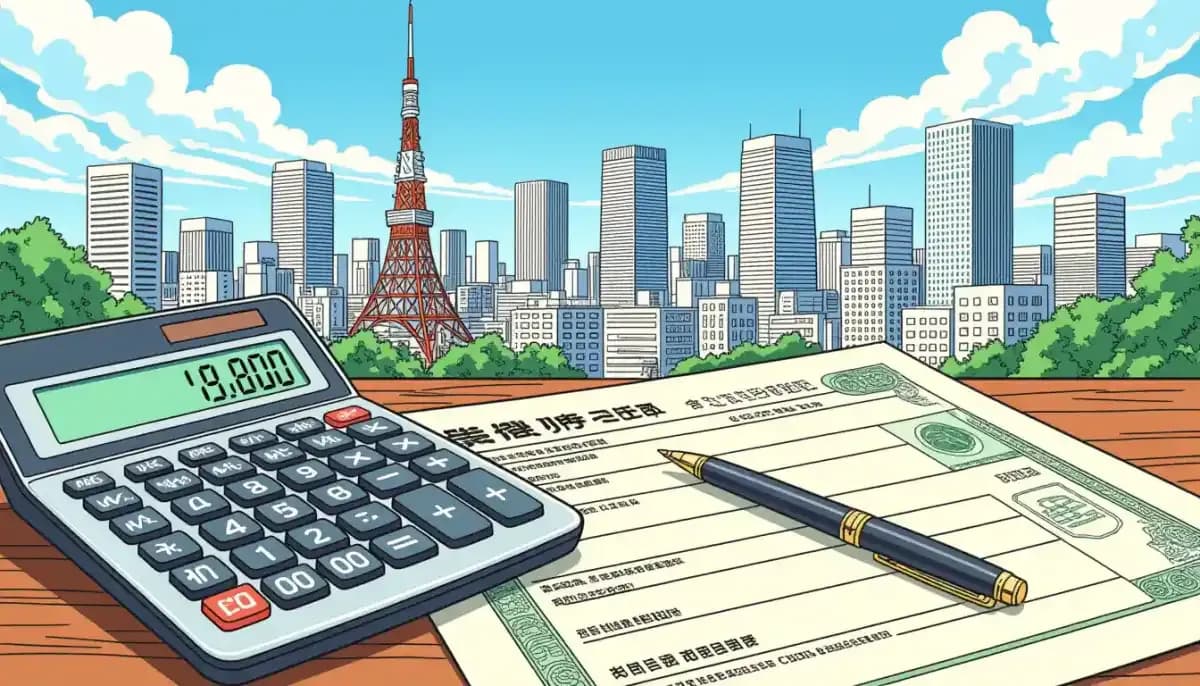
Complete guide to capital gains tax on property sales in Japan for foreigners. Covers tax rates (20.315% vs 39.63%), non-resident withholding tax (10.21%), deductions up to 30M JPY, and filing deadlines.
Capital Gains Tax on Property Sales in Japan for Foreigners
Selling property in Japan as a foreigner comes with a set of tax obligations that can feel overwhelming — especially when navigating an unfamiliar system in a second language. Capital gains tax (CGT) on real estate is one of the most significant costs you'll face when selling, and understanding how it works can save you thousands of dollars and prevent costly compliance mistakes.
Whether you're a long-term resident, a non-resident investor, or an expat who bought a home and is now relocating abroad, this guide explains exactly how Japan calculates and collects capital gains tax on property sales, what deductions are available, and what the rules mean for foreigners specifically.
What Is Capital Gains Tax on Property in Japan?
In Japan, capital gains from the sale of real estate are treated as a separate category of income called joto shotoku (譲渡所得), or "transfer income." Unlike salary income, which is combined with other sources, real estate capital gains are taxed on their own schedule, independently of your regular income.
The tax applies to the net gain from the sale: the difference between the sale price and the cost of acquiring and selling the property. This means you can reduce your taxable gain by subtracting your original purchase price, related purchase costs, and selling expenses.
For foreigners living in Japan, the rules are largely the same as for Japanese nationals. The main differences arise if you are a non-resident at the time of sale — in which case you face additional withholding requirements and different local tax rules.
Capital Gains Tax Rates: Short-Term vs. Long-Term
Japan uses a two-tier system based on how long you have owned the property. The key date is January 1 of the year in which you sell — the ownership period is measured from purchase to that date, not to the actual sale date.
| Holding Period | Classification | National Tax Rate | Local Tax Rate | Total Rate |
|---|---|---|---|---|
| 5 years or less (as of Jan 1) | Short-term (Tankigo) | 30.63% | 9% | 39.63% |
| More than 5 years (as of Jan 1) | Long-term (Chokigo) | 15.315% | 5% | 20.315% |
| 10+ years (primary residence) | Special long-term | 10.21% | 4% | 14.21% (first 60M JPY) |
The national tax rates include a 2.1% surtax for the Great East Japan Earthquake reconstruction fund, which applies through 2037.
Example: If you bought a Tokyo apartment in 2018 and sell it in 2025, you owned it for more than 5 years as of January 1, 2025. Your gain would be taxed at the long-term rate of 20.315%.
How to Calculate Your Taxable Gain
The formula is:
Taxable Capital Gain = Sale Price minus (Acquisition Costs + Selling Expenses)
Acquisition Costs Include:
- Original purchase price
- Real estate agent commission paid at purchase
- Registration and license taxes paid at purchase
- Building renovation costs
- Stamp duty and notarial fees
- Depreciation: The building portion (not land) depreciates over time, reducing your deductible acquisition cost
Selling Expenses Include:
- Real estate agent commission (typically 3% + 60,000 JPY + tax)
- Costs of demolition or property preparation before sale
- Contract stamp duties
Important note on depreciation: Japan requires you to subtract accumulated depreciation from the building's acquisition cost. If the building is old, your deductible purchase price may be significantly lower than what you actually paid, increasing your taxable gain.
For a full breakdown of selling costs, see our guide on Real Estate Agent Selling Commission in Japan.
Special Deductions for Primary Residence Sellers
If the property you are selling was your primary residence (maihome), you may qualify for significant tax benefits:
1. The 30 Million Yen Special Deduction (3,000-man-en Tokubetsu Kojo)
You can deduct up to 30 million JPY from your taxable gain on the sale of your primary residence. This deduction applies regardless of whether your gains are short-term or long-term, and can reduce your tax bill dramatically — or eliminate it entirely if your gain is under 30 million JPY.
Eligibility requirements:
- The property must have been your primary residence at the time of sale, or within the last 3 years
- You cannot use this deduction more than once every 3 years
- You must not have sold another primary residence with this deduction in the past 2 years
2. Reduced Rate for 10-Year Long-Term Residence
If you owned and lived in your home for 10 or more years, you qualify for a reduced tax rate:
- On the first 60 million JPY of gains (after the 30M deduction): 14.21% (10.21% national + 4% local)
- On gains above 60 million JPY: 20.315% (standard long-term rate)
3. Loss Carry-Over for Primary Residence
If you sell your primary residence at a loss, you may be able to deduct that loss against your other income (salary, business income) for up to 3 consecutive years.
For more on deductions available to sellers, see our article on Tax Deductions and Exemptions When Selling Property in Japan.
Non-Resident Rules: What Changes If You Have Left Japan?
This is where things get more complex for foreigners. If you are a non-resident of Japan at the time of sale — meaning you have already left the country and deregistered from your local municipality — several special rules apply.
Withholding Tax (Gensen Choshuzei)
The most significant difference for non-residents is the 10.21% withholding tax deducted directly from the sale proceeds by the buyer. This is not an extra tax — it's a prepayment toward your eventual tax liability. Here's how it works:
- The buyer is legally required to withhold 10.21% of the total sale price (not just the gain) and remit it to the tax office
- The withheld amount is credited against your actual capital gains tax when you file
- If your actual tax is less than what was withheld, you receive a refund
- If your actual tax is more, you owe the difference
Exemption: If the sale price is 100 million JPY or less and the buyer is an individual purchasing the property for their own residence, withholding tax may be waived.
No Local Inhabitant Tax for Non-Residents
If you are not registered as a resident in Japan as of January 1 of the year following the sale, you are exempt from local inhabitant tax (jumin-zei). This reduces your effective tax rate from 20.315% to 15.315% for long-term gains.
Caution: If you were still registered in Japan on January 1 following the year of sale, local inhabitant tax applies — even if you have physically left the country.
Appointing a Tax Agent (Nozei Kanrinin)
Non-residents who sell property in Japan are required to appoint a tax agent — a person or certified tax accountant (zeirishi) based in Japan who can handle tax filings and correspondence with the tax authorities on your behalf. Failure to appoint one is a legal violation.
For practical guidance on selling while living abroad, see our guide on Selling Japan Property from Overseas: Remote Seller Guide.
The Tax Filing Process: Step by Step
Regardless of whether you are a resident or non-resident, you must file a Japanese income tax return (kakutei shinkoku) to report your capital gains. Here is the timeline:
| Step | When | What Happens |
|---|---|---|
| Property sale closes | Date of sale | Buyer withholds 10.21% if non-resident |
| Tax year ends | December 31 | Gain is locked for the year |
| Tax return filing period | Feb 16 to Mar 15 (following year) | File your kakutei shinkoku |
| Payment deadline | March 15 | Pay any remaining tax owed |
| Refund processing | Within 1 to 2 months of filing | Tax office issues refund if over-withheld |
Documents You Will Need:
- Purchase contract (baibai keiyaku) from when you bought the property
- Sale contract from the current transaction
- Receipts for all purchase and sale expenses
- Depreciation schedule (if applicable)
- Certificate of registration (touki jiko shomeisho)
- Prior year tax returns if applicable
Double Taxation: Avoiding Being Taxed Twice
Many foreigners worry about being taxed on the same gain in both Japan and their home country. Japan has tax treaties with over 80 countries, including the United States, United Kingdom, Canada, Australia, and most EU nations.
Under most treaties, Japan has primary taxing rights over gains from real estate located in Japan. Your home country may still tax the gain, but will typically provide a foreign tax credit for the tax paid to Japan, preventing true double taxation.
US citizens should be aware that the US taxes worldwide income of citizens regardless of residence. However, the Japan-US Tax Treaty and the foreign tax credit mechanism generally prevent double taxation on Japanese real estate gains.
For more on tax treaty issues, visit Living in Nihon's complete guide to taxes and tax filing for foreigners in Japan.
Special Situations and Edge Cases
Inherited Property
If you inherited Japanese property and later sell it, your acquisition cost is generally the value at time of inheritance (not the original purchase price). This can significantly affect your taxable gain calculation.
Gifted Property
Property received as a gift uses the donor's original acquisition cost as your basis, which may result in a larger taxable gain when you eventually sell.
Properties Purchased in Foreign Currency
If you originally purchased in a foreign currency, you must convert acquisition costs to yen at the historical exchange rate at time of purchase. This can create complexity if the yen has moved significantly.
Land vs. Building
Capital gains tax applies to both land and buildings, but depreciation only applies to the building portion. Land does not depreciate. When calculating gains, you need to split the original purchase price into land and building components.
Common Mistakes Foreigners Make
- Not tracking acquisition costs: Many sellers cannot find receipts from years ago and lose deductible expenses. Keep all purchase documents permanently.
- Ignoring depreciation: The tax office will apply depreciation to reduce your deductible building cost even if you don't — resulting in a higher taxable gain than expected.
- Missing the January 1 rule: If you sell in January after owning for exactly 5 years from a January purchase, you may still be classified as short-term because the holding period is measured to January 1, not the actual sale date.
- Not appointing a tax agent (non-residents): This is a legal requirement, not optional. Your real estate agent or a tax accountant can recommend qualified agents.
- Assuming the withholding tax is the final tax: The 10.21% withholding is a prepayment. You must still file a return to reconcile your actual liability and potentially claim a refund.
For a comprehensive look at the full selling process, see our Japan Property Selling Process: Step-by-Step Guide for Foreigners.
Working with a Japanese Tax Accountant
Given the complexity of real estate capital gains tax — especially for non-residents — engaging a qualified Japanese tax accountant (zeirishi) is strongly recommended. They can:
- Calculate your exact taxable gain including depreciation
- Identify all available deductions and exemptions
- Handle the tax return filing on your behalf
- Act as your tax agent if you are a non-resident
- Liaise with the tax office if questions arise
Fees typically range from 50,000 to 200,000 JPY depending on complexity. Given the potential tax savings through proper deduction planning, this cost is almost always worthwhile.
For perspective on the broader financial picture of selling, visit For Work in Japan's guide to taxes, social insurance, and pensions for foreigners and the SME Japan overview of capital gains on property.
Summary: Capital Gains Tax Rates at a Glance
| Scenario | Tax Rate | Notes |
|---|---|---|
| Short-term resident (5 years or less) | 39.63% | High rate — plan sale timing carefully |
| Long-term resident (5+ years) | 20.315% | Standard rate for most sellers |
| Primary residence with 30M deduction | 0% to 20.315% | Up to 30M JPY deducted from gain |
| 10-year primary residence (special rate) | 14.21% / 20.315% | Lower rate on first 60M JPY of gain |
| Non-resident, long-term | 15.315% | No local inhabitant tax applies |
| Non-resident, short-term | 30.63% | No local inhabitant tax applies |
Whether you're a resident or a non-resident, planning your sale carefully — including timing, available deductions, and professional tax support — can make a substantial difference in your after-tax proceeds.
For a deeper look at the decision between selling or renting when leaving Japan, see Gaijin Buy House's guide to the sell vs. rent decision for departing foreign owners. For official guidance, refer to the Plaza Homes overview of real estate taxes when selling in Japan.
You may also want to review our guides on Japan property valuation for sellers and the Japan property sale closing and settlement process to get a complete picture of selling property in Japan.
Note: Tax laws change. This article reflects rules in effect as of 2025. Consult a licensed Japanese tax accountant (zeirishi) for advice specific to your situation.

Originally from Vietnam, living in Japan for 16+ years. Graduated from Nagoya University, with 11 years of professional experience at Japanese and international companies. Sharing information about buying property in Japan for foreigners.
View Profile →Related Articles
Common Mistakes When Selling Property in Japan to Avoid
Avoid costly errors when selling property in Japan as a foreigner. Learn about withholding tax traps, capital gains planning, required documents, agent selection, and more in this complete guide.
Read more →
Japan Property Market Conditions and Selling Strategies
Comprehensive guide to Japan property market conditions in 2025 and selling strategies for foreign owners. Covers Tokyo prices, tax implications, remote selling, and marketing channels.
Read more →
Selling Japan Property to Another Foreigner: What to Know
Learn how to sell Japan property to another foreigner: capital gains tax rates, required documents for non-residents, agent commissions, and how to sell from overseas with power of attorney.
Read more →
Japan Property Sale Closing and Settlement Process
A complete guide to the Japan property sale closing and settlement process, including the judicial scrivener role, closing costs, capital gains tax, and special steps for foreign buyers and sellers.
Read more →
Tax Deductions and Exemptions When Selling Property in Japan
Complete guide to tax deductions and exemptions when selling property in Japan. Learn about the ¥30 million primary residence deduction, capital gains tax rates, non-resident withholding rules, and how to maximize your savings as a foreign seller.
Read more →
Japan Property Sale Contract (Baibai Keiyaku) Explained
Learn everything about Japan's Baibai Keiyaku property sale contract: what it covers, the tetsukekin deposit rules, key clauses, the Jūyō Jikō Setsumei process, and special rules for foreign buyers and sellers.
Read more →