
Paying Property Taxes from Overseas: Japan Owner Guide

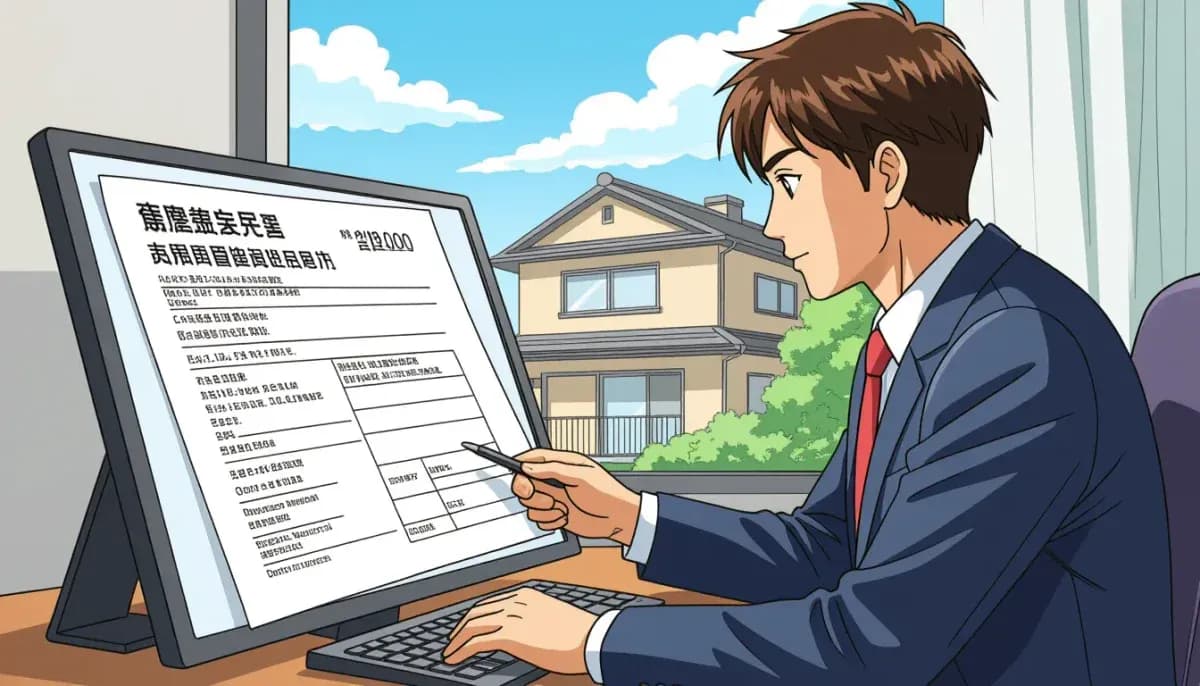
How to pay Japan property taxes as an overseas owner. Learn about fixed asset tax rates, tax representative requirements, rental income withholding, and payment methods from abroad.
Paying Property Taxes from Overseas: Japan Owner Guide
Owning real estate in Japan while living abroad is increasingly common among foreign investors and expats who have relocated after purchasing. Whether you bought a vacation home in Hokkaido, an investment apartment in Tokyo, or a traditional machiya in Kyoto, your tax obligations do not pause just because you have left the country. Japan's property tax system applies to every property owner regardless of nationality or residency — and the local municipalities will expect payment on time.
This guide explains everything overseas owners need to know about Japan's property tax system: which taxes apply, how much you will pay, how to legally manage payments from abroad, and what happens if you miss a deadline. Understanding these obligations before you leave Japan — or before you purchase — will save you from costly surprises later.
!Japan property tax notice document on a desk with a calculator and pen
What Property Taxes Apply in Japan?
Japan's property ownership taxes are levied at the municipal level and fall into two main categories. Both are assessed annually and billed to whoever owns the property as of January 1 each year.
Fixed Asset Tax (固定資産税 — Kotei Shisan-zei)
Fixed asset tax is the primary annual tax on real estate ownership in Japan. The standard rate is 1.4% of the assessed value (公示価格 — the government-set appraisal value, which is typically 60–70% of market value). This tax applies to both land and buildings.
The assessed value is re-evaluated by municipal governments every three years. For residential land, there are reduction provisions: land up to 200 m² used for housing (small residential land) is taxed at just one-sixth of its assessed value for fixed asset tax purposes.
Payments are due in four installments per year, typically in April, July, December, and February (exact months vary by municipality). You will receive a tax notice (納税通知書) in the mail — usually in April or May — outlining your total annual tax and payment deadlines.
City Planning Tax (都市計画税 — Toshi Keikaku-zei)
Properties located within designated urban planning areas are also subject to city planning tax, at up to 0.3% of assessed value annually. This tax is collected together with fixed asset tax in the same payment notices. Not all properties qualify — rural or non-urbanized areas may be exempt, so check with your municipality.
Other Property-Related Taxes
In addition to the two annual taxes above, property owners should be aware of:
- Real Estate Acquisition Tax (不動産取得税): A one-time tax paid within months of purchasing. Rate is 3% for residential property (temporary reduction in effect through March 2027).
- Registration and License Tax (登録免許税): Paid when registering ownership. Rate is 1.5% for land and 0.1–0.3% for buildings (reduced rates in effect).
- Income Tax on Rental Income: If you rent out the property, rental income is subject to Japanese income tax. Non-residents face a withholding tax of 20.42% on gross rental payments.
- Capital Gains Tax: On sale of the property. Short-term ownership (under 5 years): 30.63% total rate. Long-term ownership (over 5 years): 15.315% total rate.
Tax Rates Summary Table
| Tax Type | Rate | Who Pays | When |
|---|---|---|---|
| Fixed Asset Tax | 1.4% of assessed value | All property owners | Annually (4 installments) |
| City Planning Tax | Up to 0.3% of assessed value | Owners in urban areas | Annually (with fixed asset tax) |
| Real Estate Acquisition Tax | 3% (residential, reduced rate) | Buyer | Once, within months of purchase |
| Registration & License Tax | 1.5% land / 0.1-0.3% buildings | Buyer | At time of registration |
| Rental Income Withholding | 20.42% of gross rent | Non-resident landlord | Each rental payment |
| Capital Gains (short-term) | 30.63% | Seller (under 5 years) | At sale |
| Capital Gains (long-term) | 15.315% | Seller (over 5 years) | At sale |
For a comprehensive breakdown of all property ownership costs in Japan, see our guide on Property Taxes and Annual Costs of Owning Property in Japan.
The Tax Representative Requirement: Nōzei Kanrinin
Here is the most important thing every overseas owner must know: if you do not have a registered address in Japan, you are legally required to appoint a tax representative (納税管理人 — Nōzei Kanrinin).
A tax representative is a person or entity in Japan who:
- Receives your tax notices (納税通知書) and other official correspondence
- Pays your property taxes on your behalf using funds you provide
- Files any required tax returns (such as income tax on rental earnings)
- Acts as your legal point of contact with Japanese tax authorities
Without a tax representative, the municipal government has no way to reach you, and notices sent to your last known address may go unpaid — leading to penalties, interest charges, and eventually a tax lien on your property.
Who Can Be Your Tax Representative?
Anyone with a valid residential address in Japan can serve as your tax representative. There are no restrictions on their qualifications unless your tax affairs are complex. Common choices include:
- A trusted friend or family member still living in Japan
- A Japanese property management company handling your rental
- A licensed accountant (税理士 — zeirishi) or administrative scrivener (行政書士)
- A specialized non-resident tax management service
For straightforward fixed asset tax payments, a friend or family member works perfectly and costs nothing. For complex situations involving rental income, annual tax returns, or multiple properties, a professional is strongly recommended.
How to Appoint a Tax Representative
The process is straightforward but must be completed formally:
- Choose your representative and confirm they agree to the role
- Complete the appointment form (納税管理人の届出書 — Notification Form of Appointment of Tax Agent). The National Tax Agency provides this form, and your municipality will have its own version for local taxes.
- Submit the form to the local tax office (市区町村役所) with jurisdiction over your property. This is ideally done before you leave Japan. If you have already left, your representative can submit on your behalf.
- Notify the tax office if your representative changes or if you return to Japan.
Professional services typically charge ¥5,000–¥10,000 per month for tax representative services. Specialized non-resident management services may bundle this with mail handling and tax return filing.
For detailed guidance on this process, see Japan Tax Representative Form + How to Appoint a Tax Agent.
!Overseas Japan property owner reviewing tax documents on a laptop with Japanese yen notes nearby
How to Pay Property Taxes from Overseas
Once your tax representative is in place, the practical mechanics of payment become manageable. Here is how the process typically works:
Step 1: Receive the Tax Notice
In April or May each year, your municipality sends a fixed asset tax notice to your representative's address. The notice includes your total annual tax amount broken into up to four installment deadlines.
Step 2: Fund Your Representative
You need to transfer money to your representative so they can make payments on your behalf. The most common methods:
- International wire transfer to a Japanese bank account held by your representative
- Wise (formerly TransferWise) or similar services for lower fees
- PayPal or remittance services if agreed with your representative
Important: While Japan's national tax agency offers some international payment options for national taxes, municipal property taxes generally cannot be paid via international wire transfer directly to the municipality. Payment must occur within Japan — at a bank, Japan Post, or convenience store. This is why your representative handles the final step.
Step 3: Your Representative Pays
With funds available, your representative pays using one of the following methods accepted by most municipalities:
- Over-the-counter at a local bank or Japan Post
- At a convenience store (コンビニ) using the barcode on the payment slip
- Online via credit card or eLTAX (electronic local tax system) — available in many municipalities
- Automatic bank transfer (口座振替) if you set one up before leaving Japan
Step 4: Confirm Receipt
Ask your representative to send you proof of payment and keep records for your own files. This matters especially if you ever sell the property, as you will need to confirm all taxes were paid up to date.
Managing Rental Income Taxes from Overseas
If your Japan property generates rental income while you are overseas, additional tax rules apply. Understanding these can save you significant money.
Withholding Tax by the Tenant
When a non-resident landlord rents to a Japanese tenant or company, the tenant is legally required to withhold 20.42% of each rent payment and remit it to the Japan Tax Authority on your behalf. This applies to most commercial leases and individual rentals exceeding certain thresholds.
This withholding is an advance payment toward your income tax liability. At year end, you file an income tax return (through your tax representative) to calculate your actual tax, claim allowable expenses, and receive a refund if you were over-withheld.
Allowable Deductions for Rental Income
As a non-resident landlord, you may deduct legitimate expenses from your rental income before calculating tax:
- Property management fees
- Repairs and maintenance
- Depreciation (建物の減価償却)
- Property taxes paid (fixed asset tax and city planning tax)
- Loan interest (if applicable)
- Vacancy periods and advertising costs
Keeping thorough records of all expenses is essential. Your tax representative or accountant will need these when filing your annual return.
Tax Treaties May Reduce Your Tax Burden
Japan has concluded income tax treaties with over 70 countries. These treaties can significantly affect your obligations:
- Japan–US Tax Treaty: US residents may be exempt from Japanese withholding tax on rental income under certain conditions.
- Japan–UK Tax Treaty, Japan–Australia Tax Treaty: Similarly offer potential reductions.
Check whether your home country has a tax treaty with Japan, and discuss implications with a bilingual tax professional. For comprehensive tax information, Living in Nihon's Tax Filing Guide for Foreigners is a useful starting point.
Late Payment Penalties and Consequences
Japanese municipalities take tax delinquency seriously. Missing a payment deadline triggers escalating consequences:
| Delay | Penalty Rate |
|---|---|
| Up to 1 month late | 2.4% per year (prorated daily) |
| Over 1 month late | 8.7% per year (prorated daily) |
| Extended non-payment | Tax lien on property (差押え) |
| Severe delinquency | Forced sale of property |
A tax lien (差押え) is a legal claim registered against your property that prevents you from selling or mortgaging it until the debt is paid. This can severely complicate any plans to sell the property later.
The best protection against penalties is simple: appoint a reliable tax representative before you leave Japan, fund their account in advance of each payment period, and confirm payments are made on time.
Selling or Renting Your Property Before Leaving
If you are still deciding whether to keep your Japan property after relocating overseas, consider how ownership status affects your taxes. Our guide on selling vs renting your property when leaving Japan covers this in depth.
Key points to consider:
- Selling while still resident in Japan means you may qualify for the ¥30 million capital gains exemption (for primary residences), substantially reducing tax.
- Renting out while overseas generates ongoing income but adds ongoing tax compliance obligations.
- Holding vacant means you pay property taxes with no rental income to offset costs, and vacant properties in Japan may attract additional scrutiny or akiya (空き家) regulations.
For insights into the broader overseas owner experience and options available, Gaijin Buy House's overview of selling vs. renting before departure is an excellent resource.
Practical Checklist for Overseas Japan Property Owners
Before leaving Japan (or as soon as possible if you are already abroad), work through this checklist:
- [ ] Appoint a tax representative (nōzei kanrinin) and submit the notification form
- [ ] Update your address with your municipality to your representative's address
- [ ] Set up funding arrangements — decide how you will transfer money to your representative
- [ ] Collect last year's tax notice to understand your annual tax amount
- [ ] Check for rental tax obligations if you are letting the property
- [ ] Verify tax treaty applicability with a tax professional in your home country
- [ ] Schedule reminders for each payment installment (typically April, July, December, February)
- [ ] Keep digital copies of all property documents, tax receipts, and correspondence
Finding Professional Help
Given the complexity of cross-border tax compliance, most overseas Japan property owners benefit from professional assistance. Look for:
- Bilingual tax accountants (税理士) with experience in non-resident property taxation
- Property management companies that include tax representative services in their fee
- Specialized expat tax services that combine mail handling, tax representation, and return filing
For Work in Japan's guide on taxes and social insurance for foreigners provides a broader context for understanding Japan's tax system as a foreign national.
When interviewing potential representatives or accountants, ask:
- Do you handle fixed asset tax payments for non-residents?
- Can you file income tax returns on my behalf?
- What documentation do you need from me each year?
- How will you communicate with me from overseas?
For additional resources on the property buying process and ongoing ownership costs, see our Step-by-Step Home Buying Process in Japan for Foreigners and Hidden Costs and Fees When Buying Property in Japan guides.
Summary
Paying property taxes from overseas in Japan is entirely manageable with the right systems in place. The fixed asset tax (1.4% of assessed value annually) and city planning tax (up to 0.3%) are modest costs compared to many countries, but compliance requires an appointed tax representative since international direct payment to municipalities is not supported. Rental income adds withholding tax obligations and annual return filing, though tax treaties may reduce your burden depending on your home country. Set up your representative before you leave, fund them reliably each year, and keep documentation — your Japan property investment will continue smoothly from wherever in the world you call home.
For comprehensive guidance on all aspects of buying and owning property in Japan as a foreigner, visit our Complete Guide to Buying Property in Japan.

Originally from Vietnam, living in Japan for 16+ years. Graduated from Nagoya University, with 11 years of professional experience at Japanese and international companies. Sharing information about buying property in Japan for foreigners.
View Profile →Related Articles

Common Challenges and Solutions for Overseas Japan Property Owners
Discover the 7 biggest challenges overseas Japan property owners face — from withholding tax to remote management — and practical solutions to overcome each one.
Read more →
Property Management Technology and Tools for Japan Owners
Complete guide to property management technology tools for overseas Japan property owners — PMS software, owner portals, smart home tech, financial tools, and rental platforms to manage your Japanese property from abroad.
Read more →
Power of Attorney for Japan Property Management
Complete guide to power of attorney for Japan property management as a foreigner. Learn how to create a valid POA, choose a representative, meet tax obligations, and manage your property remotely.
Read more →
Banking Requirements for Overseas Japan Property Owners
Complete guide to Japanese banking requirements for overseas property owners: non-resident accounts, mortgages, fund transfers, tax obligations, and practical strategies for managing Japan real estate remotely.
Read more →
Seasonal Property Care Guide for Overseas Owners in Japan
Complete seasonal property care guide for overseas owners in Japan. Spring inspections, rainy season mold prevention, typhoon prep, winter pipe protection, and year-round maintenance costs — everything you need to manage your Japan property remotely.
Read more →
Property Maintenance and Remote Monitoring in Japan
Complete guide to property maintenance and remote monitoring in Japan for foreign owners. Learn about smart home tech, management companies, caretaker services, and legal requirements for overseas property owners.
Read more →