
Japan Property Tax Payment Schedule and Methods

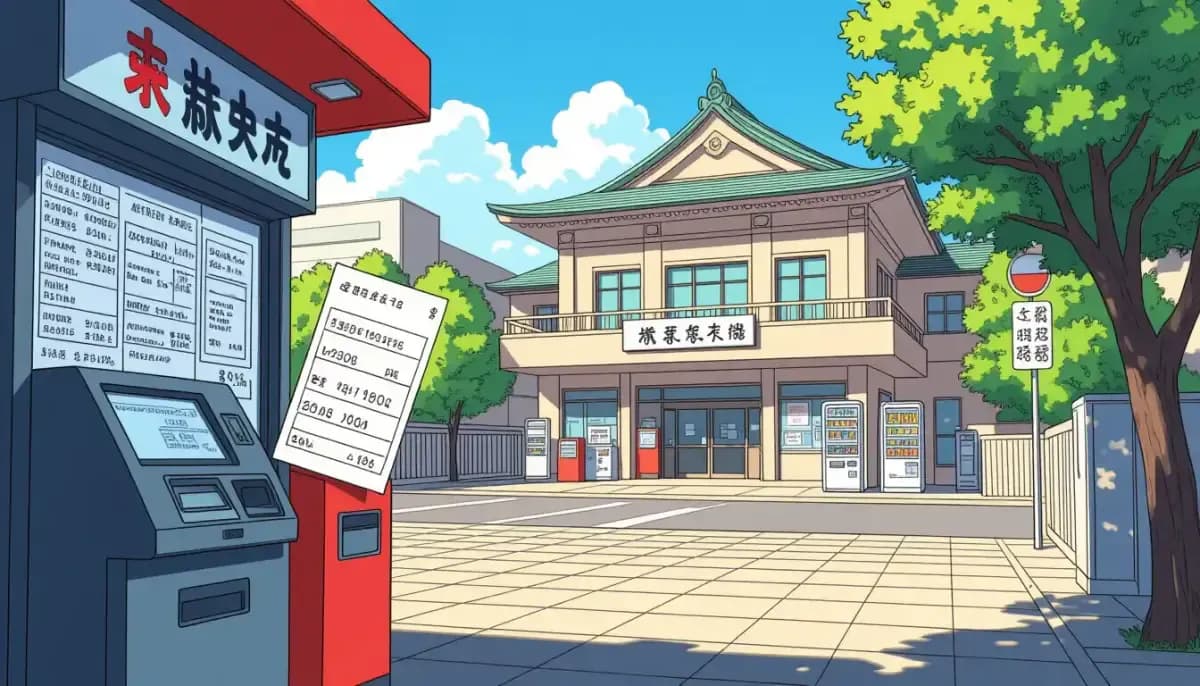
Learn Japan's property tax payment schedule, accepted payment methods (convenience stores, banks, online), and how foreign non-resident owners can manage tax obligations with a nouzeikanrinin tax agent.
Japan Property Tax Payment Schedule and Methods: A Complete Guide for Foreign Owners
Owning property in Japan means you'll encounter one of the most orderly — yet occasionally confusing — tax systems in the world. Whether you're a resident expat or an overseas investor, understanding Japan's property tax payment schedule and accepted payment methods is essential to avoid penalties and keep your investment running smoothly. This guide explains everything you need to know about fixed asset tax (固定資産税, koteishisanzei) and city planning tax (都市計画税, toshi-keikakuzei): when you pay, how you pay, and what happens if you miss a deadline.
What Are Japan's Property Taxes?
Japan imposes two recurring annual taxes on property owners:
- Fixed Asset Tax (固定資産税 / koteishisanzei): The primary property tax, levied at 1.4% of the property's assessed value (公示価格, koujishikaku).
- City Planning Tax (都市計画税 / toshi-keikakuzei): An additional tax of up to 0.3% of assessed value, applied only to properties within designated urban planning zones (most cities and towns qualify).
The assessed value is determined by your local municipal government and is typically 60–70% of the market value for land, and depreciated over time for buildings. This means your tax bill is considerably lower than you might expect based on the purchase price alone. The assessment is revisited every three years.
Key example: A central Tokyo apartment with a market value of ¥30,000,000 might carry an annual property tax bill of approximately ¥210,000. A suburban house worth ¥40,000,000 might owe around ¥150,000/year. An investment studio at ¥20,000,000 might owe roughly ¥110,000/year.
For a broader overview of all the ongoing costs of owning property in Japan, see our guide on Property Taxes and Annual Costs of Owning Property in Japan.
The Property Tax Assessment and Billing Cycle
Assessment Date: January 1
Japan's property tax system uses a January 1 assessment date each year. Whoever is registered as the property owner in the legal registry on January 1 is responsible for the full year's tax, regardless of whether they sell the property later that year. This is an important point for buyers and sellers to negotiate at the time of purchase — it's common to prorate the tax between buyer and seller at closing.
When Do Bills Arrive?
Municipal governments mail property tax bills between April and June each year. The exact timing varies by city:
- Tokyo: Bills typically arrive in May–June
- Osaka: Bills arrive in April–May
- Sapporo: Bills arrive in April–May
The bill (nouzei tsuchisho, 納税通知書) will include four payment slips, one for each quarterly installment. It also states a lump-sum amount you can pay all at once by the first due date if you prefer.
For more about the legal and procedural aspects of owning property as a foreigner, visit Living in Nihon for expat lifestyle resources, and For Work in Japan for guidance on financial obligations in Japan.
Japan Property Tax Payment Schedule
Property taxes are paid in four quarterly installments throughout the fiscal year. The exact due dates vary by municipality, but here are typical schedules for major cities:
| City | 1st Installment | 2nd Installment | 3rd Installment | 4th Installment |
|---|---|---|---|---|
| Tokyo | Late June | Late September | Late December | Late February |
| Osaka | April/May | July | December | February |
| Sapporo | May 1 | July 31 | October 2 | January 4 |
| Nagoya | April | July | September | December |
| Fukuoka | April/May | July | September | January |
Note: These are approximate schedules. Your actual due dates will be printed clearly on each payment slip in your tax notice.
Lump-Sum Payment Option
You don't have to pay in four installments. If you prefer simplicity, you can pay the full annual amount as a lump sum before the first installment deadline. Many property managers and accountants recommend this approach for overseas investors, as it eliminates the risk of missing subsequent deadlines.
How to Pay Japan Property Tax: Accepted Methods
Japan offers several convenient payment channels. Understanding these options is especially important for foreign owners who may not have easy access to Japanese banking infrastructure.
1. Convenience Stores (コンビニ払い)
This is one of the most popular payment methods in Japan. Each payment slip in your tax notice includes a barcode. You simply bring the slip to any major convenience store — FamilyMart, Lawson, 7-Eleven, Ministop — and the cashier scans the barcode and accepts your cash payment.
Pros: No account needed, available 24/7, easy and fast Cons: Cash only (no credit cards at most), limited to bills under ¥300,000 per slip in most cases
2. Bank or Financial Institution (銀行振込)
You can pay at any bank branch or financial institution designated in your tax notice. Present the payment slip at the counter or use an ATM with payment functionality.
Pros: Widely available, can often pay multiple installments at once Cons: Limited to banking hours, may require having a Japanese bank account
3. Post Office (郵便局)
Japan Post (ゆうちょ銀行) accepts property tax payments at any post office branch. Present your payment slip and pay cash.
Pros: Widespread locations, familiar to many residents Cons: Limited to counter hours
4. City Hall / Tax Office (市役所・区役所)
You can pay directly at your local municipal tax office or city hall. This is useful if you have questions about your assessment or need to update tax agent information.
5. Online Payment and Credit Cards
Some progressive municipalities now offer online payment via credit card or bank transfer. Tokyo's 23 special wards, for example, offer online payment options through designated portals. However, this is not universally available across Japan — check your local municipality's website or tax notice for details.
Important: International wire transfers (overseas remittances) are NOT accepted for property tax payments in Japan. Foreign owners must use one of the domestic payment channels above, typically through an appointed tax agent.
For more information on Japan's property ownership framework for foreigners, see the detailed guide at Gaijin Buy House.
Property Tax Rules for Foreign and Non-Resident Owners
If you live outside Japan, paying property taxes becomes more complex — but it's entirely manageable with the right setup.
The Nouzeikanrinin: Japan's Required Tax Agent
Since April 1, 2024, Japanese law requires all overseas property owners to appoint a nouzeikanrinin (納税管理人), which translates as a "tax administrator" or "tax payment agent." This person or entity:
- Receives your property tax bills on your behalf
- Ensures payments are made on time
- Communicates with the municipal tax office if needed
- Can be a family member, friend residing in Japan, property manager, accounting firm, or professional tax agent service
You must submit a "Notification of Tax Agent" form (nouzeikanrinin todokede, 納税管理人届出書) to your local tax office when you designate an agent. Failure to comply can result in additional penalties.
Options for Managing Payment as an Overseas Owner
| Option | Best For | Cost |
|---|---|---|
| Property management company | Investors with rental properties | Included in management fee |
| Japanese accounting firm | Those needing full tax support | ¥30,000–¥80,000/year |
| Trusted resident (friend/family) | Those with personal contacts in Japan | Usually free |
| Virtual mail + bill-pay service | Hands-off investors | ¥15,000–¥50,000/year |
For a step-by-step understanding of the purchase and post-purchase legal process, see our guide on Legal Procedures and Documentation for Japan Property Purchase.
Reductions and Exemptions: Saving on Your Tax Bill
Japan offers meaningful tax reductions for residential property, especially for small plots of land.
Small Residential Land Reduction (住宅用地の特例)
If your property is used as a residence and the land area is 200 square meters or less (called shōkibo jūtaku-yōchi):
- The assessed value for fixed asset tax purposes is reduced to 1/6 of the standard assessed value
- For city planning tax, the reduction brings it to 1/3 of assessed value
For land areas exceeding 200 square meters, the portion up to 200㎡ receives the 1/6 reduction, while the remainder receives a 1/3 reduction for fixed asset tax.
Example: A 150㎡ lot with an assessed land value of ¥6,000,000 would have its taxable base reduced to ¥1,000,000, making the fixed asset tax just ¥14,000 instead of ¥84,000.
New Construction Reductions
Newly built residential buildings also qualify for temporary reductions:
- Detached houses: Fixed asset tax on the building is halved for 3 years from the year after completion
- Condominium units: Tax is halved for 5 years from the year after completion
For more detail on the full cost picture when buying, read our guide on Hidden Costs and Fees When Buying Property in Japan.
Late Payment Penalties
Missing a property tax deadline in Japan triggers automatic interest penalties:
- Within 1 month of the deadline: 2.4% annualized (pro-rated daily)
- More than 1 month late: 8.7% per year (pro-rated daily)
- Penalty waived if the total overdue amount is under ¥1,000
While these rates are relatively modest, repeated non-payment can result in property seizure and forced auction by the municipal government — the ultimate enforcement mechanism in Japan's otherwise orderly system.
To avoid penalties, consider setting up automatic bank debit (furikomi, 振込) if your municipality offers it, or instruct your tax agent to make payments on your behalf as soon as bills arrive.
For details about financial options available to foreign property owners in Japan, including mortgages and banking, see our guide on Mortgages and Home Loans for Foreigners in Japan.
Also check Housing Japan's property tax guide and MailMate's fixed asset tax overview for additional practical tips from Japan-based services.
Property Tax Payment Checklist for Foreign Owners
Use this checklist to make sure you're set up correctly:
- [ ] Confirm who is registered as property owner in the legal registry
- [ ] Appoint a nouzeikanrinin (required if you live outside Japan)
- [ ] Submit the "Notification of Tax Agent" form to your local tax office
- [ ] Ensure your tax agent has your tax notice forwarding address
- [ ] Set a calendar reminder for the first installment deadline each year
- [ ] Choose your preferred payment method (convenience store, bank, or online)
- [ ] Check if your municipality offers lump-sum discount or online payment
- [ ] Verify whether your property qualifies for residential land reductions
- [ ] Keep copies of all payment receipts for your records
Frequently Asked Questions
Q: Do I pay property tax if I rent out my Japan property? A: Yes. Property tax in Japan is an ownership tax, not an occupancy tax. As the registered owner on January 1, you owe the full year's tax regardless of whether the property is rented, vacant, or owner-occupied.
Q: Can I deduct Japan property tax from my home country taxes? A: This depends on your home country's tax laws and any tax treaty with Japan. Many countries allow foreign real estate taxes as a deductible expense. Consult a tax professional familiar with both jurisdictions.
Q: What if I buy or sell mid-year? A: The full-year tax is technically owed by whoever owned the property on January 1. In practice, buyers and sellers typically agree to prorate the year's tax at closing. This is negotiated in the purchase contract and handled by the judicial scrivener (shiho-shoshi).
Q: Is property tax different for land vs. buildings? A: The same 1.4% rate applies to both land and buildings, but the assessed values are calculated differently. Land is assessed based on government-published standard prices; buildings are assessed based on replacement cost minus depreciation.
Conclusion
Japan's property tax system is methodical and predictable once you understand the annual cycle: assessed on January 1, billed in spring, paid in four quarterly installments via convenience store, bank, post office, or city hall. For foreign and non-resident owners, the key step is appointing a nouzeikanrinin — now legally required — to ensure bills are received and paid on time.
By staying organized and choosing the right payment setup, you can manage Japan property taxes efficiently regardless of where in the world you're based. For a complete picture of what it means to own property in Japan as a foreigner, explore our full guide: Complete Guide to Buying Property in Japan as a Foreigner.

Originally from Vietnam, living in Japan for 16+ years. Graduated from Nagoya University, with 11 years of professional experience at Japanese and international companies. Sharing information about buying property in Japan for foreigners.
View Profile →Related Articles
Filing Tax Returns in Japan as a Foreign Property Owner
Complete guide to filing Japanese tax returns as a foreign property owner. Covers residency status, rental income tax rates (20.42%), capital gains, tax representatives, double taxation treaties, and step-by-step filing instructions.
Read more →
Tax Treaty Benefits for Foreign Property Owners in Japan
Learn how Japan's tax treaties protect foreign property owners from double taxation. Covers rental income, capital gains, how to claim treaty benefits, and non-resident rules.
Read more →
Japan Property Depreciation and Tax Benefits for Investors
Learn how Japan's property depreciation system works, how to calculate tax deductions, accelerated depreciation on used buildings, and strategies to maximize your investment returns as a foreign investor in Japan.
Read more →
Gift Tax on Japan Property Transfers Explained
Understand Japan's gift tax (zoyo zei) on property transfers. Covers tax rates up to 55%, key exemptions including the ¥30M housing deduction, visa status rules for expats, and how to file your return.
Read more →
Inheritance Tax on Japan Property for Foreign Nationals
Understand Japan's inheritance tax on property for foreign nationals: rates up to 55%, residency rules, property valuation discounts, exemptions, and estate planning strategies for expats.
Read more →
Capital Gains Tax on Japan Property Sales for Foreign Owners
Complete guide to capital gains tax on Japan property sales for foreign owners. Learn about tax rates (20.315% vs 39.63%), non-resident withholding rules, the ¥30M primary residence exemption, and how to minimize your tax bill.
Read more →